
TL;DR

Get decor and gifts delivered free with Prime
- Fast, free delivery on millions of items
- Prime Video, Amazon Music and more included
- Member-only deals all year
Hang your wall clock so its center is about 57-65 inches from the floor, aligning it with your eye level for easy viewing. Placement depends on room layout, furniture, and your style preferences, creating a balanced, attractive look.
Hang your clock with its center at 57-65 inches from the floor for the best view.
Always measure your eye level first and adjust based on furniture placement.
The size of your clock should match your wall space—oversized for big walls, subtle for smaller spots.
Balance is key: center your clock over furniture or architectural features for harmony.
Modern trends favor bold, oversized, or artistic clocks, placed at eye level for maximum impact.
The Gold Standard: Eye Level Is Your Best Starting Point
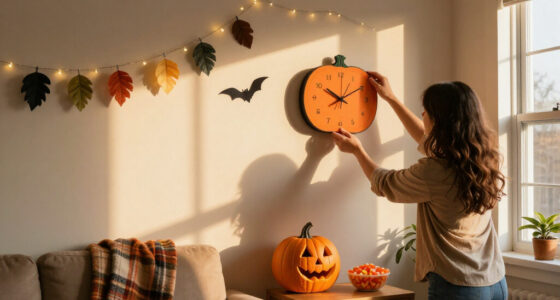
Imagine walking into a room and immediately noticing a clock. If it’s at eye level — around 57 to 65 inches from the floor — you’re more likely to see the time easily without craning your neck. This range is a sweet spot for most adults, aligning with the natural line of sight when standing or sitting.
For example, in a living room with a cozy sofa, hanging a clock at this height means you can glance up without disrupting your view or straining. It’s like a silent conversation between the clock and your eyes, making the space feel effortless and inviting.
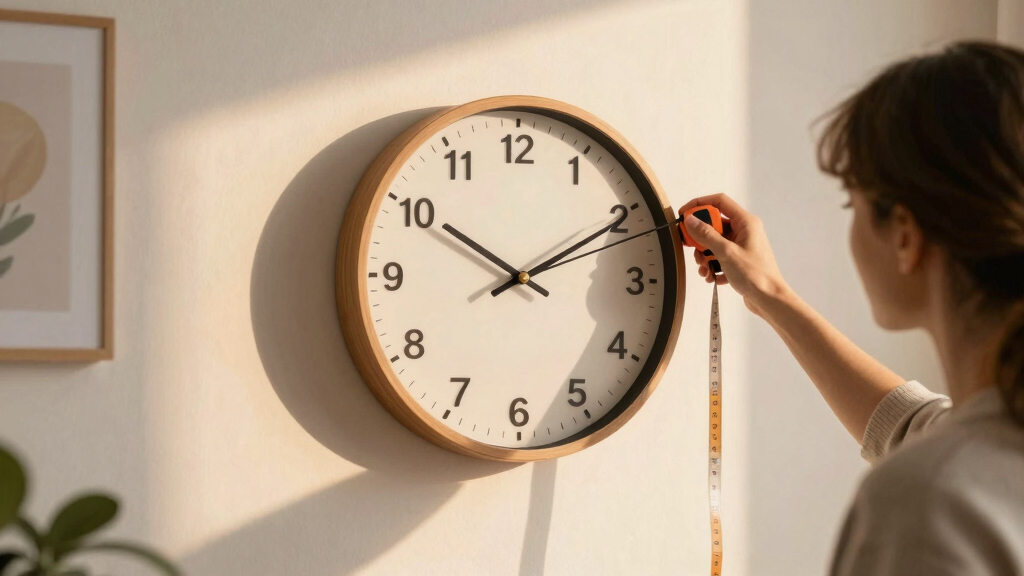
The key is to measure from the floor to the center of the clock. Use a tape measure, and mark lightly with painter’s tape to test different heights before committing. This simple step prevents mistakes and helps you visualize the perfect spot.
Why does this matter? Correct placement ensures the clock is both functional and aesthetically pleasing. If hung too high, it can seem disconnected from your daily activity zones, making it harder to read at a glance. Too low, and it might interfere with furniture or look out of proportion. Striking the right balance enhances the overall harmony of the room, making the clock a natural focal point rather than an afterthought.
wall clock with adjustable mounting kit
As an affiliate, we earn on qualifying purchases.
As an affiliate, we earn on qualifying purchases.
How to Find the Perfect Height for Your Room: 3 Easy Steps
- Measure your eye level: Stand naturally, and measure from the floor to your eyes. For most people, it’s about 60 inches.
- Determine the clock’s center: For a typical wall clock, the center is halfway up. Mark that height on the wall.
- Adjust based on furniture and wall space: If hanging above a sofa, leave 4-8 inches between the furniture’s top and the clock’s bottom. For a fireplace, consider the mantel height and room proportions.
Pro tip: For oversized clocks, you might want to hang them slightly lower to maintain visual balance. Conversely, small clocks can be placed a bit higher if needed.
Understanding these steps isn’t just about measurements — it’s about visual harmony. Properly positioning your clock takes into account the scale of your furniture, the proportions of your wall, and your personal aesthetic. For instance, a clock hung too high above a sofa can seem detached, disrupting the flow of the room. Conversely, a clock placed too low might interfere with furniture or look cramped. The goal is to find a placement that feels natural and balanced, ensuring the clock complements your space rather than competing with it. When you consider these factors, you’re making a conscious choice that enhances both functionality and style, creating a room that feels thoughtfully curated rather than haphazardly decorated.
As an affiliate, we earn on qualifying purchases.
Size Matters: Picking the Right Clock for Your Wall Space
Choosing the right size for your clock is like finding the perfect pair of shoes — it has to fit the space and your style. A common rule: clocks over 24 inches in diameter suit large walls or open spaces. Smaller clocks, under 12 inches, work well on narrow walls or as part of a gallery setup.
For example, in a spacious living room, a 30-inch clock above the fireplace creates an instant focal point, drawing the eye naturally. In a cozy kitchen corner, a 12-inch clock adds charm without overwhelming.
Compare clock sizes and their typical uses:
- Large clocks (over 24 inches): Ideal for expansive walls, making a bold statement and ensuring visibility from across the room. They can serve as a central piece that anchors the space and balances other decor elements.
- Medium clocks (around 16-24 inches): Versatile and suitable for most living areas, providing a good balance between presence and subtlety.
- Small clocks (under 12 inches): Perfect for intimate spaces, shelves, or as part of a gallery wall. They add detail without dominating the wall.
Understanding the implications of size helps you avoid visual clutter or imbalance. A too-large clock in a small space can overpower the room, making it feel cramped and overwhelming. Conversely, a tiny clock on a large wall can look insignificant and fail to serve as a focal point. Choosing a size that complements your wall and furniture scale ensures your clock enhances the room’s aesthetic harmony and maintains a sense of proportion. This careful consideration helps prevent visual clutter and imbalance, making your decor more cohesive and pleasing to the eye.
As an affiliate, we earn on qualifying purchases.
Where to Place Your Clock for Visual Balance and Impact
The best spot? Centered over a piece of furniture or architectural feature. For instance, hanging a clock above a sofa or a mantel creates symmetry and harmony. Leave about 4-8 inches of space—enough to breathe without creating clutter.
In a narrow hallway, hang the clock higher, around 65 inches from the floor, so it’s visible from afar. In open spaces, consider the overall wall proportions: a large clock needs ample room to breathe, while a smaller one can nestle into a corner or shelf.
Why does this matter? Proper placement influences how the clock relates to the rest of the room. When a clock is too high or too low relative to furniture or architectural features, it can create visual dissonance, disrupting the flow and making the space feel unbalanced. Well-placed clocks act as visual anchors, guiding the eye smoothly across the room and creating a sense of cohesion. Proper placement also affects how the clock interacts with other design elements; a well-positioned clock can enhance symmetry, balance, and overall aesthetic appeal. Think of it as anchoring a piece of art — the right placement elevates the entire room’s atmosphere, making your decor feel intentional and polished.
As an affiliate, we earn on qualifying purchases.
Frequently Asked Questions
What is the ideal height to hang a wall clock?
The sweet spot is typically 57 to 65 inches from the floor, aligning with your eye level for easy viewing. Adjust slightly based on your furniture and wall size.Where should I hang a clock in a living room or kitchen?
Center it above a sofa, fireplace, or table, leaving about 4-8 inches of space between the furniture and the clock. Make sure it’s visible from seating areas.How large should my wall clock be?
Choose based on wall size. Over 24 inches works well for large, open walls. Smaller clocks (under 12 inches) suit narrow spaces or as decorative accents.Can I hang a clock higher or lower than the recommended height?
Absolutely. Adjust based on ceiling height, furniture height, and your personal preference. The key is to keep it balanced and easy to see.What are some creative ideas for clock placement?
Try grouping multiple clocks for a gallery wall, or hang a statement piece off-center as a focal point. Play with heights and shapes to match your style.Conclusion
A well-placed clock isn’t just functional — it’s a visual anchor. Think about your eye level, your furniture, and your wall’s rhythm. When you find that sweet spot, your clock becomes part of the room’s story, not just a way to tell time. So, pick your spot, measure twice, hang once — and enjoy the perfect blend of form and function.Halloween Picks
halloween
As an affiliate, we earn on qualifying purchases.