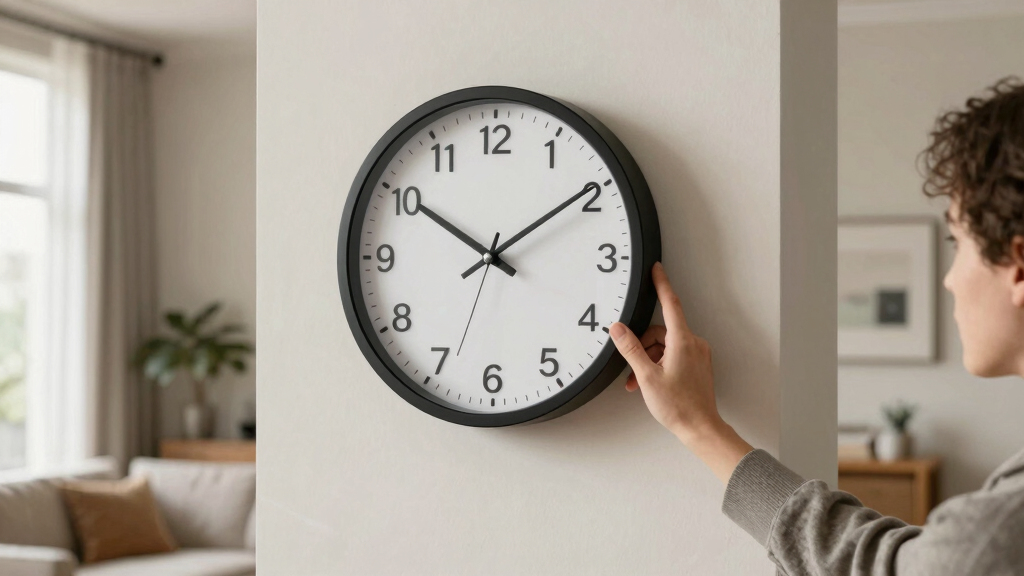

TL;DR

Get decor and gifts delivered free with Prime
- Fast, free delivery on millions of items
- Prime Video, Amazon Music and more included
- Member-only deals all year
Silent sweep refers to mechanical watches with a smooth, quiet second hand, while ticking describes quartz watches with a discrete tick each second. Both serve different tastes—accuracy versus craftsmanship—and understanding these labels helps you choose wisely.
‘Silent sweep’ describes a mechanical movement with a smooth, quiet second hand, not just a marketing term.
Quartz clocks tick loudly with discrete jumps, while mechanical ‘silent sweep’ clocks glide smoothly in near silence.
Sound alone isn’t the best indicator; check labels, reviews, or observe in person to identify movement type.
Mechanical ‘silent sweep’ watches tend to be pricier and require more maintenance but offer elegance and tranquility.
Deciding between ticking and sweeping depends on your preference for noise, accuracy, maintenance, and style.
Movement labels decoded
Silent Sweep vs Ticking Movements: What the Labels Really Mean
Silent sweep usually points to a smooth, quiet mechanical second hand, while ticking describes the discrete once-per-second jump common in quartz movements. The choice is less about “better” and more about what you value: accuracy, ease, craft, quiet, or style.
A smooth sweep signals experience and engineering, not automatically higher precision.
What the words signal
The label is a clue to the movement inside.
“Silent sweep” describes a second hand that appears to glide around the dial, usually because a mechanical movement advances in rapid, small increments. “Ticking” points to quartz timing, where a battery-powered oscillator drives a step motor once per second.
Smooth second hand
The hand moves in small pulses that blur into a calm sweep. The result feels refined in bedrooms, offices, reading rooms, and quiet living spaces.
Discrete jumps
The hand advances once each second. That crisp motion is efficient, affordable, and highly accurate, but it can create an audible tick.
Check more than sound
Labels, reviews, and in-person observation matter because some designs dampen noise, and some “silent” claims are more marketing than movement detail.
Side-by-side
Accuracy, upkeep, sound, and cost pull in different directions.
Ticking is not a quality flaw. Silent sweep is not a guarantee of perfect timekeeping. Each movement type optimizes for a different daily experience.
| Feature | Ticking Quartz | Silent Sweep Mechanical | Buyer Read |
|---|---|---|---|
| Power source | Battery, solar, or kinetic quartz | Mainspring, manual or automatic | ~ Convenience vs ritual |
| Second hand | Discrete one-second jump | Smooth visual glide | ✓ Easy to spot in person |
| Sound profile | Often audible tick | Usually very quiet | ✓ Sweep wins for quiet rooms |
| Accuracy | Very high, often seconds per month | Often seconds per day, varies by quality | ✗ Smooth does not mean more accurate |
| Maintenance | Battery or cell replacement every few years | Regular service about every 3-5 years | ~ Mechanical needs care |
| Typical price | Generally affordable | Often higher due to craftsmanship | ~ Budget changes the answer |
In-person test
Four checks before you buy.
The best test is simple: watch the hand, listen in a quiet space, read the movement label, then confirm with reviews or a salesperson who can identify the mechanism.
Watch
A jump suggests quartz. A glide suggests sweep seconds, often mechanical.
Listen
A clear tick can matter in bedrooms and offices. Near silence suits calm spaces.
Read
Look for “quartz,” “smooth seconds,” “sweep,” or “silent sweep” on the label.
Verify
Use reviews and brand specs to avoid mistaking quiet casing for movement type.
Data view
Which movement fits your priority?
A quiet sweep feels luxurious and tranquil. A ticking quartz movement wins for low maintenance, low cost, and dependable accuracy.
Priority Match
Maintenance Spectrum
Quartz usually asks for a battery or cell replacement every few years. Mechanical sweep movements can last for decades, but they reward owners who budget for periodic servicing and careful handling.
Tradeoff rule
Silent sweep is about atmosphere. Quartz ticking is about practicality.
Choose sweep if the clock’s motion, quietness, and craft are part of the pleasure. Choose quartz if you want an accurate, affordable, low-maintenance timer that simply gets on with the job.
Traceability chain
From label to lived experience.
The movement label connects directly to how the clock looks, sounds, behaves, costs, and ages in your home.
Is a silent sweep clock always silent?
Not always. Most are very quiet, but some can produce a faint hum or mechanical noise depending on design and environment.
Do quartz clocks always tick loudly?
Most produce a distinct tick, though some higher-end or specially damped models are engineered to reduce noise.
Can I upgrade to silent sweep?
Sometimes, but converting a quartz design to mechanical sweep is usually complex and often needs professional help.
Are sweep movements more expensive?
Generally yes, because they are often mechanical and involve more parts, assembly, finishing, and future servicing.
What Does ‘Silent Sweep’ Actually Mean? It’s Not Just Marketing Fluff.
‘Silent sweep’ describes a mechanical movement where the second hand glides smoothly around the dial, almost like a whisper. Unlike the traditional ticking second hand, it moves in tiny, almost invisible steps. Imagine sitting in a cozy living room, and instead of hearing a loud tick every second, you enjoy a serene, almost imperceptible motion. That’s the hallmark of a ‘silent sweep’.
Many high-end mechanical clocks and watches use this feature to create a calming, elegant vibe. They’re crafted with precision, often with high-beat movements that make the hand’s glide appear seamless. This smooth motion isn’t just about aesthetics; it also signifies a well-engineered movement that minimizes vibrations and noise, enhancing the user experience. The choice of a ‘silent sweep’ movement often reflects a desire for tranquility, sophistication, and a touch of craftsmanship that elevates a timepiece beyond mere function.
As an affiliate, we earn on qualifying purchases.
Why Do Some Clocks Tickle While Others Sweep? The Inside Scoop.
| Feature | Ticking Clocks | Sweeping Clocks |
|---|---|---|
| Movement Type | Quartz | Mechanical |
| Second Hand Motion | Discrete, jumps every second | |
| Sound Level | Audible tick, distinct sound | |
| Price Range | Generally affordable | |
| Accuracy | Very high, within seconds per month |
Understanding these distinctions is crucial because the choice impacts your daily experience and the clock’s longevity. Quartz clocks, with their discrete jumps, are often more affordable and require less maintenance, making them practical for everyday use. Mechanical ‘silent sweep’ clocks, on the other hand, are usually handcrafted, with intricate movements that embody craftsmanship and tradition. They tend to be more expensive and sensitive to environmental factors like dust and temperature, which can affect their accuracy over time. Recognizing these tradeoffs helps you decide whether you prioritize the serene, continuous motion and aesthetic appeal of a ‘silent sweep’ or the simplicity, reliability, and affordability of a ticking quartz clock. This choice ultimately reflects your values—whether it’s the artistry of mechanical engineering or the practicality of quartz technology.
As an affiliate, we earn on qualifying purchases.
How to Spot a ‘Silent Sweep’ or ‘Ticking’ Clock in Person
- Check the second hand: Does it jump abruptly or move smoothly? A smooth glide indicates a ‘silent sweep’ movement, often mechanical, while a jump suggests quartz.
- Listen for sound: Is there a noticeable tick or near silence? Mechanical ‘silent sweep’ clocks tend to be quieter, but some may produce faint hums depending on the design and environment.
- Read the label: Look for ‘silent sweep,’ ‘smooth seconds,’ or ‘quartz.’ These labels give a quick indication but aren’t foolproof—testing in person provides the best insight.
- Research the brand: High-end mechanical brands often market ‘silent sweep’ as a feature of their craftsmanship. Cross-reference reviews or ask salespeople about noise levels and movement type.
For example, a friend bought a vintage-looking clock that claimed ‘silent sweep.’ When she placed it on her mantle, the second hand moved smoothly, nearly silent. That’s a classic mechanical feature, not just marketing hype. Paying attention to these details ensures you get a clock that matches your expectations for noise and style, especially in quiet spaces like bedrooms or offices.
As an affiliate, we earn on qualifying purchases.
Are ‘Silent Sweep’ Movements Always Better? The Tradeoffs You Should Know
‘Silent sweep’ often sounds appealing because of its serenity and craftsmanship, but it’s essential to understand the tradeoffs involved. Mechanical movements with ‘silent sweep’ require regular winding or servicing, which can be time-consuming and costly. They are also more delicate, with components that need protection from dust and environmental changes to maintain accuracy and longevity. This means higher maintenance and initial investment, especially for high-quality pieces.
Conversely, quartz ticking clocks are generally more accurate in the long run, as they rely on battery power and are less affected by environmental factors. They also require minimal maintenance—mainly battery replacements—and are more affordable upfront. However, they produce that familiar tick sound, which may be bothersome in quiet settings.
Choosing between these options depends on your priorities. If you value craftsmanship, aesthetic elegance, and a peaceful environment, a ‘silent sweep’ mechanical clock might be worth the extra care and expense. If you prefer reliability, convenience, and lower cost, a quartz clock with a ticking movement might better suit your lifestyle. Recognizing these tradeoffs helps you align your choice with your aesthetic preferences, lifestyle needs, and budget, ensuring satisfaction with your purchase over time.
analog watch with smooth second hand
As an affiliate, we earn on qualifying purchases.
As an affiliate, we earn on qualifying purchases.
Frequently Asked Questions
Is a ‘silent sweep’ clock always silent?
Most mechanical ‘silent sweep’ clocks operate very quietly, often imperceptible to the human ear, but some may produce a faint hum depending on the design and environment.Do quartz clocks always tick loudly?
Yes, most quartz clocks produce a clear tick sound every second because of their discrete movement, though some high-end models are engineered to minimize noise.Can I upgrade my existing clock to a silent sweep movement?
It’s possible with some mechanical clocks, but it depends on the design. Replacing a quartz movement with a mechanical one is more complex and usually requires professional help.Are ‘silent sweep’ clocks more expensive?
Typically, yes, because they are often mechanical and involve more craftsmanship, but prices vary widely based on brand and features.How long does a mechanical ‘silent sweep’ clock last?
With proper maintenance, a well-made mechanical clock can last for decades, becoming a cherished heirloom, whereas quartz clocks often need battery replacements every few years.Conclusion
Knowing what ‘silent sweep’ and ‘ticking’ truly mean helps you pick a clock that matches your lifestyle and aesthetic. Whether you crave a serene, handcrafted piece or a fuss-free accurate timer, understanding these labels makes all the difference. After all, a clock isn’t just about telling time — it’s about how it makes you feel every second.Halloween Picks
halloween
As an affiliate, we earn on qualifying purchases.