
TL;DR

Get decor and gifts delivered free with Prime
- Fast, free delivery on millions of items
- Prime Video, Amazon Music and more included
- Member-only deals all year
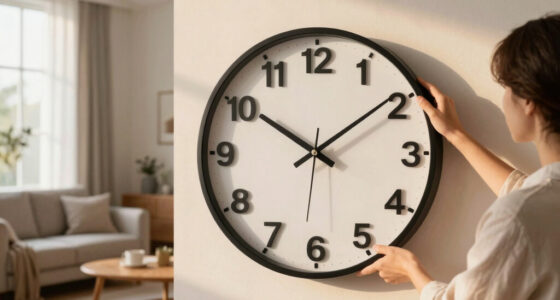
Choosing the right wall clock size depends on your room’s size, wall space, and decor style. Larger clocks work as statement pieces, while smaller ones suit cozy spaces. Measure and plan for balance and visibility.
Imagine walking into your living room and immediately noticing a huge, bold clock dominating the wall. It’s eye-catching, functional, and perfectly suited for the space. Now picture a tiny clock tucked away on a small side table—less impactful but still useful. The secret to making your clock work for your home isn’t just style; it’s size.
Choosing the right size clock can transform a space—making it feel balanced, lively, or calm. Whether you’re decorating a sprawling family room or a cozy bedroom, understanding what size works best is the key. This guide gives you a straightforward, room-by-room sizing plan to help you pick clocks that fit perfectly, look great, and tell time with ease.
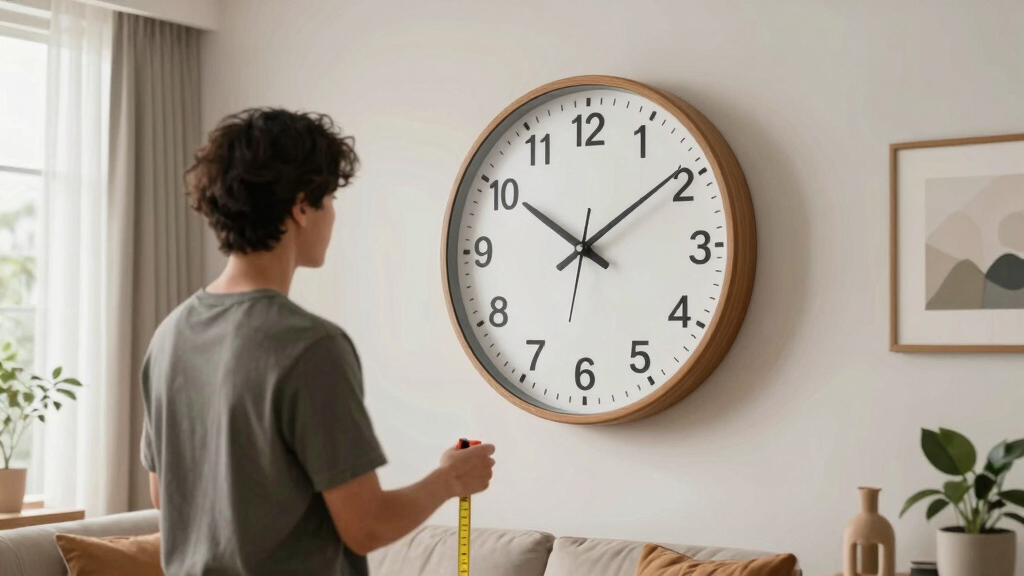
Measure your wall space before choosing a clock to avoid overwhelming or underwhelming your room.
For large, open walls, go big—24 inches or more—to create a statement piece.
In small spaces, stick to clocks 8-12 inches for a balanced look that’s easy to read.
Hang clocks at eye level—about 57-60 inches from the floor—to maximize visibility.
Digital and smart clocks offer flexible sizing options with easy-to-read displays, especially in kitchens and offices.
What Size Wall Clock Do You Need?
TL;DR: Choose a wall clock by matching its diameter to room size, wall width, decor weight, and viewing distance. Bigger clocks create focal points; smaller clocks keep intimate rooms balanced and easy to read.
Clocks 24 inches or larger work best as statement pieces, while 8-12 inch clocks suit cozy spaces.
Best for bedrooms, small kitchens, nooks, and compact offices.
Versatile for living rooms, dining spaces, and larger kitchens.
Use on expansive walls when the clock should anchor the room.
Center the clock where it can be read without strain.
Match the Clock to the Wall, Not Just the Room
Measure the wall width and height first. A clock that is too large can dominate the decor; one that is too small can disappear and make the wall feel unfinished.
Go 24-36 inches
On a 12-foot-wide wall, choose a clock roughly one-third to one-half the width of the open focal area.
Keep it 8-12 inches
A smaller clock above a bedside table or dresser adds function without making the room feel crowded.
Prioritize readability
Digital and smart clocks can be 12-14 inches if the display is clear from your usual work or cooking position.
The 5-Part Clock Sizing Flow
Use this sequence before buying. It keeps the clock visible, proportionate, and aligned with the role it should play in the room.
Measure
Record wall width, wall height, and the open area around nearby decor.
Scale
Aim for one-third to one-half of the wall or furniture width.
Choose
Select small, medium, or large based on room type and visual weight.
Place
Hang the center 57-60 inches from the floor for comfortable viewing.
Balance
Check that the clock complements artwork, furniture, and empty space.
Best Wall Clock Size by Room
The right size depends on whether the clock is decorative, practical, or meant to command attention from across the room.
| Room type | Recommended size | Statement clock? | Best placement | Design note |
|---|---|---|---|---|
| Small bedroom | 8-12 inches | ✗ | Above dresser or bedside area | Keep visual weight quiet and proportional. |
| Living room | 24-36 inches | ✓ | Main open wall or above console | Use as a focal point on wide walls. |
| Kitchen | 12-18 inches | ~ | Visible from prep and dining zones | Readability matters more than drama. |
| Home office | 12-16 inches | ~ | Across from desk or near task wall | Digital displays can work especially well. |
| Large family room | 24 inches or more | ✓ | Large empty wall with breathing room | Balance with furniture and artwork scale. |
Statement Piece or Subtle Accent?
Large clocks can make a room feel curated and intentional, but size should support the room rather than compete with it.
Choose a Large Clock When…
The wall is open, the furniture is substantial, and you want the clock to act like artwork.
- ✓ Best at 24 inches or more
- ✓ Works on broad living room or family room walls
- ✓ Strong choice for rustic, industrial, or modern decor
Choose a Small Clock When…
The room is intimate, the wall already has decor, or the clock needs to support the space quietly.
- ✓ Best at 8-12 inches
- ✓ Works for bedrooms, nooks, and compact offices
- ✓ Reduces clutter while keeping time visible
The Sweet Spot Is Proportion
A balanced wall clock usually sits between practical readability and visual harmony. The more open the wall, the more size it can carry.
Quick Answers Before You Buy
Use these checks to avoid choosing a clock that overwhelms the wall, disappears into the decor, or sits at the wrong height.
How do I know what size wall clock is right?
Measure the open wall space and choose a clock about one-third to one-half the width of that area.
What size works best for a small bedroom?
An 8-12 inch clock usually looks balanced and remains readable without crowding the room.
Can a large clock clutter a small room?
Yes. Oversized clocks need breathing room, so pair them with minimal surrounding decor if space is tight.
Are digital clocks better for kitchens?
Often, yes. A clear 12-14 inch digital display is practical when you need to read the time at a glance.
Why Your Room Size and Wall Space Matter More Than You Think
The first step in choosing the right wall clock size is understanding your room’s dimensions and available wall space. A large, 24-inch clock can look stunning on an 8-foot wall—if it’s the right style. But in a small bedroom with just 10 feet of wall, that same clock might overwhelm the space or block other decor.
Imagine a narrow hallway—adding a 20-inch clock could make it seem cramped, while an 8-inch clock might be barely noticeable. Measure your wall’s width and height first. If the space feels tight, opt for smaller sizes. For larger walls, don’t be afraid to go bold with oversized clocks.
Understanding the relationship between clock size and wall space is crucial because it influences the overall harmony of your room. A clock that’s too large can dominate and disrupt the visual flow, while one that’s too small can be overlooked, making the wall feel empty. Striking the right balance enhances both aesthetics and functionality, ensuring your clock complements rather than competes with other elements.
As an affiliate, we earn on qualifying purchases.
How to Pick the Perfect Size for Your Living Room
- Measure your main wall—width and height. For example, a 12-foot-wide wall gives you plenty of room for a statement piece.
- Choose a clock that’s about one-third to one-half the width of the wall. For a 12-foot wall, that’s roughly 24-36 inches across.
- Hang the clock at eye level—about 57-60 inches from the floor to the center of the clock—so it’s easy to see from anywhere in the room.
Why does this matter? Selecting a clock within this range ensures it becomes a visual anchor, drawing the eye and creating a balanced focal point. If the clock is too small, it might get lost on a large wall, failing to serve as a centerpiece. Conversely, an oversized clock on a small wall can feel overwhelming and disrupt the room’s harmony. The size should complement the room’s scale, enhancing the overall aesthetic and ensuring functionality.
As an affiliate, we earn on qualifying purchases.
Best Clock Sizes for Small Bedrooms and Cozy Spaces
In small bedrooms or intimate nooks, smaller clocks of 8-12 inches work best. They add charm without taking up too much visual space. Imagine a 10-inch clock above your bedside table—clear, simple, and proportionate.
Choosing a clock that’s too large for a small space can make the room feel cluttered or cramped, drawing attention away from other decor and making the space feel less open. On the other hand, a clock that’s too small might be overlooked or seem insignificant. The goal is to find a size that’s proportional to your furniture and wall area, creating a cohesive look. Smaller clocks also tend to blend better with the softer, more intimate vibe of cozy spaces, ensuring the clock enhances rather than dominates the environment.
Tradeoff considerations include visibility versus visual clutter—select a size that’s easily readable from your typical viewing distance while maintaining a balanced proportion with your other decor elements.
digital wall clock for living room
As an affiliate, we earn on qualifying purchases.
As an affiliate, we earn on qualifying purchases.
Using Large Clocks as Statement Pieces in Big Rooms
Large clocks—24 inches or more—serve as eye-catching focal points. Think of a giant rustic clock on a sprawling living room wall, instantly drawing attention and anchoring the decor.
Always balance size with wall space. A large clock on a big, empty wall can feel dramatic and stylish, but in a crowded gallery wall, it might get lost or seem overwhelming. The key is to consider the visual weight of the clock relative to the entire wall and surrounding decor. A large clock can serve as a unifying element that ties the room together or as a bold statement piece that commands attention. The tradeoff is between making a dramatic impact and risking visual overload—knowing your space helps you find that sweet spot.
In choosing a size, think about how it interacts with other elements: furniture, artwork, and architectural features. A well-proportioned oversized clock can elevate your space when balanced thoughtfully, creating a harmonious and stylish environment.
As an affiliate, we earn on qualifying purchases.
How High Should You Hang Your Wall Clock for Best Visibility
The ideal height for hanging a clock is where you can see it comfortably without craning your neck or squinting. The sweet spot is about 57-60 inches from the floor to the center of the clock.
This height ensures that the clock is within your natural line of sight whether you’re seated or standing, reducing strain and making checking the time effortless. Proper placement also helps balance the visual weight of the clock on your wall, especially if it’s a larger piece. Hanging it too high or too low can disrupt this harmony and make it less functional. The tradeoff involves considering your typical viewing position—if you have high ceilings or seating arrangements that sit at different heights, adjust accordingly to maintain optimal visibility and aesthetic balance.
Smart and Digital Clocks: When Size Matters Less
If practicality is your priority, digital clocks or smart clocks often come in various sizes, but their display size is key. A 12- or 14-inch digital display is usually clear from across the room, especially on a kitchen wall or home office.
Unlike traditional clocks, digital displays can be larger without overwhelming the wall, offering flexibility in placement and size. They often feature adjustable brightness and display options, allowing you to customize their appearance to suit your space. In terms of tradeoffs, while digital clocks provide excellent readability and modern features, they might lack the aesthetic charm of traditional styles. Choosing a size that balances visibility with style ensures your digital clock enhances your space without becoming an eyesore. The key is to select a display size that’s easily readable from your usual viewing points, making practicality and design go hand in hand.
Frequently Asked Questions
How do I know what size wall clock is right for my room?
Start by measuring your wall space. Choose a clock that’s about one-third to one-half the width of the wall for a balanced look. Remember to hang it at eye level—about 57-60 inches from the floor.What size clock should I get for a small bedroom?
A clock between 8-12 inches in diameter usually works best. It’s enough to see from the bed without dominating the space or feeling cluttered.Can a large clock make a small room look crowded?
Yes, if it’s too big and the wall is small. Keep proportions in mind—use a smaller size to avoid overwhelming tight spaces.Where is the best height to hang a wall clock?
Hang the clock so its center is around 57-60 inches from the floor. This makes it easy to see whether you’re sitting or standing.Are digital clocks better for small spaces?
Digital clocks with large displays can be very practical and don’t need to be huge. They’re especially handy in kitchens or offices where quick glances matter most.Conclusion
The right clock size transforms a simple wall into a focal point or a subtle accent. It’s about balance—matching the clock to your space, style, and needs.
Next time you’re choosing a clock, think beyond looks. Measure, visualize, and pick a size that feels just right—so you can check the time without a second thought, and enjoy your space even more.
Fall Picks
fall essentials
As an affiliate, we earn on qualifying purchases.