TL;DR

Get decor and gifts delivered free with Prime
- Fast, free delivery on millions of items
- Prime Video, Amazon Music and more included
- Member-only deals all year
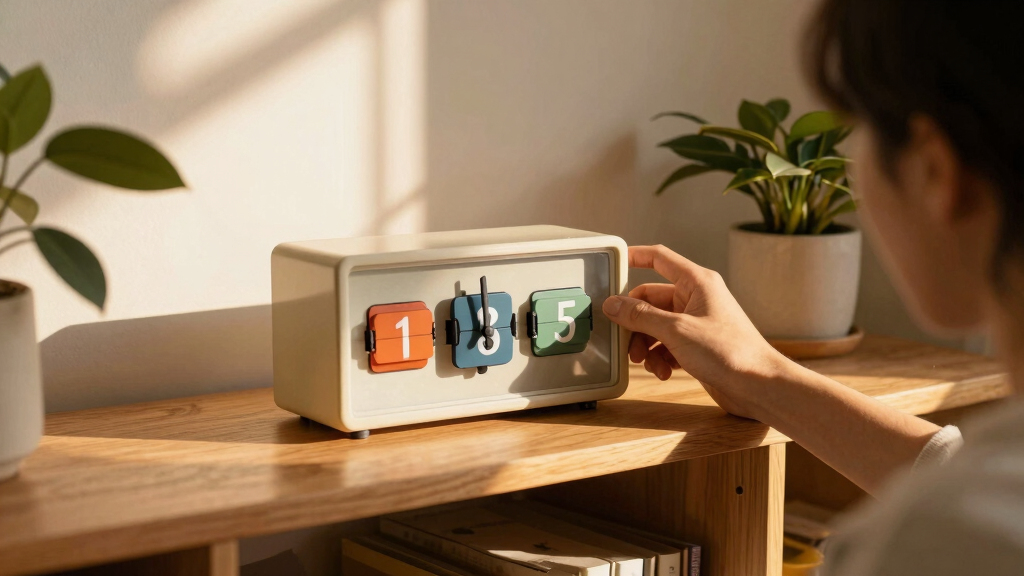
Split-flap displays use rotating or flipping panels to show changing information, combining mechanical precision with nostalgic design. Modern versions mimic this effect digitally, maintaining their charm in today’s tech-driven world.
Imagine a clock with panels that flip, revealing the time in a smooth, almost hypnotic motion. That’s the magic of split-flap displays. These devices evoke a sense of nostalgia, but they’re also marvels of mechanical design.
In this guide, you’ll learn how they work, their history, and how modern versions keep their charm alive—whether in vintage stations or on your desk as a stylish novelty.
Split-flap displays use spindles and flipping panels to show changing characters, blending mechanical engineering with visual art.
Vintage models are durable and operate mainly on motors, while digital replicas mimic the flipping effect with screens, offering more convenience.
Building a DIY flip clock is accessible with microcontrollers and kits, making it a fun project for hobbyists.
Their tactile, rhythmic motion creates a nostalgic, eye-catching aesthetic that remains relevant in modern design.
Split-flap displays symbolize a unique intersection of craftsmanship, technology, and style—timeless and adaptable.
How Do Split-Flap Displays Actually Work?
Split-flap displays operate through a simple yet precise mechanism: panels mounted on spindles flip or slide to reveal new characters. Each flap is printed with a number, letter, or symbol, and the movement is driven by motors or manual levers.
For example, in a train station, the destination signs flip effortlessly, showing different cities as trains arrive and depart. The flipping action isn’t just functional—it’s a visual feast that combines movement with a tactile, mechanical feel.
Understanding why this mechanism matters goes beyond aesthetics. The precision of the flipping panels ensures each character is clearly visible and correctly aligned, which is crucial for readability in busy environments. The tradeoff is that such mechanisms require meticulous calibration and maintenance, especially over years of heavy use. This highlights the importance of engineering quality in vintage models and the challenge of replicating that durability in modern digital substitutes.
As an affiliate, we earn on qualifying purchases.
What Makes Split-Flap Clocks So Visually Captivating?
The flipping panels create a rhythmic, almost hypnotic motion that draws your eye. The tactile sound of the flaps clicking into place, combined with their bright colors and bold fonts, makes them stand out. They look especially striking in settings like vintage train stations or retro-themed cafes.
Think of the rich, warm aroma of freshly brewed coffee filling a cozy kitchen—these clocks bring a similar sensory richness through their visual and mechanical charm.
More than just visual appeal, this rhythmic motion and mechanical sound evoke a sense of rhythm and predictability that can be soothing or exciting, depending on context. This sensory feedback is a key reason why they remain popular: they engage multiple senses and create a sense of craftsmanship that digital clocks simply can’t replicate. Recognizing this, designers and enthusiasts often use split-flap clocks as focal points or conversation starters, emphasizing their role as both functional timepieces and artistic statements.
As an affiliate, we earn on qualifying purchases.
How Modern Flip Clocks Mimic Vintage Flap Displays
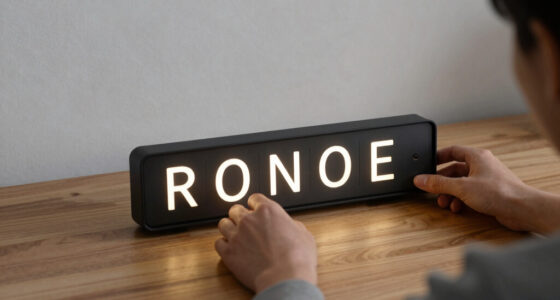
Today’s flip clocks often use LCD or LED screens with animations that imitate the flipping action. These digital versions are more reliable and easier to maintain, but they aim to capture the same nostalgic vibe.
For example, hobbyists create DIY flip clocks with microcontrollers like Arduino, programming the panels to flip at specific intervals. This blend of old-school style and new tech keeps the design relevant and fun.
From a practical perspective, this shift means you can enjoy the aesthetic without the mechanical complexity or maintenance. However, it also means sacrificing the tactile feedback and craftsmanship that make vintage models special. When choosing between the two, consider whether you value authenticity and mechanical charm over convenience and durability. This decision impacts the longevity and user experience of your clock, highlighting the importance of understanding your priorities in design and function.
As an affiliate, we earn on qualifying purchases.
The Engineering Behind Split-Flap Displays
| Feature | Vintage Models | Modern Digital Replicas |
|---|---|---|
| Mechanism | Rotating/flipping panels on spindles | LCD/LED screens with animated flip effects |
| Power Source | Minimal power, mainly motors | Electrical power, often more energy-consuming |
| Durability | Robust, built for heavy use | Depends on electronics, generally less durable physically |
Understanding these differences is crucial when deciding which type suits your needs. Vintage models emphasize mechanical reliability and craftsmanship, often requiring careful maintenance but offering a truly tactile experience. Modern digital versions prioritize ease of use, consistency, and integration with other digital systems, but may lack the physical charm and mechanical nuance that define traditional split-flap displays. The tradeoff impacts not only aesthetics but also operational longevity and user interaction—important factors for collectors, designers, and casual users alike.
As an affiliate, we earn on qualifying purchases.
Can You Build Your Own Flip Clock or Split-Flap Display?
Absolutely. Many hobbyists and DIY enthusiasts craft their own flip clocks using simple mechanical parts and microcontrollers like Arduino or Raspberry Pi. Kits and tutorials online guide you step-by-step, from assembling the panels to programming the flipping action.
Building your own not only provides a sense of accomplishment but also deepens your understanding of mechanical and electronic engineering principles. For instance, calibrating the panels to flip smoothly without jamming involves precise measurements and adjustments, which can be a valuable learning experience. Moreover, customizing the fonts, colors, and characters allows you to tailor the display to your personal aesthetic or functional needs, transforming a simple project into a unique piece of art or a personalized timepiece.
Why Are Split-Flap Displays Still Popular Today?
Even with today’s high-tech screens, split-flap displays hold a special charm. They offer a tactile, mechanical aesthetic that digital clocks can’t replicate. Their vivid colors and rhythmic motion make them eye-catching in public spaces or as home decor.
Plus, they evoke a sense of history—reminding us of a time when engineering was about craftsmanship and showmanship, not just pixels.
Beyond aesthetics, their popularity also stems from their ability to serve as conversation starters and focal points in interior design. They encourage a reflection on craftsmanship and innovation, making them more than just functional objects—they are statements of style and engineering philosophy. Choosing a split-flap display today can be both a nostalgic gesture and a modern design statement, which is why their appeal persists despite the digital age.
Frequently Asked Questions
How do split-flap displays prevent panels from jamming?
Vintage split-flap clocks include carefully engineered mechanisms and high-quality bearings to ensure smooth flipping. Regular maintenance and gentle handling help keep the panels from sticking or jamming.Are digital flip clocks as reliable as vintage models?
Digital versions tend to be more consistent and require less maintenance, but they lack the tactile, mechanical charm. Vintage models are more durable physically but may need occasional repairs.Can I customize a split-flap display for personal use?
Yes! Many hobbyists customize the fonts, colors, and even the characters on their DIY projects. Building your own allows for full personalization, whether for a clock, signage, or art piece.What’s the main challenge in building a DIY flip clock?
Aligning the panels precisely and programming the flip intervals can be tricky. Patience and careful calibration are key, but the satisfaction of creating your own is well worth it.Are split-flap displays energy-efficient?
Vintage models mainly consume power for motor operation, making them quite energy-efficient. Digital flip clocks may use more power depending on their screen type, but overall, they’re still quite economical.Conclusion
Split-flap displays remind us that sometimes, the beauty of a clock isn’t just in telling time—it’s in how it tells a story. Their mechanical dance captures a bygone era, yet still sparks innovation today.
So, whether you’re a vintage enthusiast or a tech-tinkerer, these displays invite you to appreciate the art of mechanical motion. Maybe it’s time to flip a page—and a panel—to the charming world of split-flap clocks.
Columbus Day / Indigenous Peoples' Day Picks
long weekend sales
As an affiliate, we earn on qualifying purchases.