
TL;DR

Get decor and gifts delivered free with Prime
- Fast, free delivery on millions of items
- Prime Video, Amazon Music and more included
- Member-only deals all year
Decorating around a statement wall clock means choosing the right size and style, creating a balanced gallery wall, and using design principles like contrast and lighting. Done well, it turns a simple clock into the centerpiece of your room.
Imagine walking into a room where your eye is immediately drawn to a bold, beautiful clock. It’s not just for telling time—it’s a piece of art, a conversation starter. That’s the power of decorating around a statement wall clock.
If you’ve ever struggled with how to make that clock feel integrated yet striking, you’re not alone. This guide will show you how to turn your clock into a focal point with creative gallery walls and smart design choices. Whether your style is sleek minimalism or vibrant eclectic, you’ll learn how to balance, contrast, and highlight your clock to perfection.
Choose a clock size and style that harmonizes with your wall and room vibe, aiming for proportionate scale.
Plan your gallery wall layout carefully—use templates and balance to avoid clutter and overwhelm.
Emphasize contrast and texture to make your clock stand out as the focal point.
Lighting can dramatically enhance your display—consider spotlights or sconces to draw eyes.
Mix media and personalize your decor to keep your focal wall fresh and uniquely yours.
Pick the Perfect Clock Size and Style for Your Space
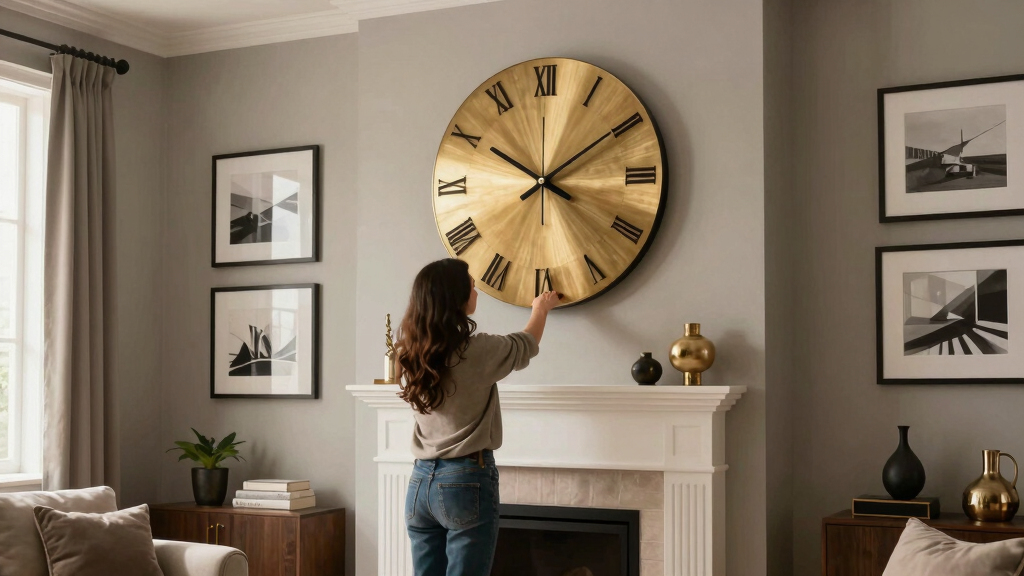
The first step is choosing a clock that fits your wall and your style. A clock that’s too small can get lost, while an oversized one becomes an instant focal point. For example, a 24-inch diameter clock works well above a sofa or fireplace, creating a commanding presence.
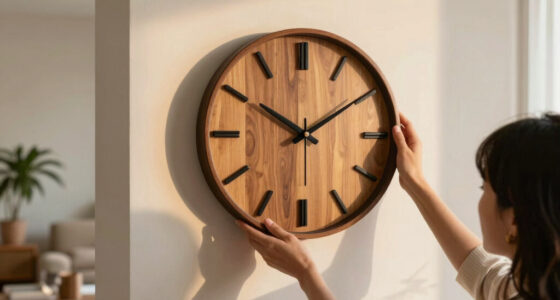
Match your clock’s style to your room’s vibe. Modern clocks with sleek metal finishes suit minimalist spaces, while rustic wooden designs add warmth to cozy, country-inspired rooms. Pay attention to color—if your walls are light, a dark clock creates strong contrast, drawing eyes directly to it.
Remember, the clock should balance proportionally to the wall. A good rule of thumb: the clock’s diameter should be roughly one-third to one-half the width of the furniture below it. This keeps everything harmonious without overwhelming or underwhelming the space.
Beyond size and style, consider the material and finish of your clock, as these choices influence how it interacts with surrounding decor. For instance, a sleek metal clock can introduce a modern edge, while a distressed wooden piece adds rustic charm. The key is to select a clock that not only fits physically but also complements the room’s overall aesthetic, creating a cohesive look that feels intentional rather than accidental.
Understanding the implications of your choices helps you craft a space that’s both functional and visually appealing. For example, a large, bold clock can serve as an anchor for the room, but if it’s too heavy visually, it might overpower other elements, causing imbalance. Conversely, a clock that’s too subtle might not serve as an effective focal point, reducing its impact. Balancing these tradeoffs ensures your clock enhances rather than disrupts your decor harmony.
As an affiliate, we earn on qualifying purchases.
Design a Gallery Wall That Complements and Highlights the Clock
Creating a gallery wall around your clock isn’t just about filling space—it’s about crafting a visual story that enhances the clock’s role as a focal point. The arrangement influences how viewers’ eyes move across the wall, and thoughtful placement can either elevate or diminish the clock’s impact.
Symmetrical layouts lend a sense of order and balance, which can make the clock appear more prominent and intentional, especially in formal or minimalist interiors. Conversely, asymmetrical arrangements introduce dynamism and personality, making the display feel more curated and lively. The choice depends on your aesthetic goals and the atmosphere you want to create.
Using paper templates or painter’s tape to map out your layout is essential—it allows you to experiment with spacing, scale, and positioning without committing to holes in the wall. This planning stage helps you visualize how different elements interact and ensures your gallery feels balanced rather than cluttered.
Mixing different frame styles, art types, and textures isn’t just about variety—it’s about creating a layered, engaging composition that guides the viewer’s eye naturally toward the clock. For example, framing your clock with bold, contrasting elements can make it stand out more effectively, while softer, harmonious colors and styles can blend the clock seamlessly into a more subtle background. The goal is to craft a narrative that emphasizes the clock as the centerpiece, with surrounding pieces complementing and reinforcing its presence.
Deeply understanding how your gallery layout affects visual flow is crucial. A well-designed arrangement can draw attention to the clock while creating a sense of rhythm and harmony across the wall. Conversely, a poorly planned gallery can lead to visual chaos, diluting the impact of your statement piece. Tradeoffs include the risk of clutter versus the desire for visual richness; balancing these considerations ensures your gallery enhances the clock’s prominence without overwhelming the space.
As an affiliate, we earn on qualifying purchases.
Use Design Principles to Make Your Clock the Main Attraction
Applying core design principles ensures your clock remains the star of the wall. Contrast isn’t just about visual interest—it’s a strategic tool that creates a hierarchy, guiding the viewer’s eye directly to your focal point. For instance, pairing a dark-colored clock against light walls amplifies its prominence, making it impossible to overlook.
Texture adds another layer of depth and richness. Combining smooth, polished surfaces with rougher, tactile textures—like woven baskets or natural fibers—creates a sensory contrast that draws attention and invites closer inspection. This interplay of textures can make the clock appear more integrated into a layered, thoughtfully designed space.
Lighting is often overlooked but profoundly influences how your clock and gallery wall are perceived. Proper illumination—such as a dedicated picture light or adjustable sconces—can cast shadows and highlights that add depth, emphasizing the clock’s details and making it glow at night. This strategic lighting not only enhances visual appeal but also reinforces the clock’s role as a focal point.
Understanding how these principles work together allows you to craft a cohesive and captivating display. For example, a high-contrast pairing with textured surroundings and accent lighting creates a visual hierarchy that naturally draws attention. The tradeoff here involves balancing subtlety with drama: too much contrast or lighting can feel overwhelming, while too little might diminish the clock’s impact. Thoughtful application ensures your design remains engaging without becoming chaotic.
As an affiliate, we earn on qualifying purchases.
Frequently Asked Questions
How do I choose the right size of clock for my wall?
Measure your wall and furniture first. A good rule: the clock should be about one-third to one-half the width of your sofa or fireplace. This ensures it’s noticeable but not overwhelming.
What’s the best way to arrange a gallery wall around a clock?
Start with the clock as your centerpiece. Use paper templates or painter’s tape to plan symmetrical or asymmetrical layouts. Maintain even spacing—2-3 inches—and mix different frame styles for visual interest.
How can I make sure the clock remains the main focus?
Use contrast—dark clock on light walls or vice versa. Highlight it with strategic lighting. Keep surrounding decor balanced and avoid clutter, so the eye naturally gravitates toward the clock.
Are there creative DIY options for unique statement clocks?
Absolutely! You can craft clocks from repurposed materials—think a vintage tray with clock hands or a painted wooden circle. Personal touches like monograms or family photos in the clock face make it truly yours.
How often should I update my gallery wall around the clock?
Every 6-12 months, consider swapping out art or rearranging pieces to keep things fresh. Personal milestones or seasonal changes are great reasons to refresh your display.
decorative wall clock for living room
As an affiliate, we earn on qualifying purchases.
As an affiliate, we earn on qualifying purchases.
Conclusion
Turning a simple clock into a striking focal point is all about thoughtful placement and creative pairing. With the right size, a balanced gallery wall, and eye-catching contrasts, your wall becomes a visual story that invites admiration.
Remember, your clock isn’t just telling time—it’s telling your story. So pick a style, plan your layout, and let your personality shine through every detail. Your perfect wall awaits.
Fall Picks
fall essentials
As an affiliate, we earn on qualifying purchases.