
TL;DR

Get decor and gifts delivered free with Prime
- Fast, free delivery on millions of items
- Prime Video, Amazon Music and more included
- Member-only deals all year
Learning kids’ wall clocks simplify understanding time through bright colors, clear labels, and interactive features. They support early numeracy, routines, and independence, especially when paired with active practice.
Imagine a room where a child’s eyes naturally drift toward a vibrant clock on the wall. It’s not just decoration—it’s a powerful teaching tool. Learning kids’ wall clocks turn abstract time into something tangible, colorful, and memorable. This isn’t about ticking gears; it’s about sparking understanding and confidence in young minds.
If you’ve ever watched a kid stare blankly at a regular clock, you know how confusing it can be. A well-chosen learning clock makes all the difference—highlighting the passing minutes, connecting phrases like ‘quarter past,’ and turning routines into fun lessons. Whether you’re a parent, teacher, or caregiver, understanding what makes these clocks effective can transform how children learn to tell time.
Choose clocks with large, high-contrast numerals and clearly labeled hands for easy reading.
Start with simple designs—fewer prompts and decorations—then add complexity as your child’s skills grow.
Incorporate routine and play—use the clock during daily activities and hands-on practice to reinforce learning.
Safety matters: secure installation, non-toxic materials, and child-proof batteries are essential.
Mix visual cues with active engagement: moving hands, asking questions, and connecting to digital time accelerate mastery.
What Makes a Learning Wall Clock a Kid’s Best Friend?
Learning wall clocks are specifically designed to make time-telling clear and engaging. They feature large, bold numerals, bright contrasting colors, and visual cues that link numbers to everyday activities. Imagine a clock with a red hour hand labeled ‘hour,’ a longer blue minute hand labeled ‘minute,’ and bold numbers from 1 to 12 that pop against a light background. These elements help children connect the visual position of the hands with the concept of passing time.
For example, a clock with a sunny yellow face and green accents can turn a dull teaching moment into a cheerful game. The hands might be tactile or labeled, so kids learn to differentiate ‘short’ and ‘long’ at a glance. Some models break the face into halves—‘past’ on one side and ‘to’ on the other—making it easier to grasp phrases like ‘ten past’ or ‘quarter to.’
Look for features like minute markings at five-minute intervals, clear labels, and optional digital displays. These elements combine to create a visual language that gradually becomes second nature to children, turning the clock into their learning buddy.
As an affiliate, we earn on qualifying purchases.
How Kids Progress From Recognizing Numbers to Telling Exact Minutes
Understanding how children learn to tell time explains why certain clock features matter. Most kids start recognizing numbers and the movement of the hands around age four or five. At first, they grasp ‘o’clock’ times—like 3:00 or 7:00—using large, simple clocks without clutter.
Next, they begin to identify half-hours and quarter-hours. For instance, they learn that the minute hand pointing at ‘6’ means 30 minutes past the hour. As their numeracy grows, they start counting in fives—5, 10, 15, 20—and connect those to clock positions.
By ages six or seven, many children can read the clock at five-minute increments and understand phrases like ‘quarter past’ or ‘ten to.’ The challenge is helping them see that the hour hand moves gradually, not jumping instantly from one number to the next. Using clocks with labeled hands, color-coded sections, and clear minute marks accelerates this understanding.
For example, a child who can tell 4:15 on a learning clock is building a foundation for understanding durations, schedules, and even digital time conversion later on. This progression is crucial because rushing through stages can lead to misunderstandings, such as thinking the hour hand jumps or that minutes are only read at specific points, which can hinder flexible time comprehension.
As an affiliate, we earn on qualifying purchases.
Why a Bright, Clear Design Boosts Learning and Keeps Kids Engaged
Clarity and vibrancy are the secret weapons of effective learning clocks. Imagine a clock face with a vivid blue background, large white numbers, and hands in contrasting red and green—impossible to ignore. Bright colors capture attention, but they also aid understanding. For kids with visual challenges, high contrast makes a big difference.
Extra labels like ‘hours,’ ‘minutes,’ or ‘quarter’ help children connect language with the visual. Some clocks include small icons—like a spoon for mealtime or a bed for bedtime—turning routines into visual cues. The goal is to make the clock feel less like a puzzle and more like a friendly guide.
However, too many decorations can clutter the face, confusing the young learner. The best designs balance visual appeal with simplicity—using clean lines, large numerals, and minimal distraction. For example, a clock with just the essential labels and a subtle color palette often works better than one overloaded with images. This balance is important because overly busy designs can distract children from the core learning tasks, making it harder for them to focus and internalize the concepts of time. Simplicity enhances cognitive processing, allowing children to decode the essential information without unnecessary visual noise.
As an affiliate, we earn on qualifying purchases.
Choosing the Perfect Learning Clock for Different Ages
Picking the right clock depends on your child’s age and skill level. For preschoolers, focus on large numbers, simple colors, and straightforward hands. Think of a clock with big, easy-to-read numerals and minimal extra markings—something that sparks curiosity without overwhelming.
Early primary school kids benefit from five-minute marks and phrases like ‘quarter past’ or ‘half past.’ Consider clocks with labeled hands and split faces showing ‘past’ and ‘to’ sections. For older children, a clock with both 12-hour and 24-hour markings, and fewer visual prompts, prepares them for more advanced understanding.
For children with learning differences or sensory sensitivities, look for high contrast, tactile features, and durable, shatter-resistant materials. The key is matching the clock’s complexity to your child’s current numeracy and confidence—too simple, and it won’t challenge them; too busy, and it might confuse.
For example, a 5-year-old may thrive with a large, colorful clock with only the essential labels, while a 7-year-old could use a more detailed model with 24-hour markings and subtle color cues. Choosing appropriately ensures that your child remains motivated and avoids frustration, which can be counterproductive to learning. It’s about finding the right balance between challenge and accessibility, fostering confidence as they develop new skills.
interactive kids time-telling clock
As an affiliate, we earn on qualifying purchases.
As an affiliate, we earn on qualifying purchases.
Design Styles That Make Learning Time a Game
Different clock layouts turn learning into fun. Some popular styles include color-coded sections—blue for hours, yellow for minutes—helping children visually segment the face. Others have numbered minute markers from 1 to 60, making it easy to connect each position with a specific minute.
Imagine a clock with an inner ring showing ‘13–24’ for 24-hour time, perfect for older kids or those interested in military or international schedules. Labels like ‘quarter past’ or ‘half past’ are often placed around the face, turning time-telling into a story or routine.
Routine-themed clocks link specific times with daily activities—like a breakfast icon at 7:00 or a bed icon at 8:30—making abstract concepts concrete. For beginners, simpler designs with minimal prompts work better. As confidence builds, more detailed and themed clocks encourage mastery and fun.
For example, a clock with a cartoon sun and moon can help children understand daytime and nighttime routines, reinforcing learning through familiar visuals. These creative approaches recognize that children learn best when they see a direct connection between what they’re learning and their daily experiences, making the abstract nature of time more tangible and memorable.
Latest Trends in Learning Clocks: What’s New and Helpful?
Recent trends focus on making clocks more inclusive, silent, and Montessori-inspired. Silent sweep mechanisms eliminate ticking sounds, creating peaceful rooms for sleeping or studying. Neutral colors and minimalistic designs avoid stereotypes, appealing to diverse families.
Montessori-style clocks emphasize simplicity, clarity, and hands-on learning. Many now come with companion resources—printable worksheets, movable practice clocks, or activity guides—turning passive watching into active learning. These additions support different learning styles and foster independence in children, allowing them to explore concepts at their own pace.
Accessibility is also a focus. High-contrast colors, tactile features, and easy-to-operate mechanisms support children with visual or motor challenges. Some models incorporate eco-friendly materials and packaging, reflecting broader sustainability trends. These innovations aim to make learning tools more adaptable and environmentally conscious, acknowledging the diverse needs of learners and families.
Hybrid tools marry traditional analog clocks with digital references, helping children transition smoothly between formats. While apps and smart clocks grow in popularity, physical clocks remain vital because children can see the relationship between hand positions and the passage of time, in real life. This tangible connection is crucial for developing a deep understanding that digital interfaces alone cannot provide.
Safety First: Installing and Maintaining Your Child’s Learning Clock
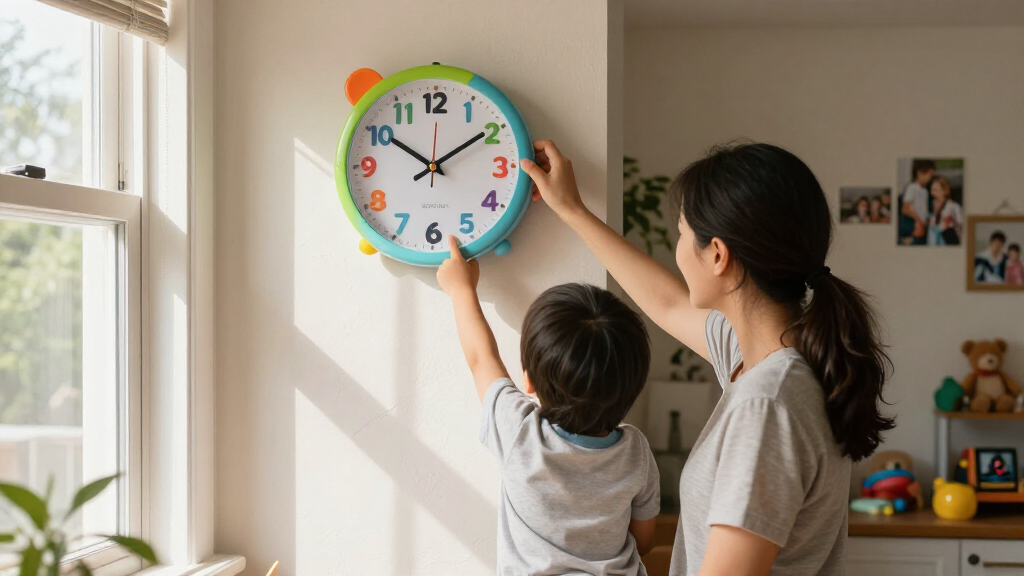
Proper placement and safe installation are key. Mount the clock at eye level where your child can see it easily—like above their desk or bedside wall. Use sturdy hooks or brackets, especially for larger models, and double-check that it’s secure.
Battery safety is crucial. Choose models with child-proof battery compartments and avoid button batteries that can be swallowed—an emergency waiting to happen. If a clock has a glass cover, opt for shatter-resistant materials or keep it beyond reach.
Regularly inspect the clock for loose parts, misaligned hands, or signs of battery leakage. Clean it gently with a soft cloth—avoid harsh chemicals that could damage the face or hands. Follow manufacturer instructions for maintenance, and replace batteries promptly to keep the clock accurate.
Remember: safety isn’t just about the clock’s appearance. It’s about peace of mind for you, knowing your child can learn safely and independently. Proper installation and maintenance prevent accidents and ensure the clock remains a reliable learning tool over time, reinforcing safe habits and responsibility in your child.
Smart Tips for Teaching with a Learning Wall Clock
Turn time-telling into a daily game. Start by pointing out the clock during breakfast or before bed—link times with routine activities. Use the hour hand to show ‘big’ time chunks and then introduce the minute hand as a ‘small’ step.
Practice counting in fives around the clock—5, 10, 15—while moving the minute hand. Ask questions like, ‘What will the clock show in 10 minutes?’ or ‘Can you set the clock to 3:30?’ to encourage active thinking.
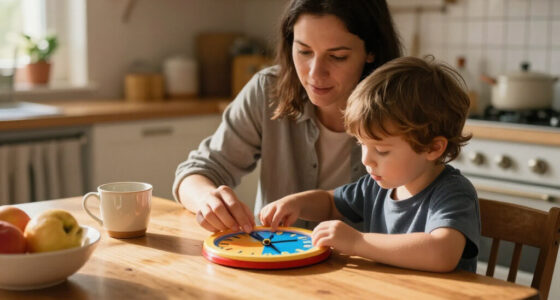
Use a separate movable clock for hands-on practice. Let your child move the hands themselves, helping them see how the numbers relate to the passing minutes. Keep lessons short but regular—five to ten minutes daily—and gradually remove prompts as they become confident.
Link clock reading to digital time and real-world schedules. Over time, your child will start telling time intuitively, turning a once confusing concept into a natural part of daily life. Consistent, engaging practice helps solidify these skills, making time-telling an intuitive and enjoyable part of their routine.
Your Most Common Questions About Learning Kids’ Wall Clocks Answered
What age should a child start learning to tell time? Most kids begin recognizing ‘o’clock’ times around ages five to six. Exact minutes and 24-hour formats typically come between ages six and eight, depending on their numeracy skills.
Are learning clocks better than regular clocks? For beginners, yes. They highlight minute divisions, teach phrases like ‘quarter past,’ and help build confidence. But once kids master basic reading, switch to regular clocks for real-world practice.
Is a clock with all 60 minutes labeled helpful? It can be, especially for older kids, but for beginners, too many labels might cause confusion. Clear design with essential cues matters more than sheer detail.
Should the minute hand be longer than the hour hand? Absolutely. The longer hand should reach the minute markers, making it easier to read—especially when color-coded or labeled.
Is a silent clock better for a child’s bedroom? Usually. Quiet clocks prevent sleep disturbances and focus distractions. Look for terms like ‘silent sweep’ or ‘non-ticking’ when shopping.
Do children still need to learn analog time? Yes. Analog understanding supports grasping durations, fractions, and real-life timing. It’s a foundational skill that complements digital literacy.
What size should a children’s wall clock be? Big enough to see comfortably from where they sit—generally, at least 8-12 inches in diameter, with large numbers and high contrast.
Where should I place the clock? Hang it at eye level in a well-lit spot, away from direct sunlight or drafts. Keep batteries and mechanisms safely out of reach if necessary.
Conclusion
A vibrant, thoughtfully designed learning clock can turn time from a confusing puzzle into a confident skill. It’s not just about reading numbers—it’s about building independence, understanding routines, and making daily life smoother for your child.
So, pick a clock that matches their age, keep practice fun, and watch as those tiny hands start telling big stories. After all, the best time-telling lessons are the ones that stick—bright, simple, and full of life.
Columbus Day / Indigenous Peoples' Day Picks
long weekend sales
As an affiliate, we earn on qualifying purchases.