TL;DR

Get decor and gifts delivered free with Prime
- Fast, free delivery on millions of items
- Prime Video, Amazon Music and more included
- Member-only deals all year
A minute equals 60 seconds, but children often need hands-on activities and routines to truly understand its length. Using timers, games, and repetition makes learning about time both fun and effective at ages 4-7.
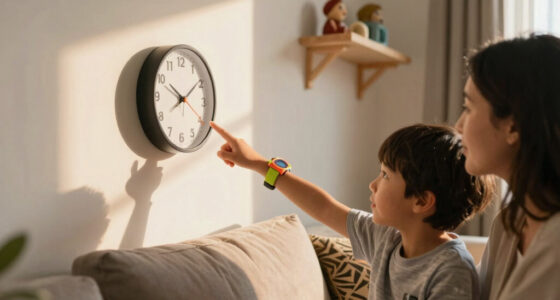
Helping kids understand how long a minute really is can feel like trying to teach a foreign language. It’s abstract, slippery, and often hard to visualize. But when you connect the concept to their everyday experiences—like waiting for a turn or brushing teeth—the puzzle pieces start fitting together.
Developing a sense of time isn’t just about telling clocks; it’s about building an internal clock that helps kids manage their routines, patience, and future learning. In this guide, you’ll find practical ways to turn the elusive minute into something tangible and fun.
Using visual timers helps children see the passage of time in a concrete way.
Routine and repetition turn time from an abstract idea into familiar experiences.
Timing games and activities make learning about durations natural and fun.
Most children grasp the idea of a minute between ages 4 and 6, but individual pace varies.
Incorporating playful timing into daily chores accelerates understanding and patience.
Ages 4–7 · Parent playbook
How Long Is a Minute?
A minute is always 60 seconds—but children learn its true length by seeing it, moving through it, and meeting it again in familiar routines. Turn an invisible idea into something they can feel.
Definition
One full trip around a clock’s second hand.
Best window
Understanding grows gradually; individual pace varies.
Best aid
A shrinking bar or falling sand makes time concrete.
Best method
Movement and routines build an internal clock.
01 · Feel the duration
Three one-minute experiments
Do each activity several times. Before starting, ask whether a minute will feel short or long. Afterward, compare the prediction with the experience.
See it
The disappearing minute
Start a sand timer or bright visual countdown. Let your child draw, stack blocks, or watch the color shrink until the minute is gone.
Move through it
Stop, go, freeze
Play music for one minute. Dance while it plays and freeze when it stops. Movement, rhythm, and pauses make duration easier to remember.
Live it
Race the routine
Time a familiar task such as putting toys away or waiting for food to cool. Keep the mood playful—accuracy matters more than speed.
02 · Make time visible
What fits inside 60 seconds?
Children understand a minute more easily when it is anchored to actions they already know. These examples are guides, not performance targets.
Repeat with quiet waiting and active movement. The clock measures the same minute, even when the two experiences feel different.
03 · Choose the right tool
Match the timer to the moment
The strongest tools reveal progress clearly and let the child stay focused on the activity—not on decoding numbers.
| Tool | What the child sees | Best use | Learning strength |
|---|---|---|---|
| Sand timer | Sand physically moving | Waiting, sharing, cleanup | Concrete and calming |
| Visual countdown | Color or a bar shrinking | Transitions and turn-taking | Clear progress feedback |
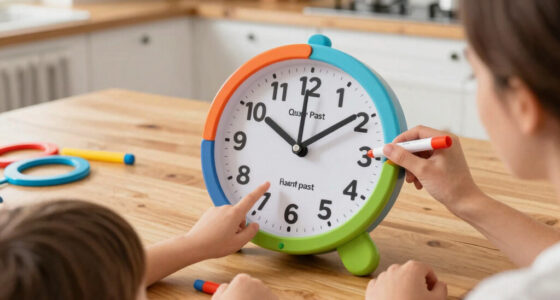
| Clock face | Second hand moving | Connecting duration to clocks | Builds measurement language |
| Song or music | A familiar beginning and end | Brushing, dressing, movement | Memorable and playful |
Best practice · Keep the same cue for the same routine whenever possible.
04 · Build the internal clock
Routine turns time into confidence
Predictable timing supports patience and self-regulation. A child begins to learn: this activity has a beginning, a visible middle, and a dependable end.
Step 01
See
Watch the timer begin and notice change.
Step 02
Do
Move, draw, wait, sing, or tidy.
Step 03
Repeat
Use the same duration in familiar routines.
Step 04
Estimate
Guess when a minute has passed, then check.
Quick answers
Questions parents ask
Time sense develops through experience. Variation is normal, especially when a child is excited, tired, distracted, or waiting.
When should a child understand a minute?
Many children begin grasping the idea between ages 4 and 6. Reliable estimation develops later and improves with practice.
What activity works best?
Visual timers, stop-and-go games, songs, and timed routines work well because they make duration visible and memorable.
How often should we practice?
Short, natural practice during daily routines is more useful than a long lesson. Consistency matters most.
What if time still feels confusing?
Use clearer visual aids, simplify instructions, and repeat familiar tasks. Ongoing difficulty with routines may merit extra support.
The one-minute takeaway
Make it visible. Make it playful. Make it familiar.
What Is a Minute? A Simple Explanation for Little Minds
A minute is 60 seconds—one full rotation of the second hand on a clock. But for a young child, that’s a hard number to grasp. Instead, think of a minute as the time it takes to do something familiar: brushing your teeth, singing a short song, or waiting for your favorite snack.
For example, a 4-year-old might see a minute as the length of a quick story or a favorite song. Connecting it to daily moments makes the concept less abstract and more relatable.
As an affiliate, we earn on qualifying purchases.
3 Fun Activities to Help Kids Feel How Long a Minute Is
- Use a sand timer or visual clock. Turn on a colorful hourglass or a timer with a big, bright face. Show your child how the sand slowly falls or the numbers count down. Then, ask them to do a simple task—like drawing or stacking blocks—until the timer runs out. This helps them see and feel the passing of time.
- Play “Stop and Go” with a twist. Play music or sing a song. When the music plays, they move or dance. When it stops, they freeze. Repeat for about a minute. This activity not only makes the concept of passing time tangible but also introduces children to the idea of rhythm and pauses, which are fundamental to understanding durations. It helps them develop an intuitive sense of how long a minute is by experiencing it through movement and stillness.
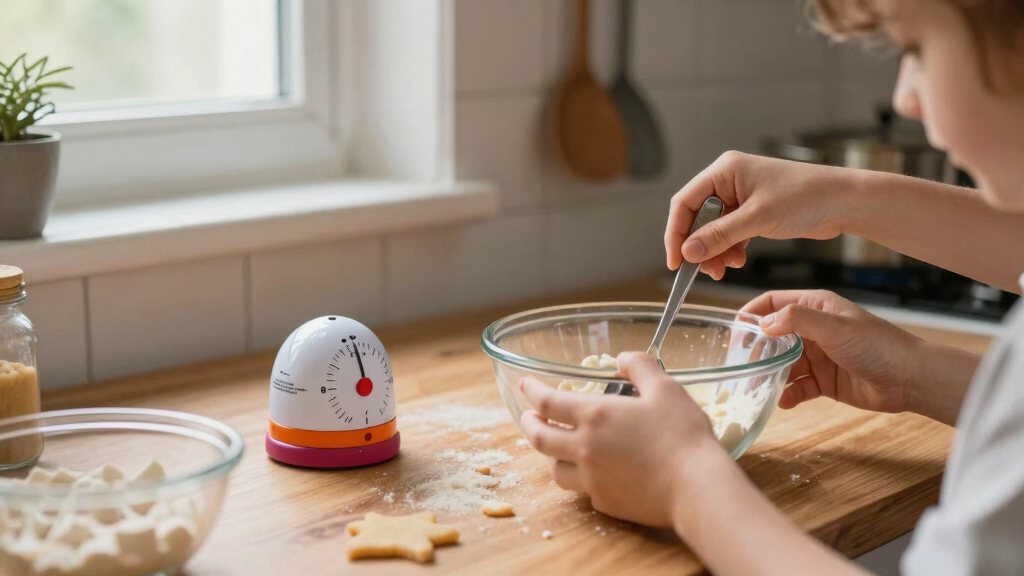
- Routine-based timing games. Turn daily chores into timing adventures. For example, see if they can brush their teeth for the length of a favorite song or wait for a cookie to cool down. These activities link abstract time to real-world experiences, emphasizing that time is a measurable and consistent aspect of daily life. They also teach patience and reinforce routine, which are crucial for developing a reliable internal clock.
As an affiliate, we earn on qualifying purchases.
How Visual Timers Make the Concept of a Minute Clearer
Visual timers are like magic windows into the flow of time. They show a colorful bar shrinking or a face that counts down as seconds tick by. For children, these visuals turn an invisible process into something they can see and understand.
Imagine a child watching a rainbow-colored bar reduce as they wait for their turn at the slide. That image helps them grasp how a minute passes—bit by bit—making the abstract concrete. The visual aspect reduces frustration, as children see their progress and feel a sense of control over the passage of time. This can be especially helpful for children who struggle with patience or have difficulty estimating durations, as it provides immediate, clear feedback that supports their learning process.
According to Alphabet Clock, using these tools accelerates understanding, especially when paired with routine and active play. The key is consistency; the more children see and interact with visual timers in familiar contexts, the more natural their internal sense of time becomes.
As an affiliate, we earn on qualifying purchases.
The Power of Routine and Repetition in Teaching Time
Kids learn best through consistent experiences. When they see that breakfast takes about 10 minutes, or that storytime lasts a single song, their internal clock begins to get a sense of how long things last.
But beyond just recognizing durations, routines teach children about predictability and reliability. When children repeatedly experience the same activities with consistent timing, they start developing an intuitive understanding of how long different tasks take. This isn’t just about passing the time—it’s about building confidence and reducing anxiety. Knowing exactly how long a task should take helps children feel secure and in control, which can lead to better self-regulation and patience. For instance, if a child knows brushing their teeth takes two minutes, they’re less likely to fidget or rush, fostering a sense of mastery over their routines.
Repetition also highlights the tradeoff between effort and duration—children learn that some activities, like cleaning up or waiting, are worth the patience because they lead to a satisfying outcome. Over time, these repeated experiences help children develop an internal sense of how long things take, which is foundational for planning and time management skills.
In essence, structured routines and repeated timing activities aren’t just about keeping things on schedule—they shape a child’s understanding that time is a measurable, predictable resource that they can learn to manage and respect.
As an affiliate, we earn on qualifying purchases.
Frequently Asked Questions
At what age can children reliably understand how long a minute is?
Most children begin to understand the concept of a minute between ages 4 and 6. But it varies depending on their experiences and exposure to timing activities. Consistent practice accelerates this understanding.
What are the best activities to teach a child about time?
Activities like using colorful timers, playing “stop and go,” and routines such as brushing teeth to music are highly effective. These make the passing of time tangible and memorable for kids.
How can I help my child improve their sense of time?
Incorporate visual timers, routine-based activities, and playful waiting games into daily life. Repetition and patience help their internal clock develop naturally.
Are there specific tools or apps recommended for teaching time?
Yes, many colorful, kid-friendly timers and apps are designed for learning time. Look for tools with visual countdowns, bright colors, and interactive features to keep children engaged.
What are signs that a child is struggling with understanding time?
If your child often loses track of routines, is late frequently, or seems confused about durations, they might need more targeted timing activities and visual aids to support their learning.
Conclusion
The secret to teaching a child how long a minute is lies in making it real—through play, routine, and visual aids. When they start to feel time passing, they gain confidence in managing their world.
Remember, patience and consistency are your best tools. Before long, that elusive minute becomes a familiar, friendly friend in your child’s growing world of understanding.
Columbus Day / Indigenous Peoples' Day Picks
long weekend sales
As an affiliate, we earn on qualifying purchases.