TL;DR

Get decor and gifts delivered free with Prime
- Fast, free delivery on millions of items
- Prime Video, Amazon Music and more included
- Member-only deals all year
Zillow’s 2027 home trends report tracks how often features and design terms appear in for-sale listings. It reports increases in mentions of AI, analog rooms, flexible work and recreation spaces, accessibility features, wellness areas and catios; the figures describe listing language, not proven buyer preferences or sales results.
Zillow’s 2027 home trends report identifies seven categories showing changes in listing language, including AI and analog spaces, flexible rooms, aging-in-place features, wellness areas and catios. The figures measure how often terms appear in for-sale listings compared with the prior year; they do not establish that buyers will choose homes with those features or that the features raise sale prices.
The report finds a simultaneous rise in mentions of technology and spaces intended for less screen time. AI mentions rose 119%, the largest year-over-year jump in the report, while app-controlled home systems rose 34%. Listings mentioning libraries and music rooms—examples Zillow groups as analog spaces—were 34% more common than a year earlier.
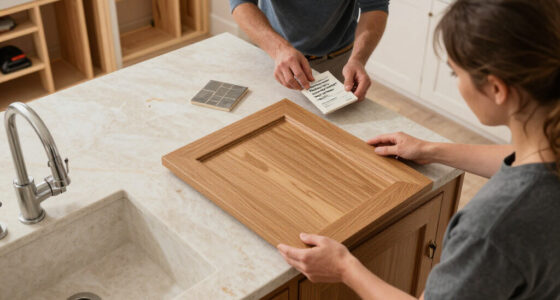
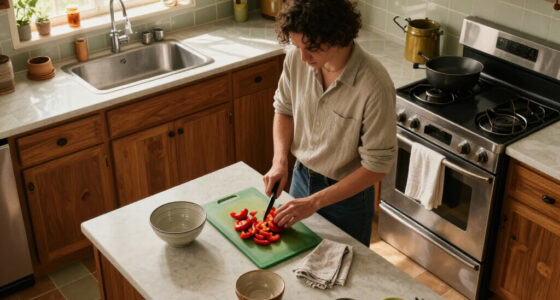
Some traditional design and kitchen terms appeared less often. Zillow reported that mentions of “elevated” interiors rose 71%, while “cozy” fell 22%, “eclectic” fell 19% and “boho” fell 13%. Color-drenched spaces rose 84%. Chef’s-kitchen mentions fell 21% and gourmet-kitchen mentions fell 15%, while home offices rose 42%, media rooms 37% and flex spaces 35%.
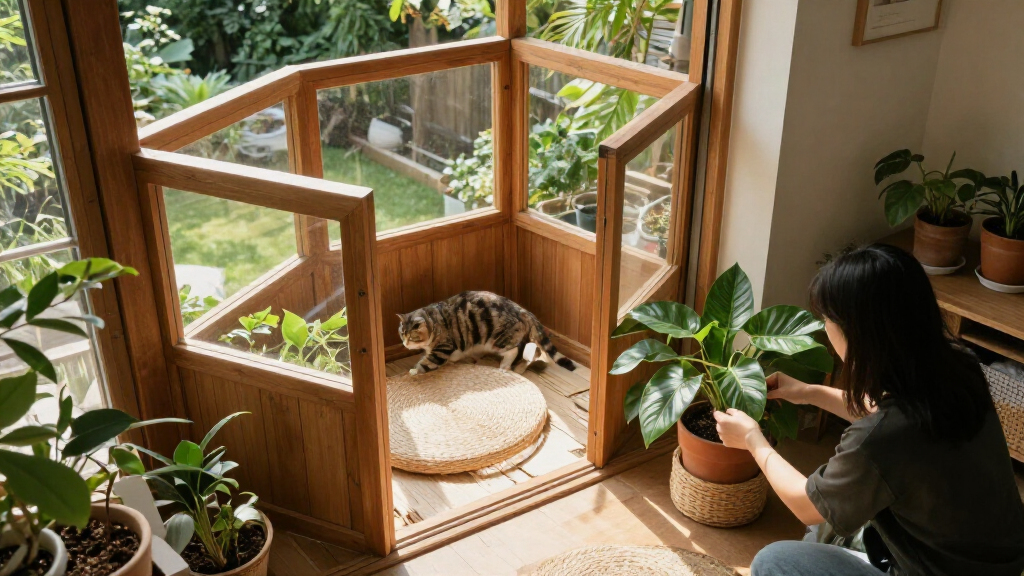
The other reported categories cover household systems, caregiving, recreation and pets. Mentions of whole-home batteries rose 43%, fresh-air ventilation systems 52%, home gyms 18%, spa-inspired bathrooms 60% and multigenerational living 58%. Listings mentioning catios—screened outdoor spaces for cats—rose 32%. Zillow also reported declines in the listing use of the words “sustainable” and “green,” each down 26%; that does not establish a decline in the actual availability of energy-efficient homes.
What Listing Trends Can Signal
The report offers homeowners and prospective sellers a snapshot of the features currently receiving more attention in listing descriptions. Its mix of work-from-home and recreation rooms, accessibility details and backup systems suggests that listings are describing homes in terms of varied daily needs, rather than focusing only on finishes or kitchens.
But the figures are best read as a measure of how listings are written, not a direct survey of what buyers want. More frequent mentions may reflect sellers’ marketing choices, changing terminology or a real increase in those features. The source material does not show which explanation accounts for each change, nor does it link the terms to sale prices or buyer decisions.
Products Worth Considering

WORX WG176 20V Cordless Brushless String Trimmer, 13–15-Inch

EGO POWER+ 16-Inch Cordless String Trimmer with 4.0Ah Battery and Charger (ST1623T)

DEWALT 8-1/4-Inch Portable Table Saw with Stand
As an affiliate, we earn on qualifying purchases.
How Zillow Counts the Trends
Zillow’s annual report tracks whether selected words and phrases appear more or less often in its for-sale listings than in the preceding year. The reported percentages are year-over-year changes in mentions, not percentages of homes with a feature. For example, the 32% increase for catios does not mean that 32% of listings have one.
The seven categories span digital and analog living, elevated interiors, safety and efficiency, flexible rooms, aging in place, wellness and hobbies, and pet-friendly outdoor spaces. Zillow’s cited examples include grab bars, wider doorways and nurseries, as well as cold-plunge pools and hobby rooms. The source article presents these as trends identified by Zillow, not as a guarantee of future demand.
“Mentions of AI are up 119%, which is the largest year-over-year jump in this year’s data.”
— Zillow report, as quoted by Veranda
What Listing Mentions Do Not Show
The supplied report does not provide the total number of listings analyzed, the underlying counts for each term, or a breakdown by region and price range. It also does not specify whether a home with several mentions is counted once or more than once. Those details limit comparisons and make it difficult to assess how widespread any feature is.
It remains unclear whether the shifts reflect changing buyer preferences, changes in the homes being listed, sellers’ marketing strategies or a combination of factors. The report’s wording about what buyers may want is a prediction based on listing data, not evidence that the features will increase a home’s value or help it sell faster.
How Sellers May Use the Findings
Zillow’s report frames the trends as a guide for people planning renovations or preparing to sell, but the data alone does not establish which upgrades are financially worthwhile. Homeowners can use the findings as a prompt to compare local listings and consider which features suit their household, rather than treating a national increase in listing mentions as a renovation recommendation.
The next useful evidence would include buyer surveys, regional listing data and sale outcomes tied to specific features. Until then, the report remains a snapshot of listing descriptions, and whether these terms translate into stronger buyer interest or higher prices is not established.
Key Questions
What are the seven home-trend categories Zillow identified?
They are quiet tech and analog spaces, elevated interiors, safety and efficiency, flex spaces, aging in place, wellness and hobby rooms, and catios.
Does a 32% rise in catio mentions mean 32% of homes have catios?
No. Zillow’s figure describes a year-over-year increase in listing mentions. The report does not say what share of all homes for sale include a catio.
Which listing terms rose the most?
Among the figures cited, AI mentions rose 119%, color-drenched spaces rose 84%, and spa-inspired bathrooms rose 60%. These are changes in listing language, not confirmed increases in sales or buyer demand.
Do the findings show that these features raise home values?
No. The source material reports changes in how often terms appear in listings and does not provide sale-price or resale-value evidence tied to those features.
Source: veranda.com