TL;DR
A House Beautiful report asked interior designers which humble secondhand and inherited objects can make a home feel more personal. Their suggestions include heirlooms, artwork, pottery, everyday kitchen items, mirrors, table lamps and small tabletop decor; the designers’ views are advice, not evidence that these finds will raise a home’s value.
Interior designers interviewed by House Beautiful say homeowners do not need expensive antiques to make a space feel personal: inherited objects and inexpensive secondhand finds can add visual character and a sense of history. Their suggestions span nine categories, from family heirlooms and artwork to pottery, mirrors and table lamps, but the reported benefits are design opinions rather than measured outcomes.

Get decor and gifts delivered free with Prime
- Fast, free delivery on millions of items
- Prime Video, Amazon Music and more included
- Member-only deals all year
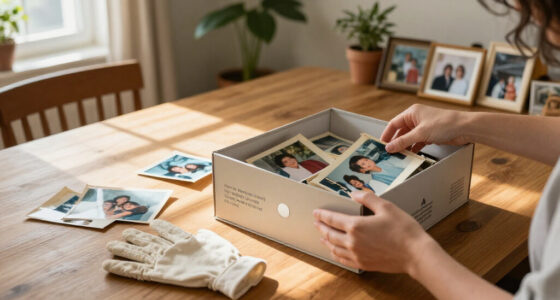
Designer Lauren Sullivan of Well by Design told House Beautiful that a room can feel more interesting when its objects are not all perfect or selected for their monetary value. She keeps her great-grandmother’s vanity set in her bathroom and a small bedside clock in her bedroom, combining the older pieces with contemporary finishes. Sullivan said the objects are not especially valuable in financial terms, but matter to her because they have been passed down through generations.
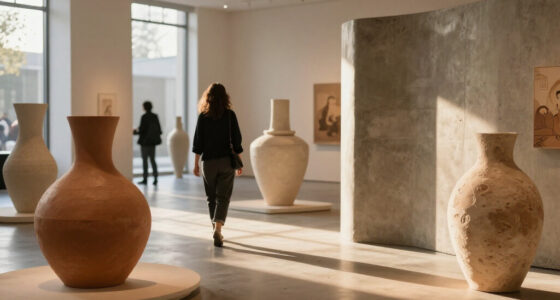
For shoppers without family heirlooms, designers recommend looking at artwork, pottery and ceramics in flea markets, antique shops and thrift stores. Becca Meyer of BB Meyer Design said some of her favorite art came from those markets for little money, and she prefers such finds to mass-produced prints. Sullivan pointed to smaller paintings, prints and silhouettes, including an inexpensive print in a vintage frame, as ways to add personality without a major investment. Brooke Snyder of Design Hutch said pottery and ceramics can make a room feel more curated; designers also value their irregular shapes, varied glaze and signs of use.
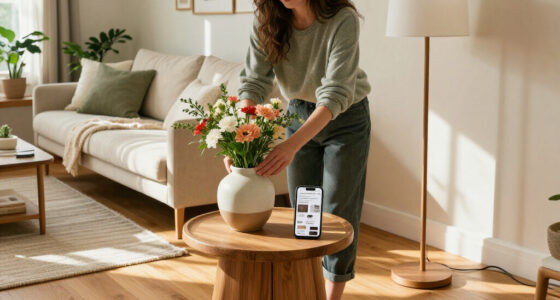
The remaining ideas put useful objects to work as decor: vintage plates, copper pots, woven baskets, mirrors, table lamps and small tabletop pieces such as candleholders, books and trays. Joe Waroquier said worn finishes and patina can bring warmth when paired with contemporary furnishings. Snyder described antique table lamps as a way to add visual interest and ambient light without the hardwiring required for wall sconces. Meyer said ceramics can hold utensils, branches or flowers, provided they are safe for their intended use.
Character Without a Costly Antique
The advice matters to readers furnishing a home on a budget because it shifts attention from an item’s price or rarity to how it looks and functions in a room. Designers interviewed for the report suggest that modest finds can supply texture, contrast and personal meaning, especially alongside newer furniture and finishes. A family keepsake may carry a story; a secondhand plate or lamp can introduce variation without requiring a room to be furnished entirely with antiques.
These are professional design judgments, not a guarantee that any thrift-store purchase will suit a space or retain resale value. The report does not compare prices, evaluate the condition of specific objects, or establish that vintage decor increases property value. Its practical takeaway is narrower: shoppers can consider ordinary, affordable objects as decor instead of searching only for rare or expensive pieces.
Products Worth Considering

Greenworks 80V Cordless Electric Leaf Blower with 2.5Ah Battery and Charger

Bosch GTS15-10 10-Inch Portable Jobsite Table Saw with Gravity-Rise Wheeled Stand

WORX Landroid Vision Cloud WR310 Robot Lawn Mower for Up to 1/4 Acre
As an affiliate, we earn on qualifying purchases.
From Heirlooms to Market Finds
The report frames thrifting as a search where high-value discoveries are possible but not necessary. Sullivan’s examples show two distinct sources of character: objects with family history and modest pieces selected for their appearance or usefulness. The designers’ recommendations are broad categories rather than a checklist of particular shops, makers or price limits.
Several suggestions rely on contrast: aged surfaces against contemporary materials, irregular handmade pottery among refined finishes, or mismatched plates displayed together. Others are functional as well as decorative, including lamps, baskets, pots and ceramics. The source does not provide a market survey or independent testing; it presents the designers’ experiences and preferences as guidance for readers browsing secondhand stores.
“A collected home is much more interesting when everything isn’t perfect or chosen for its monetary value.”
— Lauren Sullivan, Well by Design
Condition, Safety and Suitability
The report does not specify typical prices, how often shoppers find these objects, or whether the suggested categories are affordable in every location. It also does not establish that a particular piece is old, handmade or safe simply because it is sold secondhand. Buyers still need to check an item’s condition and intended use; Meyer’s advice about using pottery functionally is qualified by the requirement that it be safe for that purpose.
Whether any find improves a particular room depends on its scale, condition and relationship to the rest of the space. The designers offer examples and preferences, not a promise of a specific result or financial return. The source gives no follow-up data on how homeowners used the suggestions.
How Shoppers Can Apply the Advice
The report gives no scheduled follow-up or next milestone. For readers using its recommendations, the next step is to browse local thrift stores, flea markets and antique shops with these categories in mind, while also considering objects already in the family. Look beyond labels and price tags to condition, function and fit: a small framed print, a useful lamp or a worn basket may be more suitable than a costly statement antique.
Before buying, check that an object works for its intended use and fits the room. The designers’ broader suggestion is to combine older pieces with contemporary furnishings rather than trying to make every item match. Whether that mix creates the desired effect will depend on each home and the objects chosen.
Key Questions
Which nine types of finds do the designers recommend?
The report covers inherited heirlooms, artwork, pottery and ceramics, everyday objects used as decor, mirrors, table lamps and tabletop decor. Everyday objects include plates, copper pots and woven baskets; tabletop pieces include candleholders, books and trays.
Do these items need to be expensive antiques?
No. The designers interviewed by House Beautiful recommend looking for pieces that add personality, texture or function, including inexpensive finds from flea markets and antique shops. Their advice is about design, not a guarantee of financial value.
How can secondhand objects work with modern furniture?
Waroquier said he likes combining objects with patina or worn finishes with contemporary furnishings. The contrast, in his view, can make a room feel more personal and collected.
Can vintage pottery be used in the kitchen?
Meyer suggested using ceramics to hold utensils, branches or flowers, while the report qualifies functional use with the condition that the item be safe for its intended purpose. The source does not provide specific safety tests or standards.
Source: housebeautiful.com