
TL;DR
Daylight saving time shifts clocks to extend evening daylight, originally to save energy. Its benefits are debated, and health impacts are real. Legislation for permanent time is ongoing.
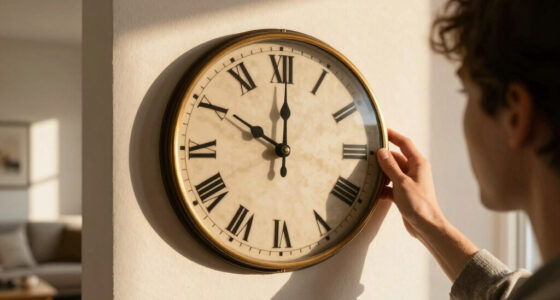
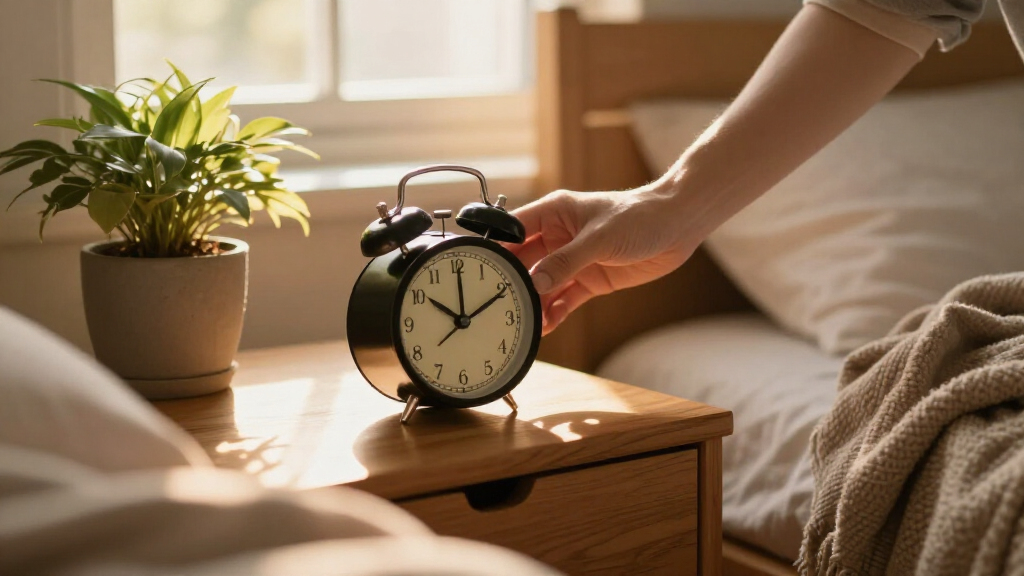
Every spring, millions of clocks jump forward, and in fall, they fall back. But why do we do this? Behind the seemingly simple act lies a tangled history, myths, and ongoing debates about health, energy, and convenience.
If you’ve ever wondered whether daylight saving time truly benefits us or if it’s just an outdated habit, you’re not alone. Understanding the real reasons helps you see the clocks in a new light — and maybe question whether it’s time for a change.
The original intent of DST was to conserve coal during WWI, not to give us more evening daylight.
Modern energy savings from DST are minimal, often canceled out by increased heating, cooling, and driving.
Many myths, like DST being for farmers or invented by Franklin, are false — understanding the truth helps clarify the debate.
Legislation and public opinion are shifting toward ending seasonal clock changes, with some countries already doing so.
Clock changes impact health — losing or gaining an hour affects heart health, accidents, and sleep patterns. Adjust gradually to ease the transition.
What Exactly Is Daylight Saving Time and How Did It Start?
Daylight Saving Time (DST) is the practice of shifting clocks by one hour during warmer months so evenings have more daylight. It begins on the second Sunday in March and ends on the first Sunday in November in most parts of the US.
It sounds simple, but its roots go back centuries. Benjamin Franklin jokingly suggested waking earlier in 1784 to save candles. Yet, the serious push started in 1895 with New Zealand entomologist George Vernon Hudson, and British builder William Willett campaigned for it in 1907.
Germany first adopted DST in April 1916 during WWI to save coal. Britain and the US followed soon after. The US experimented with it, then standardized it with the 1966 Uniform Time Act, which was extended in 2007 to cover most of the year.

Hatch Restore 3 Sunrise Alarm Clock & Sound Machine, Smart Light (Putty)
𝗖𝗿𝗲𝗮𝘁𝗲 𝗵𝗲𝗮𝗹𝘁𝗵𝘆 𝘀𝗹𝗲𝗲𝗽 𝗵𝗮𝗯𝗶𝘁𝘀: 𝖱𝖾𝗌𝗍𝗈𝗋𝖾 𝟥 𝗂𝗌 𝖽𝖾𝗌𝗂𝗀𝗇𝖾𝖽 𝗍𝗈 𝗁𝖾𝗅𝗉 𝗒𝗈𝗎 𝖻𝗎𝗂𝗅𝖽 𝖺 𝖻𝖾𝖽𝗍𝗂𝗆𝖾 𝗋𝗈𝗎𝗍𝗂𝗇𝖾 𝗍𝗁𝖺𝗍 𝗊𝗎𝗂𝖾𝗍𝗌 𝗒𝗈𝗎𝗋…
As an affiliate, we earn on qualifying purchases.
As an affiliate, we earn on qualifying purchases.
Why Do We Really Change Clocks — Is It About Saving Energy?
Many believe DST’s main goal was energy conservation. In reality, its original purpose was to cut down on artificial lighting during wartime to save coal. According to research, today’s energy savings are tiny — about 0.5% of electricity use, often offset by increased heating, cooling, and driving.
For example, during the 2005 extension of DST, studies showed little to no significant energy reduction. Instead, many experts think the real benefit lies in the extra evening daylight for shopping, recreation, and sports.
So, the energy savings myth persists, but the actual impact? Minimal at best.

Philips SmartSleep Wake-up Light, Colored Sunrise and Sunset Simulation, 5 Natural Sounds, FM Radio & Reading Lamp, Tap Snooze, HF3520/60
CLINICALLY PROVEN*: Philips wake-up lights are recommended by physicians and pharmacists for establishing a healthy sleep and wake…
As an affiliate, we earn on qualifying purchases.
As an affiliate, we earn on qualifying purchases.
Myths and Misunderstandings About DST — What’s True and What’s Not?
Many myths surround DST. One big myth? That it was created for farmers. In fact, farmers opposed it because it disrupted their schedules with livestock and markets. The idea that Benjamin Franklin invented DST is also false; he only satirized the concept.
Another common myth is that DST saves significant energy — research shows the savings are tiny, often canceled out by increased heating or car use. And yes, it’s technically called “Daylight Saving Time,” not “Savings.”
Understanding these myths helps you see past the misconceptions and focus on the real reasons behind the clock changes.
adjustable daylight alarm clock
As an affiliate, we earn on qualifying purchases.
As an affiliate, we earn on qualifying purchases.
Will We Ever Abandon the Clock Changes? Here’s What’s Happening Now
Legislation to make DST permanent has been in the works for years. The Sunshine Protection Act, passed by the Senate in 2022, aimed to make DST year-round but stalled in the House. Many states support permanent DST or standard time, waiting for federal approval.
Meanwhile, the European Union proposed ending seasonal clock changes, but implementation has been delayed. Countries like Mexico and Russia have already abandoned clock changes, moving to permanent standard time or stopping DST altogether.
Public opinion leans toward ending the biannual switch — polls show about 60% of Americans want it to stop. The debate is ongoing, but change is coming, whether legislated or not.

AI Smart Sleep Mask Aid Machine, Sleep Eye Mask with Sleep Monitoring, APP Control, White Noise & Meditation Music, 3D Breathable Light Blocking Eye Cover for Travel, Home, Office Naps (Black)
ADVANCED AI SLEEP ASSIST SYSTEM:Equipped with built-in DreamPilot adaptive sleep system; learns sleep habits continuously and adjusts massage…
As an affiliate, we earn on qualifying purchases.
As an affiliate, we earn on qualifying purchases.
Health and Safety — How Changing Clocks Affects Your Body and Mind
Switching clocks isn’t just a minor inconvenience; it affects your health. Losing an hour in spring can trigger a 24% increase in heart attacks, plus more accidents and workplace injuries. Gaining an hour in fall can disrupt sleep patterns and mood.
The main issue? Our internal clock, or circadian rhythm, struggles to adapt quickly. Morning light helps reset your internal clock, which is why some experts recommend adjusting bedtime 15–20 minutes earlier a few days before the change.
In 1974, the US tried permanent DST during an energy crisis, but support collapsed because of dark winter mornings and safety concerns. The lesson? Aligning clocks with our natural rhythms matters.
What Time Do Clocks Actually Change, and Why 2 a.m.?
The official switch usually happens at 2:00 a.m. local time. This time was chosen because it’s late enough to avoid disrupting most people’s routines but early enough to minimize chaos. The goal? Keep the change as smooth as possible.
For example, in the US, the clocks spring forward at 2:00 a.m. on Sunday, when clocks turn to 3:00 a.m., and fall back when they turn back to 2:00 a.m. This timing helps prevent problems with transportation and business.
Ever wonder why not midnight? Because 2 a.m. is a quiet time when few people are out, and it helps avoid confusion across different time zones and schedules.
Frequently Asked Questions
When do the clocks change this year?
In the US, clocks spring forward at 2:00 a.m. on the second Sunday in March and fall back at 2:00 a.m. on the first Sunday in November. Remember the mnemonic: “Spring forward, fall back.”
Why do we have daylight saving time at all?
Daylight saving time was originally created to save energy by extending evening daylight, giving us more time for outdoor activities, shopping, and recreation during the longer, warmer months.
Was DST invented for farmers?
No — farmers actually opposed DST because it disrupted their schedules. The idea was driven by energy concerns, not agriculture, and farmers prefer consistent schedules aligned with the sun.
Which countries or states don’t observe DST?
Hawaii and most of Arizona don’t observe DST. Several other countries, like Russia and Mexico, have abandoned clock changes altogether, moving to permanent standard time or permanent DST.
Does DST actually save energy?
Research shows the savings are tiny — around 0.5% of electricity use — and often offset by increased heating, cooling, and driving. So, the energy benefit is more myth than reality today.
Conclusion
Changing clocks is a habit rooted in history, but its benefits are increasingly questioned. As legislation and public opinion move toward ending the biannual switch, it’s worth considering whether aligning our clocks more closely with our natural rhythms could improve health and safety.
Next time your clock jumps, think about whether it’s time to stop the madness — and maybe, just maybe, let the sun decide when you start and end your day.