
TL;DR
Most children can understand the 24-hour clock around ages 8-10, especially if they already know the 12-hour system. Using visual aids, real-life examples, and fun tools makes learning engaging and practical. This skill boosts their time management and numerical skills, especially in a connected world.
Imagine your child confidently reading a train schedule or a flight ticket without a second thought. That’s the power of understanding the 24-hour clock. It’s not just for military or aviation buffs; it’s a practical skill that helps kids navigate a world filled with digital schedules, international travel, and tech-savvy environments.
Introducing this system at the right time and in the right way can turn a confusing concept into a natural part of their time-telling toolkit. Ready to learn when and how to teach kids 24-hour time? Let’s dive in.
Introduce 24-hour time when children are comfortable reading digital clocks, usually around ages 8-10.
Use visual aids like charts and real-life examples to make conversion clear and relatable.
Turn learning into a game with puzzles, stories, and apps for better engagement.
Understand that most countries use the 24-hour system, so early familiarity offers practical advantages.
Consistency and patience are key — integrate 24-hour time gradually into daily routines.
Parent & educator field guide
24-Hour Time for Kids: When and How to Introduce It
Most children are ready between ages 8 and 10—once the 12-hour clock feels familiar. A gradual mix of comparisons, real schedules, and playful practice turns an unfamiliar format into a practical life skill.
Readiness matters more than a birthday.
No AM or PM—and no repeated hour labels.
Over 70% of countries use it officially.
01 / Readiness before rules
Start when the foundation feels secure
The best signal is not age alone. Introduce 24-hour time when a child can read a digital clock, understands morning versus afternoon, and can use familiar times in a simple schedule.
Your child may be ready if they can…
- Read hours and minutes on a digital display.
- Tell whether an activity happens in the morning or afternoon.
- Understand noon, midnight, “half past,” and “quarter past.”
- Follow a short timetable for school, meals, or activities.
- Add or subtract 12 from a number with some confidence.
Ages 8–10 are the usual sweet spot
Earlier exposure can stay informal. If the 12-hour system is still difficult, strengthen that skill first and revisit 24-hour time without pressure.
02 / The three-step method

Lenwen 26 Pcs Classroom Clock Kit 24 Hours Learn to Tell Time Teaching Clock Toy for Kids Teaching Time Resources for Kids Learning Teacher Classroom Supplies (Yellow)
Clock Kit: the package includes 1 big clock for kids, 25 mini geared clocks that can see 24…
As an affiliate, we earn on qualifying purchases.
As an affiliate, we earn on qualifying purchases.
Compare it. Use it. Play with it.
Keep lessons short and concrete. The goal is flexible understanding—not memorizing a wall of numbers in one sitting.
Start with comparisons
Place familiar 12-hour times beside their 24-hour partners. Explain that counting continues after 12 noon instead of starting over at 1.
2:00 PM → 14:00Use real-life examples
Read train times, TV guides, alarms, sports schedules, or travel itineraries. Connect every conversion to an activity the child recognizes.
DINNER 7:00 PM → 19:00Turn practice into play
Match flashcards, solve schedule puzzles, or run a timed scavenger hunt. Stories about travelers, pilots, or explorers add memorable context.
MATCH 21:15 ↔ 9:15 PM03 / See the logic

Sumind 8 Pieces Slide Puzzles for Kids, 15 Colorful Number Puzzle Game, Plastic IQ Blocks Toys Brain Training Teaser Gift Party Favor Toys Educational Learning for Boys Girls Kids Adults
You Will Receive: the package comes with 8 pieces plastic slide puzzles in 4 colors, and each puzzle…
As an affiliate, we earn on qualifying purchases.
As an affiliate, we earn on qualifying purchases.
One day, one uninterrupted sequence
The 12-hour clock repeats its hour labels twice. The 24-hour clock names every minute of the day only once, which removes ambiguity from schedules and timestamps.
| Part of day | 12-hour clock | Conversion action | 24-hour clock |
|---|---|---|---|
| Morning breakfast | 7:00 AM | ✓ Keep the hour; add a leading zero | 07:00 |
| Midday | 12:00 PM | ~ Noon stays 12 | 12:00 |
| Afternoon activity | 3:30 PM | ✓ Add 12 to the hour | 15:30 |
| Evening dinner | 7:00 PM | ✓ Add 12 to the hour | 19:00 |
| Late night | 11:45 PM | ✓ Add 12 to the hour | 23:45 |
| Midnight | 12:00 AM | ✗ Do not keep 12; reset to 00 | 00:00 |
After noon, add 12
For times from 1:00 PM through 11:59 PM, add 12 to the hour. Minutes never change. Noon and midnight are the two special anchors to teach separately.
Both systems describe the same 24-hour day. The difference is whether the hour count repeats after noon or continues forward.
04 / Make it stick
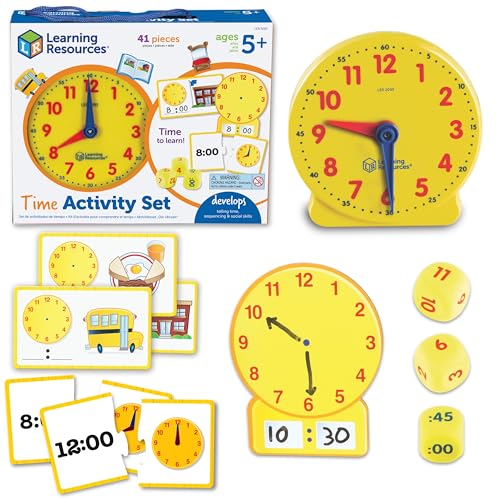
Learning Resources Time Activity Set – Kids Learning Clock, Classroom Clocks for Students, Telling Time Teaching Clock, Analog Clocks for Kids, Teaching Classroom Supplies
HANDS-ON TIME LEARNING: Kids explore time concepts using a realistic analog clock with moving hour and minute hands,…
As an affiliate, we earn on qualifying purchases.
As an affiliate, we earn on qualifying purchases.
Small daily encounters beat a long lesson
Integrate the format gradually. A few minutes of relevant practice builds stronger understanding than repetitive worksheets alone.
Morning mission
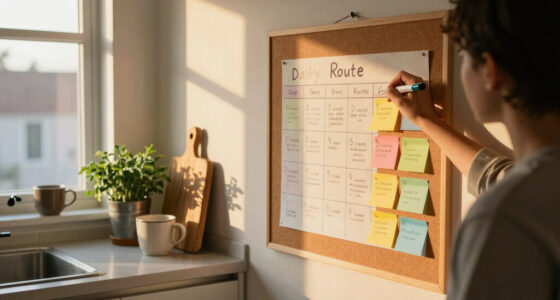
Label wake-up, breakfast, and school departure in both formats. Let the child update one time each day.
07:30 = ? AMSchedule detective
Use a real train, flight, event, or TV schedule. Ask which activity happens first and how long the gap is.
DEPART 16:20 / ARRIVE 17:05Time-match cards
Create pairs such as 4:10 PM and 16:10. Turn them face down and play a simple memory-matching game.
PAIR 20:40 WITH 8:40 PMDevice switch
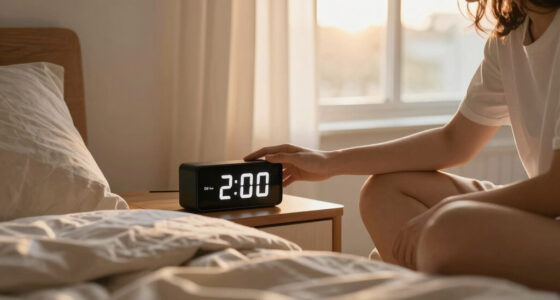
Temporarily set a safe household device to 24-hour display and discuss the times that appear during the day.
WHAT WILL 2:00 PM SHOW?Travel story
Invent a day in the life of a traveler. Build a timeline with check-in, departure, arrival, and dinner.
BOARDING BEGINS 18:35Reverse challenge
Once +12 feels easy, work backward. For hours 13 through 23, subtract 12 to find the PM time.
22:15 − 12 = 10:15 PMTeach 24-hour time when the 12-hour clock is comfortable—usually around ages 8–10. Use visual comparisons, meaningful schedules, and playful repetition. Patience and consistency turn conversion into confident, practical understanding.
Learning Resources Time Activity Set – Kids Learning Clock, Classroom Clocks for Students, Telling Time Teaching Clock, Analog Clocks for Kids, Teaching Classroom Supplies
HANDS-ON TIME LEARNING: Kids explore time concepts using a realistic analog clock with moving hour and minute hands,…
As an affiliate, we earn on qualifying purchases.
As an affiliate, we earn on qualifying purchases.
What is the 24-hour clock, and why does it matter for kids?
The 24-hour clock runs from 00:00 at midnight to 23:59 at night, replacing the AM/PM system with a straightforward numerical sequence. This system provides a continuous, unambiguous way of telling time that reduces confusion, especially in international contexts. For children, understanding it isn’t just about reading numbers; it’s about grasping a more precise and universally accepted way of communicating time. This can prevent misunderstandings in schedules, travel, and digital communications that often use 24-hour formats.
Why does this matter? Because in a globalized world, children will inevitably encounter different time conventions. Knowing the 24-hour system allows them to interpret international schedules, digital timestamps, and travel itineraries accurately—preventing costly mistakes or confusion. It also promotes a deeper understanding of how systems are designed for clarity and efficiency. Recognizing the logic behind the 24-hour clock helps children see that timekeeping isn’t arbitrary but a thoughtfully organized system that prioritizes precision and universality. This understanding can foster critical thinking about how different cultures and professions approach everyday problems.
When is the right age to start teaching 24-hour time?
The ideal age to introduce the 24-hour clock is when your child has already developed a good understanding of the 12-hour system—typically around ages 8 to 10. At this stage, they’re building the cognitive skills needed to grasp more complex concepts and can handle the numerical differences involved. If they’re still mastering concepts like “quarter past” or “half past,” focusing on those foundational skills first ensures they’re not overwhelmed.
When children show confidence in reading digital clocks and understanding schedules—such as knowing that 3:00 PM equals 15:00—they are demonstrating readiness. Recognizing this readiness isn’t just about their ability to read numbers; it’s about their capacity to understand the significance of these formats in real-world contexts. Introducing the 24-hour clock too early may lead to confusion or frustration, while waiting too long can delay their ability to interpret international schedules accurately. The optimal window balances their developmental readiness with the increasing prevalence of 24-hour formats in daily life, especially as they begin to encounter travel, media, and digital devices more frequently. Early exposure within this window can foster adaptability, cultural awareness, and precision in their understanding of time, which are increasingly valuable skills in our interconnected world.
How to teach the 24-hour clock in 3 simple steps
- Start with comparisons: Show how 12-hour and 24-hour times relate—like 2:00 PM and 14:00. Use visuals like clocks or digital displays to highlight the difference. Explaining the relationship helps children see that the 24-hour system is a logical extension of the familiar 12-hour clock, reducing cognitive load and building confidence. Clarify that the 24-hour clock continues counting past 12 noon, which can initially seem counterintuitive but makes sense once understood as a single, uninterrupted sequence. This understanding can help children interpret schedules accurately, especially in contexts like travel, military, or aviation, where precision is critical. It also emphasizes the importance of context—why certain systems are used in different settings and how they serve efficiency and clarity. Recognizing these differences enables children to switch flexibly between formats depending on the situation, a skill that enhances their adaptability and problem-solving abilities in real-world scenarios.
- Use real-life examples: Read schedules, TV guides, or travel itineraries together. Practice converting times in daily routines, like setting alarms or planning meals. These practical activities demonstrate that understanding the 24-hour clock isn’t just academic but essential for everyday life. For example, converting 7:00 PM to 19:00 helps children see the direct link between the two formats, fostering flexibility and problem-solving skills. Understanding why these conversions matter—such as catching a train or reading an international broadcast—helps children appreciate the relevance. This contextual approach shows that mastering 24-hour time isn’t just about rote memorization but about developing a toolkit for navigating a world where accurate time interpretation can be crucial for safety, punctuality, and communication.
- Make it fun with games: Create puzzles, flashcards, or interactive apps that challenge kids to match times or convert between formats. Turn learning into a game they enjoy. Gamification encourages engagement, motivation, and retention. For instance, a scavenger hunt where children find clocks showing specific times—both 12-hour and 24-hour—can reinforce their understanding while making learning active and enjoyable. Incorporating storytelling elements, such as a day in the life of a traveler or a sailor, can also embed the concept in memorable narratives. The key is to show that understanding 24-hour time isn’t just a school task but a valuable skill for real-world adventures and responsibilities. When children see the practical benefits—like being able to read international schedules or coordinate activities across time zones—they’re more motivated to master it, recognizing its importance beyond just schoolwork.
How to compare 12-hour and 24-hour clocks side-by-side
| 12-Hour Clock | 24-Hour Clock |
|---|---|
| 7:00 AM | 07:00 |
| 12:00 PM | 12:00 |
| 3:30 PM | 15:30 |
| 11:45 PM | 23:45 |
Making 24-hour time fun and engaging for kids
Kids learn best when they’re having fun. Use colorful clock models, digital apps, or printable charts to make converting times exciting. Turn it into a challenge—who can convert times fastest? Or create stories where the clock’s times change as part of an adventure. Making learning playful helps solidify concepts and reduces frustration, especially when children encounter unfamiliar formats. Incorporating storytelling or themed activities—like imagining being a pilot or a ship captain—can make the abstract numbers come alive, fostering imagination and contextual understanding. It also encourages perseverance and curiosity, essential traits for mastering new skills. When children see that understanding 24-hour time is a practical, useful tool in their everyday life and adventures, they’re more likely to engage actively and retain what they learn.
For example, you might tell a story about a pirate ship that sets sail at 18:30. Your child then converts that to 6:30 PM, connecting the abstract number to a vivid scene. This storytelling not only makes the concept memorable but also helps children understand the real-world importance of being able to read and interpret times accurately. When kids realize that these skills can help them in travel, emergencies, or organizing their day, they become more motivated to learn and apply the concept with enthusiasm and confidence.
Frequently Asked Questions
At what age should I start teaching my child the 24-hour clock?
Most children are ready around ages 8 to 10, once they’re comfortable reading the 12-hour clock. Look for signs of confidence with digital clocks and schedules before introducing it.How can I make learning 24-hour time fun for my child?
Use colorful clocks, interactive apps, puzzles, and real-world scenarios like planning trips or reading TV guides. Turning it into a game helps solidify understanding and keeps their interest high.Is it necessary for children to learn the 24-hour clock?
While not mandatory everywhere, knowing 24-hour time provides a practical advantage—especially if your child travels, watches international shows, or aims for careers in fields like aviation or healthcare.How do I explain the difference between AM/PM and 24-hour time?
Show how 12-hour times repeat twice daily, while 24-hour times count from 00:00 to 23:59. Visual aids and examples make this distinction clear and easy to grasp.What resources can help teach my child about 24-hour time?
Look for educational websites, apps, printable charts, and clock models designed for kids. These tools make learning interactive and accessible.Conclusion
Teaching kids the 24-hour clock isn’t just about reading numbers; it’s about opening their eyes to a broader, more precise way of understanding time. With patience, creativity, and the right timing, you can turn this skill from confusing to second nature.
Imagine your child confidently checking a train schedule or understanding international TV times—ready for a world that runs on a 24-hour clock. It’s a simple step that can make a big difference in their daily life and future independence.