
TL;DR
Listen free for 30 days with Audible
Thousands of audiobooks and originals — cancel anytime.
Start your free trialAs an affiliate, we earn on qualifying purchases.
Ok-to-Wake clocks use visual signals like lights or images to show kids when it’s okay to get out of bed. They can be effective in establishing consistent routines, especially when paired with other sleep strategies. Effectiveness varies, but many parents see positive results within weeks.
Consistency is key: Use the clock daily to build a routine.
Choose a clock with clear, engaging visuals suited to your child’s age.
Combine the clock with good sleep habits like a bedtime routine.
Patience matters: It may take weeks to see real results.
Don’t rely solely on the clock — use it as part of a broader sleep strategy.
What exactly is an Ok-to-Wake clock and how does it work?
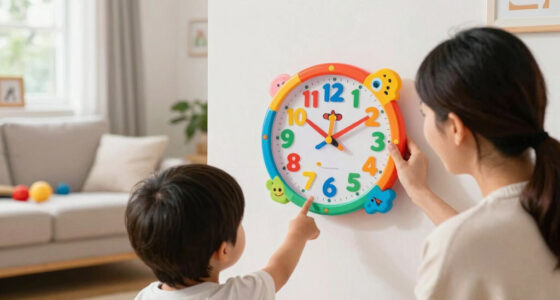
An *Ok-to-Wake* clock is a visual sleep training tool that signals to children when it’s okay to get out of bed. Typically, these clocks feature a color-changing light, a smiling face, or a simple ‘sleep’ and ‘wake’ indicator. When it’s time to wake up, the clock shifts from a calming color or image to a brighter, more inviting signal. This visual cue is crucial because young children often struggle with concepts of time and need concrete signals to understand expectations. The transition from a subdued to a vibrant display helps children associate specific visual cues with waking up, which can reinforce their understanding of routines. Over time, this consistency can foster a sense of independence, as children learn to listen to their own internal cues and recognize the significance of these signals. The effectiveness hinges on both the clarity of the signals and the child’s ability to interpret them—making the design and explanation of these cues vital for success.

ANNNGUL Kids Alarm Clock, Ok to Wake Clock with Green Light Red Light, Toddler Sleep Training Clock for Children
- Color Coded Wake Indicator: Uses green and red lights to signal wake times
- Customizable Night Light: 10 color options with adjustable brightness
- Simple, Intuitive Design: Easy-to-use buttons on the clock face
As an affiliate, we earn on qualifying purchases.
As an affiliate, we earn on qualifying purchases.
How do I pick the right Ok-to-Wake clock for my child?
Choosing the right clock depends on your child’s age, personality, and your family’s routine. Here’s a quick guide:
- Look for a clock with simple, engaging visuals — bright colors and friendly images work best.
- Check if it offers customizable settings to match your child’s sleep schedule.
- Consider whether you want additional features, like sounds or remote control via an app.
- Ensure it’s made with non-toxic, child-safe materials.
Beyond these practical considerations, think about how your child responds to visual stimuli and whether they need more sensory input to understand the cues. For instance, some children might respond better to a gentle light change, while others might need a combination of visual signals and soft sounds. The right choice can influence how quickly they adapt to the routine and how effectively they associate the signals with waking times. A well-chosen clock that aligns with your child’s preferences and developmental stage can significantly improve their understanding and compliance, reducing frustration for both child and parent.
ANNNGUL Kids Alarm Clock, Ok to Wake Clock with Green Light Red Light, Toddler Sleep Training Clock for Children
- Color Coded Wake Indicator: Uses green and red lights to signal wake times
- Customizable Night Light: 10 color options with adjustable brightness
- Simple, Intuitive Design: Easy-to-use buttons on the clock face
As an affiliate, we earn on qualifying purchases.
As an affiliate, we earn on qualifying purchases.
Can an Ok-to-Wake clock really change your mornings?
Yes, but with caveats. Many parents report that their kids stay in bed longer and wake up happier when the clock signals the right time. For example, a parent of a 3-year-old noticed her daughter stayed calm and stayed in bed until the light turned green, reducing her early morning calls. The reason this works is because visual cues tap into a child’s natural tendency to respond to concrete signals rather than abstract concepts like time. When children see a clear, consistent visual indicator, they learn to associate that cue with a specific routine, which can lead to more independent waking and less parental intervention. However, the success of this approach depends heavily on consistent use and the child’s understanding. If the signals are confusing, inconsistent, or if the child is not developmentally ready, the system may not be effective. Therefore, patience and clear communication are key to turning this tool into a morning success story.
ANNNGUL Kids Alarm Clock, Ok to Wake Clock with Green Light Red Light, Toddler Sleep Training Clock for Children
- Color Coded Wake Indicator: Uses green and red lights to signal wake times
- Customizable Night Light: 10 color options with adjustable brightness
- Simple, Intuitive Design: Easy-to-use buttons on the clock face
As an affiliate, we earn on qualifying purchases.
As an affiliate, we earn on qualifying purchases.
What features make some Ok-to-Wake clocks more effective?
Not all clocks are created equal. Here’s what to look for to boost success:
- Clear visual cues: Bright lights or expressive images that children easily understand. The more intuitive and engaging the signals, the faster your child will learn to interpret them, reducing confusion and frustration.
- Customizable schedules: Ability to set different wake times for weekdays and weekends. This flexibility helps accommodate varying routines and prevents the child from becoming overly dependent on a single cue, which can complicate routine adjustments.
- Gentle sounds: Optional soft sounds or music to ease waking. These can serve as additional reassurance, especially if the child is startled or reluctant to get up, but should be used carefully to avoid dependency on auditory cues alone.
- Remote control or app integration: For parents to adjust settings without disturbing the child. This feature allows for subtle management of the clock, making routine adjustments easier and less disruptive.
- Durability and safety: Non-toxic, sturdy materials designed for little hands. Ensuring the clock is safe and durable minimizes risks and encourages independent interaction, reinforcing the child’s confidence in the device.
ANNNGUL Kids Alarm Clock, Ok to Wake Clock with Green Light Red Light, Toddler Sleep Training Clock for Children
- Color Coded Wake Indicator: Uses green and red lights to signal wake times
- Customizable Night Light: 10 color options with adjustable brightness
- Simple, Intuitive Design: Easy-to-use buttons on the clock face
As an affiliate, we earn on qualifying purchases.
As an affiliate, we earn on qualifying purchases.
Conclusion
An Ok-to-Wake clock can turn early mornings into calmer, more predictable events — if you use it thoughtfully. It’s a simple tool that teaches independence and routine without yelling or extra alarms. Your child learns to listen to their own internal clock, and mornings become less stressful for everyone. Remember, no gadget replaces good sleep habits. But when paired with consistency and patience, an Ok-to-Wake clock can be a game-changer for your child’s mornings — and your sanity.College move-in / dorm season Picks
dorm essentials
As an affiliate, we earn on qualifying purchases.