TL;DR
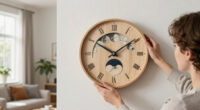
Emerging research indicates that modern interior decor might negatively affect brain function. Experts warn that certain design choices could contribute to mental fatigue. The full implications are still being studied.
Recent research suggests that modern interior decor styles may be contributing to increased cognitive strain among individuals, raising concerns about mental health impacts. While the findings are preliminary, experts warn that certain design elements could be affecting brain function, making this a noteworthy development for consumers and designers alike.
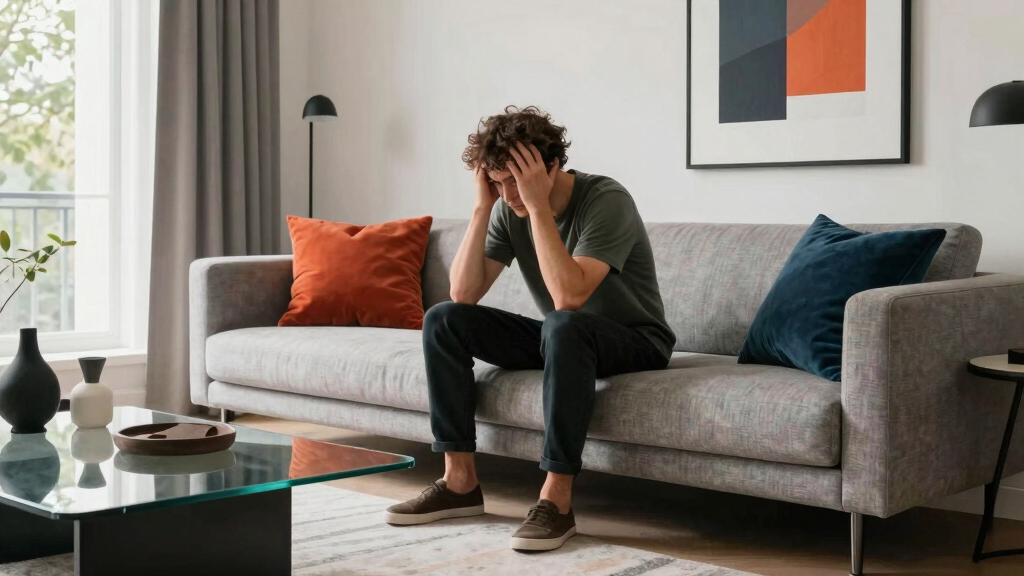
Multiple studies conducted over the past year have observed correlations between contemporary interior design choices—such as minimalism, high-contrast color schemes, and clutter-free spaces—and reports of mental fatigue. According to Dr. Lisa Chen, a cognitive neuroscientist at the University of California, ‘Our preliminary data indicates that highly simplified and stark environments may reduce sensory stimulation, which could lead to increased mental effort and fatigue over time.’ The research involved surveys and cognitive tests with participants exposed to various decor styles, revealing that those in modern, minimalist settings often experienced higher levels of mental exhaustion compared to those in more traditional or eclectic environments.
Design experts and psychologists caution that these findings are still early, and more comprehensive research is needed to establish causality. Some critics argue that the influence of decor on cognition may be overstated, emphasizing that individual differences and other environmental factors also play significant roles. Nonetheless, the studies have sparked discussions about the potential unintended consequences of popular interior trends.
Potential Impact of Modern Decor on Mental Well-Being
This emerging evidence could influence interior design practices, prompting a reevaluation of aesthetic trends that favor minimalism and stark color palettes. If further research confirms that certain decor choices contribute to mental fatigue, it could lead to changes in how spaces are designed, especially in workplaces, schools, and healthcare settings. Additionally, consumers may become more aware of how their environments affect their mental health, influencing personal decorating decisions.
Understanding the connection between decor and cognition is crucial as mental health concerns continue to rise globally. Addressing environmental factors that may exacerbate stress or fatigue could become an integral part of holistic mental health strategies.
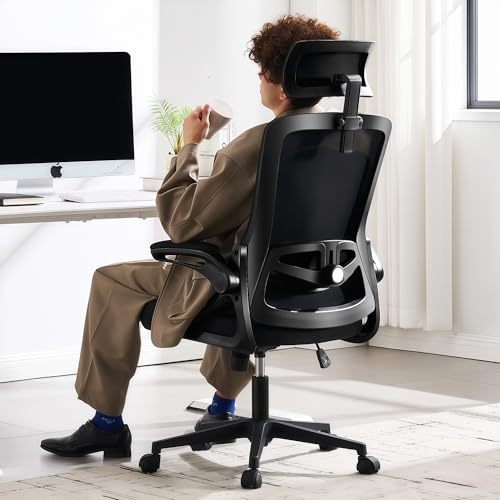
Fizzin Ergonomic Office Chair, 400 LBS Computer Chairs with Adjustable Lumbar Support, Breathable Mesh Desk Chair Ergonomic with Thickened Cushion, Comfy Home Office Desk Chair (Black)
Ergonomic Office Chair: Our ergonomic office chair provides total comfort and support for your head, back, hips and…
As an affiliate, we earn on qualifying purchases.
As an affiliate, we earn on qualifying purchases.
Recent Trends in Interior Design and Emerging Research
Modern interior decor has gained popularity over the past decade, emphasizing minimalism, clean lines, and neutral color schemes. These styles aim to create calming, clutter-free environments but have also been criticized for potentially leading to sterile or uninspiring spaces. The recent studies are among the first to systematically examine how these design choices might influence cognitive functioning.
Previous research has shown that environmental factors such as lighting and noise levels affect mental health, but the specific impact of decor style has remained less explored. The current investigations are part of a broader effort to understand how physical environments shape psychological well-being.
“Our preliminary data indicates that highly simplified and stark environments may reduce sensory stimulation, which could lead to increased mental effort and fatigue over time.”
— Dr. Lisa Chen, University of California

SUXIO Light Therapy Lamp – 10000 Lux Therapy Lights, 3 Timing & Mode Happy Lamp, Touch Control Daylight Lamp with Memory Function, Portable Light Therapy Box for Home/Office Use As Lift Mood
【3 Mode Therapy Light】 – Our light therapy lamp with 3 modes, respectively emitting 4000-7000-10000 Lux, Each time…
As an affiliate, we earn on qualifying purchases.
As an affiliate, we earn on qualifying purchases.
Unconfirmed Aspects of Decor’s Effect on Brain Function
While initial findings are suggestive, it is not yet clear whether modern decor directly causes increased mental fatigue or if other factors contribute. Larger, more controlled studies are needed to establish causality and determine which specific design elements are most impactful. Additionally, individual differences in sensory processing and mental health status may influence outcomes, and these variables are not yet fully understood.

Irenare 3 Pcs Sensory Wall Sequin Flip Fabric for Kids Reversible Interactive Sensory Wall Decor with Adhesive Hook and Loop Strips for Classroom Daycare School Bedroom
Interactive Sensory Wall for Creative Play: transform any wall into an engaging sensory activity center; Children can flip…
As an affiliate, we earn on qualifying purchases.
As an affiliate, we earn on qualifying purchases.
Next Steps in Research and Design Recommendations
Researchers plan to conduct longitudinal studies to better understand the long-term effects of modern decor on cognition. Meanwhile, interior designers and mental health professionals are encouraged to collaborate on creating environments that balance aesthetic appeal with cognitive comfort. Consumers should stay informed about emerging evidence and consider personal comfort when choosing decor styles.

FEATOL Anti Fatigue Mat for Standing, 9/10 Extra Thick Ergonomic Standing Desk Mat, Comfort Memory Foam Standing Mat at Home,Office All Day (20" x 32", Black, 1PC)
[Anti Fatigue Standing Desk Mat] – This anti fatigue mat standing desk office is effective in reducing stress…
As an affiliate, we earn on qualifying purchases.
As an affiliate, we earn on qualifying purchases.
Key Questions
Can decor styles really affect my mental health?
Current research suggests there may be a link between certain decor choices and mental fatigue, but more studies are needed to confirm causality. Personal experiences vary widely.
What design elements might contribute to cognitive strain?
Preliminary findings point to minimalism, stark color contrasts, and clutter-free spaces as potential factors, but definitive evidence is still under investigation.
Should I change my home decor based on this research?
It is too early for definitive recommendations. If you feel mentally fatigued in your environment, consider adding more sensory stimulation or personal touches, and consult with mental health or design professionals.
Will future studies change interior design practices?
Potentially. As evidence accumulates, designers may incorporate more elements that support mental well-being alongside aesthetic preferences.
Source: hn