TL;DR

Get decor and gifts delivered free with Prime
- Fast, free delivery on millions of items
- Prime Video, Amazon Music and more included
- Member-only deals all year
Pick a nursery clock that’s safe, visually appealing, and easy to read. Consider silent movement, themes, and extra features like nightlights to support sleep and learning. Safety standards matter most.
Imagine a nursery where the clock isn’t just a timekeeper, but a calming visual anchor for your little one. It’s more than decoration—it’s part of their early learning and sleep routine. Choosing the right clock can feel overwhelming with so many options, but focus on safety, style, and functionality, and you’ll find the perfect fit.
In this guide, you’ll learn how to pick a nursery clock that’s safe, engaging, and easy to read. Whether you want a whimsical animal clock or a sleek modern design, knowing what features matter most helps you make confident choices for your baby’s space.
Prioritize safety by choosing non-toxic, securely mounted clocks that meet safety standards.
Select a design that complements your nursery’s decor and stimulates visual development.
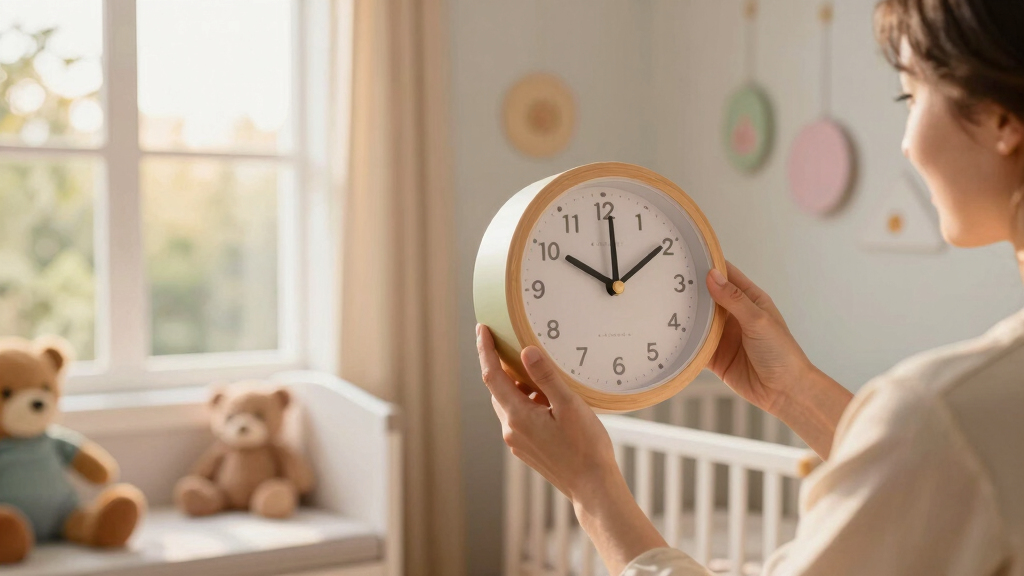
Opt for clocks with large, high-contrast numbers for easy reading by both parents and children.
Choose silent movement clocks to ensure peaceful sleep for your baby.
Consider extra features like nightlights or lullabies to enhance your child’s sleep routine.
Why Safety Comes First When Picking a Nursery Clock
Safety is the most important factor in choosing a nursery clock. Clocks made from non-toxic, BPA-free materials and with child-proof battery compartments prevent accidents. Mount the clock securely high enough so little hands can’t reach it, avoiding any risk of pulling it down or choking hazards from small parts.
For example, a clock with a sturdy, rounded plastic case and a secure mounting hook keeps it out of reach and safe during playtime or sleep. Always check for safety standards like ASTM or EN71 certification to ensure the product meets strict safety criteria.
Prioritizing safety standards isn’t just about compliance; it reflects a commitment to your child’s well-being. Choosing well-certified products minimizes the risk of toxic exposure or mechanical hazards, which can have serious health implications or cause injuries. Proper mounting and materials also prevent potential choking hazards or accidents that could disrupt your child’s safety and peace of mind.
nursery clock with silent movement
As an affiliate, we earn on qualifying purchases.
As an affiliate, we earn on qualifying purchases.
Design Tips: Make It Match Your Nursery’s Style and Stimulate Your Baby
Your nursery clock should blend seamlessly with your decor and stimulate your baby’s senses. Bright, cheerful colors like sunny yellows or gentle pastels set a cozy mood. Fun shapes like stars, animals, or clouds add visual interest and can even support early recognition skills.
For instance, a clock shaped like a friendly owl with big, contrasting numbers can serve as both a charming decor piece and an educational tool. The choice of design impacts not only aesthetic harmony but also your child’s visual development. Bright, contrasting colors and familiar shapes help your baby differentiate objects and recognize patterns, fostering early cognitive skills. Conversely, overly complex or dull designs might fail to capture attention or stimulate curiosity, potentially slowing early visual and cognitive engagement. Selecting a clock that complements your theme and stimulates your child’s senses creates a harmonious environment that encourages exploration and learning.
As an affiliate, we earn on qualifying purchases.
How to Pick a Clock That’s Easy for Little Eyes to Read
When choosing a nursery clock, clarity is key. Look for large, bold numbers or simple markers that stand out against the background. High-contrast colors—like white numbers on a dark face—make reading easier for tiny eyes, especially in low light.
For example, a clock with a black face and white numbers ensures visibility from across the room. This visibility is crucial because young children are still developing their visual acuity, and clear, easily distinguishable features help reinforce their understanding of time concepts. A well-designed clock reduces frustration, making learning to read the clock an engaging rather than a confusing experience. Additionally, easy-to-read clocks support early independence, allowing your child to start understanding routines without constant adult intervention. The choice of large, high-contrast numbers isn’t just about aesthetics—it directly impacts your child’s ability to learn and recognize time, fostering confidence and curiosity about their environment.
- Prioritize large, legible numbers or symbols.
- Opt for high-contrast color schemes.
- Test the clock’s readability from a distance in your nursery.
educational nursery clock with large numbers
As an affiliate, we earn on qualifying purchases.
As an affiliate, we earn on qualifying purchases.
Silence Is Golden: Why You Need a Quiet Nursery Clock
Babies sleep best in silence, so a clock with silent or sweep second hands is a must. No ticking sounds means no disruptions during naps or nighttime. Many modern clocks feature smooth, silent movements that won’t disturb your baby’s rest.
Imagine slipping into a peaceful nap, unaware of the gentle motion of a silent clock ticking away—your baby’s sleep remains undisturbed. When shopping, look for descriptions like ‘silent sweep’ or ‘quartz movement’ to avoid ticking noises.
Choosing a silent clock isn’t just about minimizing noise; it’s about creating an environment that promotes restful sleep and reduces sensory overload. Even subtle ticking sounds can become a source of distraction or wakefulness over time, especially in a quiet nursery. A silent clock also helps maintain a calm atmosphere, which is essential for establishing healthy sleep habits. For parents, a silent clock means fewer disturbances during late-night checks or early mornings, making the transition between wakefulness and sleep smoother for everyone. The tradeoff is that silent clocks often require battery-powered quartz movements, which might need periodic replacement, but the sleep benefits far outweigh this minor inconvenience. Ultimately, a quiet clock supports your goal of fostering a peaceful, stress-free nursery environment conducive to growth and relaxation.
As an affiliate, we earn on qualifying purchases.
Extra Features That Make Your Nursery Clock Special
Some clocks do more than just tell time. Nightlights, lullabies, or temperature displays can turn a plain clock into a multi-sensory tool. Nightlight clocks soothe your baby as they drift off, while clocks with sound features can help establish bedtime routines.
For example, a clock that projects a soft starry night onto the ceiling while playing gentle lullabies creates a calming environment. The integration of these features can significantly influence your child’s sleep quality and routine consistency. Nightlights and lullabies provide gentle cues that signal sleep time, helping to establish a predictable bedtime environment. Temperature displays inform you of room conditions, which is crucial for maintaining a comfortable sleep setting. When selecting extra features, consider how they fit into your routine and whether they enhance the calming atmosphere you want to create, ultimately supporting your child’s sleep hygiene and developmental needs.
Choosing Between Digital and Analog Clocks for a Nursery
Both digital and analog clocks have their perks, but your choice depends on your goals. Analog clocks with big, clear hands teach kids to tell time and help them understand the concept of passing time. They also provide visual cues about duration and change, which can be foundational for early cognitive development. Digital clocks, on the other hand, are advantageous for quick glances, especially at night, since their bright displays are easy to read in the dark without additional light sources.
For example, a parent might prefer a digital clock with large numbers for easy nighttime reading, enhancing convenience, while a toddler benefits from an analog clock that visually demonstrates the passing of time through moving hands. The decision should consider your child’s developmental stage and your routine needs. While digital clocks are straightforward, they often lack the visual cues that help young children grasp time concepts. Conversely, analog clocks foster early understanding of time passing but might be less visible in low light unless equipped with backlights or glow-in-the-dark features. Weighing these considerations helps you choose a clock that best supports both your child’s learning and your practical needs.
| Feature | Analog Clock | Digital Clock |
|---|---|---|
| Learning to tell time | Excellent, visual cues that support early understanding | Less educational, more straightforward for quick reading |
| Ease of reading at night | Requires glow-in-the-dark or backlight features | Very easy with large, bright display |
| Design options | Wide variety, playful shapes, traditional look | Sleek, modern, often with additional functionalities |
Smart and Eco-Friendly: The Future of Nursery Clocks
Smart nursery clocks connect to your home system, allowing remote control or monitoring. Eco-friendly materials—like recycled plastics or sustainably sourced woods—are gaining popularity. These innovations not only add convenience but also align with eco-conscious parenting.
Imagine a clock that adjusts brightness based on room light or syncs with your baby’s sleep schedule via an app. As technology and sustainability grow, your options become smarter and greener.
Choosing smart and eco-friendly clocks reflects a growing awareness of environmental impact and a desire for technological convenience. These clocks often feature energy-efficient designs, reducing power consumption and promoting sustainability. The ability to control or monitor the clock remotely can also help parents manage sleep routines more effectively, especially in busy households. However, it’s important to balance these benefits with considerations about screen time and data privacy. As the market advances, these options will become more integrated into holistic nursery environments that support both your child’s development and your eco-conscious values.
Your Quick Checklist for Picking the Perfect Nursery Clock
- Ensure it’s made from non-toxic, child-safe materials.
- Mount it securely out of your baby’s reach.
- Choose a style that matches your nursery theme.
- Pick a clock with large, high-contrast numbers.
- Opt for silent movement to avoid sleep disruptions.
- Consider extra features like nightlights or lullabies if they suit your routine.
- Decide between digital or analog based on learning goals and ease of use.
Frequently Asked Questions
What is the safest type of clock for a nursery?
The safest clocks are made from non-toxic, BPA-free materials, with child-proof battery compartments and secure mounting. Avoid clocks with small, removable parts or accessible batteries that could pose choking hazards.
Should I choose an analog or digital clock for my nursery?
If your goal is to help your child learn to tell time, an analog clock with large, clear numbers is best. For quick time checks, especially at night, a digital clock with a bright, easy-to-read display offers convenience.
Are smart nursery clocks worth it?
Smart clocks can add convenience with remote control and automation features, plus some monitor room conditions. However, prioritize safety and simplicity; ensure any tech features don’t compromise the clock’s primary purpose—peaceful, safe space creation.
How do I make sure my nursery clock matches my decor?
Pick clocks in colors and themes that complement your overall nursery style. Whether you love soft pastels, bold patterns, or whimsical shapes, choose a clock that feels like part of the room’s story.
Conclusion
Choosing the right nursery clock combines safety, style, and a touch of learning magic. It’s about creating a calming, engaging environment where your baby feels secure and curious. When in doubt, go for a clock that balances clear visuals, quiet operation, and a design that makes your nursery feel like a cozy haven.
After all, a nursery clock isn’t just about telling time. It’s about setting the scene for peaceful sleep and early discovery—making those tiny moments memorable and meaningful.
Halloween Picks
halloween
As an affiliate, we earn on qualifying purchases.