TL;DR

Get decor and gifts delivered free with Prime
- Fast, free delivery on millions of items
- Prime Video, Amazon Music and more included
- Member-only deals all year
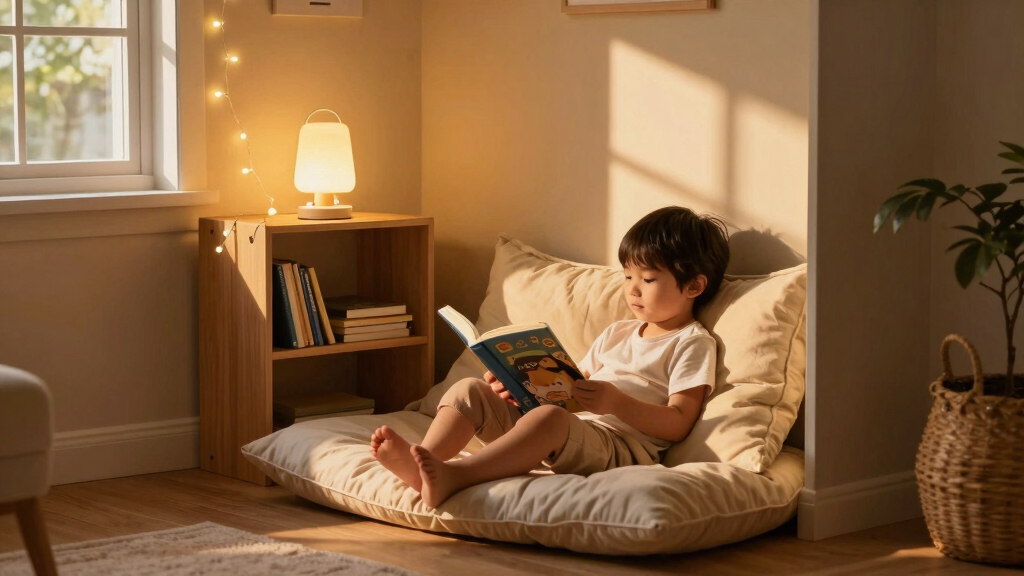
The best reading nook lighting for kids balances warmth and safety, using adjustable, energy-efficient lights like LEDs. Proper placement and color temperature create a cozy space that encourages reading without overstimulation.
Imagine a little corner in your child’s room bathed in soft, golden glow. That’s the magic of the right lighting—cozy without overstimulating. You want a space where kids can settle in with a good book, feeling calm and comfortable. But too much brightness or harsh glare can turn their peaceful reading time into a strain on their eyes or an overload of stimulation.
In this guide, you’ll learn how to choose lighting that’s safe, adjustable, and warm, transforming a basic nook into a magical retreat. From the best types of lights to smart tech options, you’ll discover practical tips to make your child’s reading corner inviting and gentle on their senses.
Choose warm white (2700K-3000K) LED lights for a calming, cozy reading nook.
Layer lighting with ambient, task, and accent sources to avoid overstimulation.
Position lights carefully to prevent glare and shadows, using adjustable fixtures.
Smart and energy-efficient options make it easier to control mood and save power.
Incorporate soft textures and calming decor to amplify the cozy atmosphere.
Why Cozy Lighting Matters More Than Brightness Alone
Cozy lighting isn’t just about dimming the lights; it’s about creating a warm, inviting glow that encourages calm and focus. Bright, fluorescent bulbs might light up a space, but they can also cause eye strain and overstimulation—especially for little eyes still developing. When lighting is too harsh or too bright, it can make children feel overwhelmed, leading to difficulty concentrating or even discomfort. Conversely, insufficient lighting can cause children to strain their eyes, leading to fatigue or headaches. The key is balancing brightness with warmth to foster an environment that promotes relaxation and engagement. Choosing warm, adjustable lighting helps create a soothing atmosphere that naturally reduces stress and makes reading a more inviting activity. The right lighting supports healthy eye development and helps establish a calming routine, which is especially important before bedtime or during quiet activities.
Understanding why warmth and adjustability matter is crucial. Warm light, with its yellowish hue, mimics natural sunset tones, which are less likely to cause blue light exposure that can interfere with sleep. Adjustability is equally important because it allows you to tailor the environment to different times of day or activity levels—bright enough for daytime reading and softer for winding down. This flexibility ensures the space remains comfortable and reduces the need for multiple fixtures, simplifying safety and maintenance. Ultimately, the right combination of warmth and adjustability minimizes overstimulation, supports visual comfort, and nurtures a calming atmosphere essential for young children’s development and well-being.
warm white LED reading light for kids
As an affiliate, we earn on qualifying purchases.
As an affiliate, we earn on qualifying purchases.
How to Choose the Right Light Type for Your Child’s Reading Nook
- Ambient Lighting: Overhead fixtures or wall-mounted lights that provide overall glow. Use dimmable LEDs for flexibility, allowing you to adjust the light level based on time of day or activity. Proper ambient lighting sets the mood, making the space feel cozy without being overpowering. It also helps prevent harsh shadows that can cause eye strain. Choosing the right ambient light is about balancing brightness and warmth; too bright can be overstimulating, while too dim might cause eye strain. Dimmable options allow you to fine-tune this balance, creating a consistent environment that adapts as your child’s needs change.
- Task Lighting: Focused lamps like clip-ons or table lamps directly on the pages. Position them close enough to illuminate without creating glare or shadows that can distract or cause eye fatigue. Good task lighting ensures the child’s eyes are not strained during reading, supporting concentration and comfort. The tradeoff with task lighting is that overly bright or poorly directed lights can cause discomfort or glare, which might lead children to squint or shift positions. Proper placement and adjustable brightness are essential to maximize comfort and minimize visual fatigue.
- Accent Lighting: String lights, fairy lights, or star-shaped lamps that add a touch of magic without overwhelming the space. These create a gentle, enchanting atmosphere, but their effectiveness depends on subtlety. If too bright or numerous, they risk overstimulating or cluttering the space. When layered thoughtfully with ambient and task lighting, accent lights can enhance coziness and make the nook more inviting, but they should be secondary to primary lighting sources to avoid visual overload.
For example, a small clip-on lamp attached to a bookshelf, paired with soft string lights overhead, can create layers of gentle illumination—perfect for winding down at bedtime or cozy reading sessions. The key is balancing these layers so that they complement each other, providing sufficient light without creating conflicting sources that might cause discomfort or overstimulation. Consider also the ease of switching between different lighting levels to adapt to your child’s changing needs and activities.
dimmable children's reading nook lighting
As an affiliate, we earn on qualifying purchases.
As an affiliate, we earn on qualifying purchases.
Comparison Table: Lighting Options for Reading Nooks
| Lighting Type | Pros | Cons |
|---|---|---|
| Ambient (Ceiling/Walls) | Provides general light, sets mood, covers entire space | Can be too bright if not dimmable, causes glare if poorly placed |
| Task (Reading Lamps) | Focuses light directly where needed, reduces eye strain | Limited coverage, needs proper positioning |
| Accent (Fairy Lights, Star Projectors) | Creates enchanting atmosphere, adds charm | Not enough for reading, may be too dim alone |
adjustable wall-mounted kids' reading light
As an affiliate, we earn on qualifying purchases.
As an affiliate, we earn on qualifying purchases.
Best Color Temperatures for a Calm, Cozy Reading Space
Color temperature influences how cozy or stimulating a room feels. For a reading nook that’s meant to relax, aim for warm white light, around 2700K to 3000K. This range mimics the gentle glow of a sunset or a cozy lamp, which has a calming effect on the mind and body. Cooler lights, above 4000K, tend to be more stimulating and can increase alertness, making them less suitable for a relaxing environment. The warmth of 2700K-3000K helps reduce blue light exposure, which has been linked to better sleep quality when used in the evening. Choosing the right color temperature is about understanding its impact on mood and comfort—warmer lights promote relaxation, while cooler lights might be better suited for tasks requiring alertness during the day. It’s important to recognize that the wrong color temperature can either overstimulate or underwhelm the space, affecting your child’s ability to focus or unwind as needed. Selecting the appropriate warmth level is a vital step in designing a nurturing environment that balances activity and rest.
energy-efficient bedside lamp for children
As an affiliate, we earn on qualifying purchases.
As an affiliate, we earn on qualifying purchases.
Smart and Eco-Friendly Lighting: Making Your Nook Future-Proof
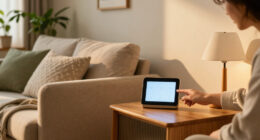
Smart lighting systems offer more than convenience; they provide a way to finely tune your child’s environment for comfort and safety. Remote control, scheduling, and adjustable color temperatures mean you can create a personalized lighting scheme that adapts to different times of day and activities. For example, setting the lights to gradually dim at bedtime can help signal to your child that it’s time to wind down, supporting healthy sleep habits. Dimmable LED bulbs are energy-efficient and produce less heat, reducing fire risk and making them safer for children’s spaces. Eco-friendly options like sustainable materials and energy-saving LEDs also promote a greener lifestyle, aligning with values of health and responsibility. By integrating smart and eco-conscious lighting, you ensure the space remains inviting, safe, and environmentally friendly, making it a smart investment in your child’s well-being and the planet. Additionally, these systems can help you monitor energy use, which not only saves money but also teaches children about sustainability in practical ways, fostering environmentally responsible habits from an early age.
How to Position Lights for Maximum Comfort and Safety
Proper placement of lights is essential for both comfort and safety. Keep task lights close to the reading material, angled to minimize glare and shadows that can cause discomfort or eye fatigue. For instance, a small bedside lamp placed just beside the book ensures the light falls directly on the pages, reducing the need for children to strain or squint. Adjustable fixtures are particularly valuable because they allow you to change the direction and brightness depending on the activity or time of day. For example, during daytime reading, a brighter, more direct light might be ideal, while in the evening, a softer, angled light helps promote relaxation. Ensuring lights are positioned to avoid glare and shadowing not only improves visual comfort but also reduces the risk of accidental bumps or injuries, especially if fixtures are mounted securely and out of reach of curious little hands. Thoughtful placement can also help prevent hazards like cords trailing across the floor, which could cause trips or pulls that lead to accidents. Regularly check that fixtures remain out of reach and securely mounted as your child grows and becomes more mobile, maintaining a safe environment at all times.
Frequently Asked Questions
What is the safest type of lighting for a child’s reading nook?
Look for child-safe fixtures with shatterproof and non-toxic materials. LED lights are preferred for their low heat emission and durability. Always ensure cords are out of reach and fixtures are securely installed.
How can I make the space cozy without overwhelming my child with too much light?
Use dimmable, warm-colored lights and incorporate soft textures like plush cushions or a cozy blanket. Layer different light sources gently—avoid bright overhead lights that flood the space.
Are smart lights safe and easy to manage for kids’ reading spaces?
Yes, smart lights are designed with safety features and can be controlled remotely or via apps. They often include dimming and color adjustment, making it simple to set just the right mood.
What should I avoid when lighting a kid’s reading nook?
Avoid flickering lights, overly bright bulbs, or fixtures with exposed wiring. These can cause discomfort or safety hazards. Stick to soft, LED options with secure, child-proof fixtures.
Can decorative lights still be functional and cozy?
Absolutely. String lights, star projectors, or themed lamps add charm without overwhelming the space. Just keep their brightness low and layer with softer lighting for balance.
Conclusion
Creating a reading nook that’s cozy without overstimulating hinges on thoughtful lighting choices. Warm, adjustable, and layered lighting transforms a simple corner into a calming retreat where your child can relax and read.
Remember: the goal is to invite calm, not chaos. A soft glow, positioned just right, makes all the difference—turn your child’s reading space into a sanctuary of comfort and imagination.
Halloween Picks
halloween
As an affiliate, we earn on qualifying purchases.