TL;DR
Listen free for 30 days with Audible
Thousands of audiobooks and originals — cancel anytime.
Start your free trialAs an affiliate, we earn on qualifying purchases.
Pick clocks made from moisture-resistant materials like stainless steel, tempered glass, or high-quality plastics. Seal the face and mount away from direct steam sources. Regular cleaning and strategic placement prolong lifespan.
Imagine a busy Sunday morning. Steam rises from boiling pasta, and splatters of oil and sauce decorate your kitchen walls. Amid the chaos, your wall clock stands firm—untouched by grease or steam, keeping perfect time. That’s the kind of resilience you want from a kitchen clock.
Choosing the right clock isn’t just about style. It’s about durability, ease of cleaning, and placement. This guide walks you through the key features to look for, recent innovations, and practical tips to keep your kitchen clock shining and ticking through years of steaming, splattering, and cooking.
Prioritize clocks made from stainless steel, tempered glass, or high-quality plastics for best moisture resistance.
Choose models with sealed or gasketed covers to keep grease and steam out.
Mount clocks away from direct steam sources and secure firmly to withstand vibrations.
Regular cleaning, at least once a month, keeps your clock looking new and functioning well.
Latest digital models with waterproof and antimicrobial features offer superior durability in busy kitchens.
Why Material Matters: The Secret to a Durable Kitchen Clock
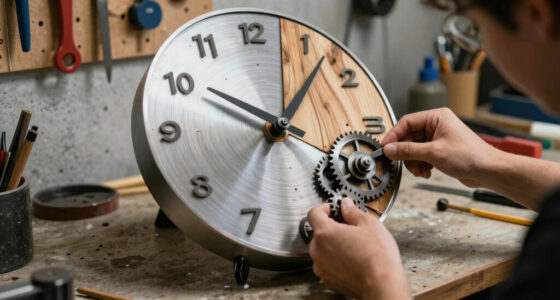
Materials are the foundation of a kitchen clock’s resilience. Clocks made from stainless steel, tempered glass, or high-quality plastics resist moisture, grease, and corrosion better than traditional wood or painted surfaces.
For example, a stainless steel clock with a sealed bezel can withstand humid air and accidental splashes. Tempered glass covers protect the dial from grease splatters and are easy to wipe clean. Avoid clocks with porous or painted surfaces—they trap grease and absorb moisture, leading to quicker deterioration.
Choosing the right material impacts not just longevity but also maintenance. Durable materials reduce the frequency of cleaning and repairs, which is especially important in busy kitchens. However, tradeoffs exist: stainless steel can be heavier and more expensive, while plastics may scratch or discolor over time. Understanding these implications helps you balance durability, cost, and aesthetic preferences.
According to Alphabet Clock, clocks with rust-resistant coatings and sealed casings last nearly twice as long in humid environments, emphasizing the importance of material choice for longevity.
moisture-resistant kitchen wall clock
As an affiliate, we earn on qualifying purchases.
As an affiliate, we earn on qualifying purchases.
Design Features That Protect Your Clock from Steam and Grease
- Sealed or Covered Faces: Look for clocks with gasketed, sealed covers. These are crucial because they prevent moisture and grease from penetrating the internal mechanisms, which can cause rust, corrosion, and malfunction. Think of it as a protective barrier—much like how a windshield keeps rain out, a sealed cover keeps kitchen splatters at bay. Without this feature, even the best-looking clock can fail prematurely due to internal damage.
- High-Contrast, Large Numerals: Easy readability is more than convenience; it’s safety. In humid or greasy conditions, visibility can quickly diminish, leading to missed appointments or cooking errors. Bold, high-contrast numerals ensure you can tell the time at a glance, reducing eye strain and frustration. This becomes especially important if your kitchen lighting is variable or if steam fogs up the glass.
- Minimalist Designs: Simplicity isn’t just aesthetic; it’s functional. Fewer nooks and crannies mean less surface area for grease and dust to accumulate. Flat, smooth surfaces are easier to wipe down, making daily cleaning less of a chore. This design philosophy also minimizes the risk of dirt trapping, which can harbor bacteria or mold in humid environments.
For example, a sleek clock with a sealed acrylic face can be wiped down with a damp cloth weekly, preventing build-up amid cooking chaos. Recent models also incorporate antimicrobial coatings, which inhibit mold and bacteria growth—a significant advantage in humid kitchens, reducing health risks and cleaning frequency.
In essence, these design features are about creating a barrier that enhances durability and simplifies maintenance, ensuring your clock remains functional and attractive over time.
sealed cover waterproof kitchen clock
As an affiliate, we earn on qualifying purchases.
As an affiliate, we earn on qualifying purchases.
How to Choose the Right Material for Your Kitchen Clock
Picking the right material is simple if you remember this: prioritize moisture resistance and durability.
Here’s a quick guide:
| Material | Pros | Cons |
|---|---|---|
| Stainless Steel | Rust-proof, sleek, durable | Can be heavy, may scratch |
| Tempered Glass | Resists grease, easy to wipe | Fragile if dropped, can shatter |
| High-Quality Plastic | Lightweight, inexpensive | Less durable, may discolor over time |
Choosing between these depends on your style and how much wear and tear your kitchen clock will face. For busy households, stainless steel or tempered glass often last the longest because they resist corrosion and are easier to clean without damage. However, consider the tradeoff: stainless steel can be heavier and more costly, while plastics may scratch or discolor, requiring more frequent replacement or maintenance. Your choice should balance aesthetics, durability, and budget, ensuring the clock meets your specific kitchen environment needs.
stainless steel kitchen wall clock
As an affiliate, we earn on qualifying purchases.
As an affiliate, we earn on qualifying purchases.
Placement and Mounting Tips for a Long-Lasting Kitchen Clock
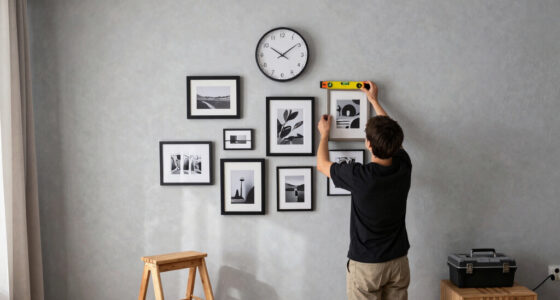
Where and how you hang your clock makes all the difference. Mount it away from direct steam sources like above the stove or near the dishwasher, because prolonged exposure accelerates corrosion and damage. Positioning at eye level (about 3-4 feet from the floor) ensures easy visibility without necessitating awkward movements that could jostle or damage the mount.
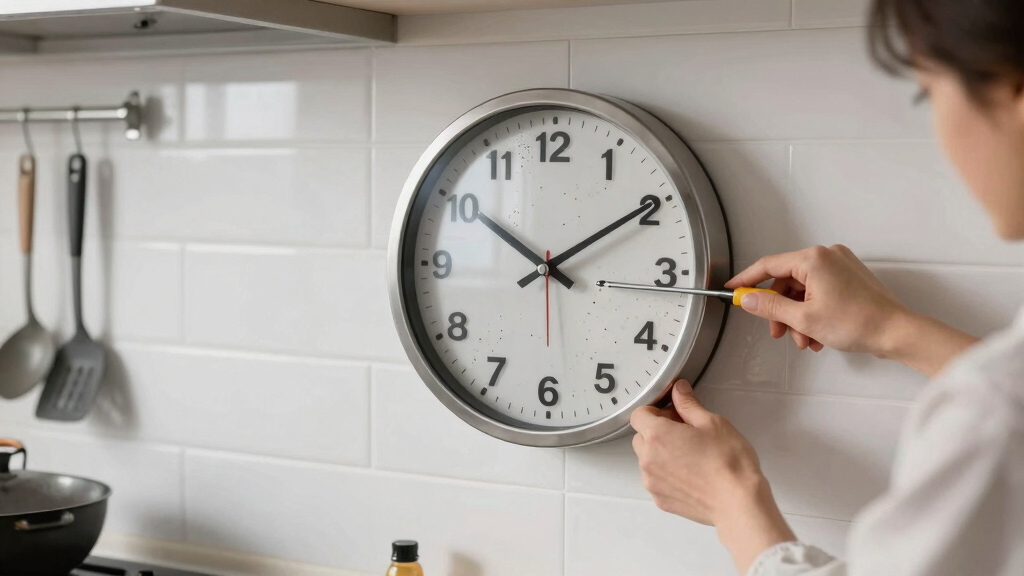
Secure it firmly. Vibrations from heavy cooking, cleaning, or accidental bumps can loosen mounts over time, leading to potential falls or misalignments. Use sturdy anchors designed for your wall type and ensure the clock is tightly secured. A well-mounted clock resists vibrations and prevents accidental falls, which could damage the face or internal mechanisms.
For example, mounting on a backsplash tile away from the stove’s steam jet and splash zone minimizes exposure, extending the clock’s lifespan. Also, opt for a mounting system that allows easy removal for cleaning or battery changes, preventing the need for reinstallation and reducing wear on the mounting hardware.
Proper placement and secure mounting are about reducing exposure to damaging conditions and mechanical stress, both of which significantly impact the longevity of your kitchen clock.
As an affiliate, we earn on qualifying purchases.
Latest Innovations: Digital, Waterproof, and Antimicrobial Clocks
The newest kitchen clocks combine function and durability through innovative features. Waterproof digital clocks are crafted with sealed casings and sealed LED or LCD displays, making them highly resistant to steam, splashes, and grease. These clocks often operate on batteries with sealed compartments, reducing the risk of internal corrosion and simplifying maintenance. Their digital displays are easier to read in various lighting conditions and less susceptible to fogging or grease buildup.
Some models now incorporate antimicrobial coatings, which inhibit mold and bacteria growth on the surface, an essential feature in humid environments. These coatings help maintain hygiene and reduce cleaning frequency, as grease and grime don’t cling as tightly to the treated surfaces. Additionally, many digital clocks include features like automatic brightness adjustment, further enhancing usability in different kitchen lighting conditions.
For example, a waterproof digital clock with a sealed silicone cover can sit right near your stove without worry, showing the time clearly even when splattered with sauce or steam. Such innovations are transforming kitchen clock durability, making them more reliable and easier to maintain in the face of constant moisture and splatters.
How Often Should You Clean Your Kitchen Clock?
Keeping your clock clean isn’t just about appearance; it’s vital for its longevity. Grease, dust, and moisture can accumulate quickly, especially in busy kitchens, leading to corrosion or mechanical issues if not addressed regularly. A quick wipe weekly with a damp, non-abrasive cloth prevents the buildup of grime, which can cause the clock’s mechanisms to work harder or even fail prematurely. For kitchens with heavy use or high humidity, a more thorough cleaning monthly helps remove stubborn grease and moisture that can seep into seals or joints.
Use gentle cleaning solutions—harsh chemicals can damage the surface or seals. For glass or acrylic covers, a mixture of water and a tiny drop of dish soap is effective. Avoid abrasive pads or cleaners that could scratch or degrade the surface, reducing clarity and protective qualities. Regular cleaning not only maintains the appearance but also ensures the internal components stay dry and functional.
For instance, wiping down your clock every Sunday after breakfast keeps it looking pristine amid pancake batter and vegetable steam, and prevents the need for costly repairs or replacements caused by neglect.
Remember, consistent cleaning is a small investment of time that pays off by extending your clock’s lifespan and maintaining its accuracy and appearance.
Frequently Asked Questions
What is the best material for a kitchen wall clock?
Stainless steel, tempered glass, and high-quality plastics are the top choices for resisting moisture, grease, and corrosion. They are durable and easy to wipe clean, making them ideal for busy kitchens.How can I prevent my kitchen clock from getting greasy or steamed up?
Choose a clock with a sealed or gasketed face, and mount it away from direct steam sources like above the stove. Regular cleaning also keeps grease and moisture from building up.Are digital clocks better than analog for kitchens?
Digital clocks with waterproof casings and sealed displays often resist steam and grease better than traditional analog clocks. However, high-quality analog clocks with sealed covers can also perform well if maintained properly.How often should I clean my kitchen clock?
A quick weekly wipe prevents buildup, but a thorough monthly cleaning helps keep it looking and functioning like new. Use gentle solutions and avoid harsh chemicals.What features should I look for in a kitchen wall clock?
Look for moisture resistance, sealed covers, easy-to-clean surfaces, clear visibility, and secure mounting features. Modern options include waterproof digital displays and antimicrobial coatings.Conclusion
In the end, a kitchen wall clock that survives steam and grease combines smart material choices, protective design features, and strategic placement. Think of it as an investment in both style and functionality. A clock that withstands your kitchen chaos makes cooking even more enjoyable—less worry, more fun.
Next time you hang a clock, picture it as a loyal kitchen companion—ready to face steam, splatters, and busy mornings with a smile. With a little attention, your clock will keep ticking beautifully for years.
Labor Day sales Picks
labor day deals
As an affiliate, we earn on qualifying purchases.