
TL;DR

Get decor and gifts delivered free with Prime
- Fast, free delivery on millions of items
- Prime Video, Amazon Music and more included
- Member-only deals all year
House Beautiful published a report in which an 11-year-old assessed furnishings and decor for a room aimed at Gen Alpha. The child’s comments favored comfort, practical storage, adaptable colors and smaller pieces, but the article presents one child’s opinions, not a broad survey of young people.
House Beautiful published a report asking an 11-year-old to react to bedroom furnishings and decor, providing a first-person view of how one child might judge a room designed for Gen Alpha. The child repeatedly valued comfort, practical use and flexible styling, while the report does not establish that these preferences represent children more broadly.
The child evaluated a range of furnishings and accessories, commenting on their appearance as well as how they might work in a bedroom. For a rounded, upholstered item, the child wanted it to look plump and comfortable, but not like a cartoon marshmallow. That response captures a recurring distinction in the assessment: a piece should feel inviting without looking overly stylized.
Rugs drew comments about scale and pattern. The child liked a smaller rug that could sit under a chair or beside a bed, saying it could add an individual design detail without making the entire room depend on one pattern. A less bold rug, by contrast, was described as better suited to covering the floor. These are reactions to the specific options shown, rather than general rules about bedroom design.
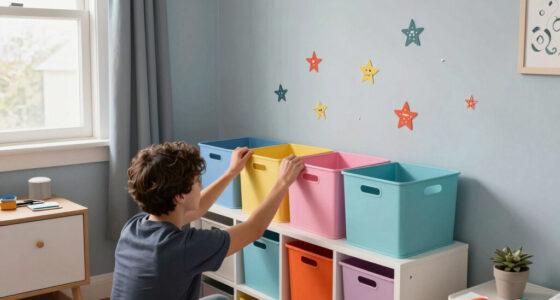
Practicality also shaped opinions about furniture and storage. The child preferred a nightstand with ample surface space for personal belongings and favored its white finish as cleaner-looking. A pink jewelry organizer appealed because it offered storage and decorative details. A shoe-storage piece was praised for holding footwear while remaining usable for towels or school supplies, and a pen holder was appreciated as an object that could decorate a room rather than sit unused in a corner.
What the Child Valued in a Room
The report’s value lies in making a young user’s criteria visible: furnishings were judged not only by appearance, but by whether they had room for everyday belongings and could serve more than one purpose. For families planning a bedroom, the comments suggest a useful conversation starter about how the person using the room actually spends time in it.
The child also favored choices that could work with changing tastes. A cream-colored item was liked because it could be styled in different ways, while a wall-mounted light with changeable color was compared favorably with a fixed orange glow. Alongside the preference for a smaller, distinctive rug, those reactions point to interest in adaptable details rather than committing every surface to one strong look. That is an interpretation of one interview, not evidence of a generation-wide trend.
For readers, the distinction matters: a child’s response can inform design decisions, but it cannot stand in for market research or the preferences of all Gen Alpha children. The article offers examples of questions to ask—whether a piece is comfortable, useful, flexible and suited to the room—rather than a definitive formula for a bedroom every child will like.
Products Worth Considering

EGO POWER+ 21 Cordless Electric Lawn Mower Kit, Self-Propelled

EGO Power+ LB8803-2 Cordless Leaf Blower with Two Batteries

RYOBI 18V ONE+ HP Brushless 8-1/4-Inch Table Saw (Recon)
As an affiliate, we earn on qualifying purchases.
How the Room Options Were Judged
The source is a House Beautiful report titled “I Asked an 11-Year-Old How to Design a Room Gen Alpha Won’t Hate.” It presents the child’s reactions to individual objects, including rugs, a nightstand, decorative storage, lighting, seating and shelving. The supplied source material does not describe a larger survey, a representative sample or a formal research method.
The child’s observations were specific to the products or designs shown. For example, a blue-and-white floral item was considered attractive but better suited to a desk chair than a bed. A bookshelf was described as feeling smaller and more like a shelf than a large display case. Those comments show the child comparing how pieces might fit into a room, but do not indicate which options were ultimately purchased or installed.
The report therefore works as a design consultation with one young participant. Its examples can help adults ask children about their own needs and preferences, while its limited scope means the findings should not be generalized to an entire age group.
““I like a nightstand with a lot of surface area, because I put lots of things up there.””
— The 11-year-old, quoted in House Beautiful
One Child, Not a Generation-Wide Survey
The source material identifies one 11-year-old and reports that child’s reactions; it does not provide evidence that the views are typical of Gen Alpha. It also does not specify how the child was selected, how many products were considered in total, or whether the designs were shown in person or through images.
There is no information in the supplied material about a finished room, a budget, product purchases or follow-up feedback after items were placed in a space. The child’s comments should be treated as personal preferences, not as verified conclusions about what young people generally want from bedroom design.
Applying the Feedback to a Room
The report does not announce a follow-up study or a planned design project. For readers using its examples, the next step is to ask the child who will use the room what they need to store, what feels comfortable and which colors or pieces they expect to keep liking. The source offers no confirmed timeline for additional reporting or for a room makeover.
Any choices made from the comments remain individual design decisions. The clearest takeaway from the report is to involve the intended room occupant directly, while treating one child’s opinions as a starting point rather than a prediction for an entire generation.
Key Questions
What did House Beautiful report?
House Beautiful published an article recording an 11-year-old’s reactions to bedroom furnishings and decor, including rugs, storage, lighting and shelving.
What qualities did the child tend to like?
The child often favored comfort, useful storage, flexible colors and pieces with more than one purpose. The comments varied by item and do not form a universal design checklist.
Does the report show what all Gen Alpha children prefer?
No. The source reports the opinions of one 11-year-old and does not describe a representative survey or broader research sample.
Did the child choose items for a completed bedroom?
The supplied source material lists reactions to design options but does not confirm that any products were bought, installed or used in a finished room.
Source: rss