TL;DR

Get decor and gifts delivered free with Prime
- Fast, free delivery on millions of items
- Prime Video, Amazon Music and more included
- Member-only deals all year
Gender-neutral nurseries that age well focus on versatile colors and themes like woodland or space. Investing in quality furniture and removable decor helps create a room that evolves easily, saving money and effort in the long run.
Imagine a nursery that doesn’t scream ‘baby’ in neon pink or bright blue but instead feels calm, inviting, and ready to grow alongside your child. The secret lies in choosing themes and colors that stand the test of time—ones that work from their first days through early school years. You want a space that feels cozy now and still appeals years later, saving you from redecorating every few years.
In this guide, you’ll learn how to pick gender-neutral themes that age well, plus practical tips on colors, furniture, and decor. Whether you’re expecting or redesigning for a toddler, these ideas will help craft a nursery that’s both beautiful and built to last.
Choose versatile, earthy color palettes like sage, terracotta, and navy that suit all ages and avoid stereotypes.
Opt for themes rooted in nature, space, or vintage stories—they’re timeless and adaptable from newborn to early childhood.
Invest in quality, convertible furniture and flexible decor options like decals and textiles for easy updates.
Prioritize safety with current crib standards, anchoring, and non-toxic finishes—style should never compromise protection.
Refresh the nursery with simple swaps—rugs, art, and accessories—to keep the room lively without costly overhauls.
Gender-Neutral Nursery Themes That Age Well
Build a calm, inviting room that works from first naps to early school years. The winning formula is a versatile palette, an adaptable theme, durable furniture and decor that can change without a costly overhaul.
Warm neutrals, made intentional
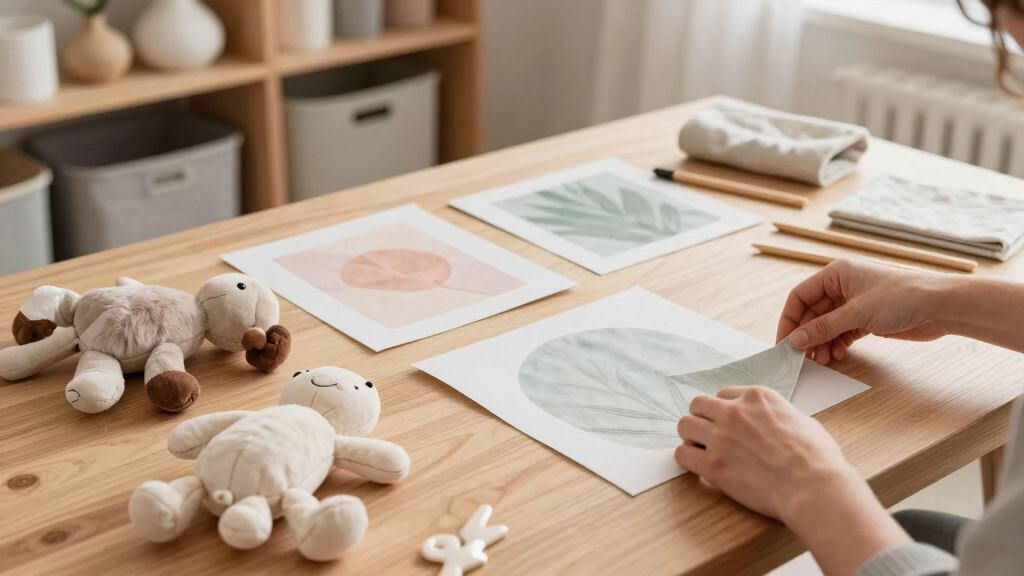
Move beyond flat gray or “sad beige.” Cream, clay, olive, caramel, navy and muted ochre feel calm for a baby but substantial enough for an older child. Balance keeps a neutral room from feeling bland.
Darker colors can shrink a dim room. Keep the richest shade to 10–30%, then add pale washable textiles, layered lamps and ample natural light.
Seven ideas with room to grow
Choose a broad world rather than a single cartoon character. Flexible motifs invite storytelling, exploration and learning—then mature naturally as cute illustrations give way to art, maps or collected objects.
Woodland
Begin with gentle forest animals; evolve toward botanical prints, natural wood and landscape art.
Space
Whimsical planets become astronomy charts, constellations and science-inspired objects.
Botanical
Leaves, mountains, suns and moons create an organic vocabulary that never feels too babyish.
Vintage Storybook
Classic illustration, gingham and scalloped details deliver nostalgia without a trend-heavy finish.
Ocean & Coastal
Muted blue-green, sand and abstract waves transition easily from nursery to restful child’s room.
Adventure
Maps, hot-air balloons and travel keepsakes encourage curiosity while leaving interests open-ended.
Abstract & Scandinavian
Simple geometry, warm timber and restrained patterns offer the longest visual lifespan. Add personality through a gallery wall or patterned ceiling while keeping the main furniture and walls quiet.
Invest in the bones—not the theme
Direct the larger share of the budget toward safe, durable pieces that can change function. Use lower-cost surfaces and accessories to express the current theme.
| Choice | Useful now | Grows with child | Easy refresh | Priority |
|---|---|---|---|---|
| Convertible crib | ✓ Infant sleep | ✓ Toddler bed | ~ Bedding | Invest |
| Dresser + change top | ✓ Changing station | ✓ Clothing storage | ✓ Remove topper | Invest |
| Adjustable shelving | ✓ Baby supplies | ✓ Books & toys | ✓ Reconfigure | Invest |
| Removable decals | ✓ Instant theme | ~ Interest-led | ✓ Peel and replace | Layer |
| Character furniture | ~ Short-term appeal | ✗ Dates quickly | ✗ Costly replacement | Avoid |
Furniture + function
Convertible crib, sturdy dresser, supportive glider, modular storage, dimmable lighting and quality mattress.
Decor + texture
Washable rug, bedding, curtains, framed art, baskets, decals and removable wallpaper.
Change the room without starting over
A yearly or milestone-based refresh keeps the room engaging. Let the neutral structure remain while a few visible, non-permanent layers reflect your child’s changing interests.
Edit
Remove outgrown baby motifs and clear visual clutter.
Swap
Change bedding, rug, decals or one accent color.
Reframe
Update gallery art with current interests and creations.
Rezone
Turn changing space into storage, reading or play space.
Style never outranks safety
Review the room again as mobility changes. A space that was safe for a newborn may need anchoring, access control and different storage once crawling and climbing begin.
No drop-side crib; keep the infant sleep space bare and use a firm, fitted mattress.
Secure dressers and shelving to the wall before climbing becomes possible.
Use cordless treatments and add blackout function without reachable loops.
Favor low- or zero-VOC paint, non-toxic finishes and washable textiles.
Consider FSC wood, GOTS-certified cotton and Greenguard Gold products.
Low shelving can support independence when safely placed and securely anchored.
The long-life nursery formula
A calm base creates longevity; flexible layers create personality. Together, they save money, reduce waste and leave space for a child to become themselves.
Why Your Nursery Color Palette Matters for Growing Kids
What you choose for your nursery’s colors sets the tone for years to come. Instead of relying on stereotypical pinks or blues, opt for warm neutrals and earthy tones—think sage green, mustard, terracotta, or navy. These shades feel calming and versatile, easily fitting into a child’s evolving personality.
For example, a nursery painted in soft, muted olive green with accents of warm wood can work equally well for a newborn, a toddler, or a grade-schooler who still loves to crawl into their favorite reading nook or play area.
Choosing the right color palette isn’t just about aesthetics; it influences the emotional atmosphere of the room. Neutral and earthy tones tend to create a sense of stability and calm, which can help soothe a fussy baby or support focus during playtime. Additionally, these colors are less likely to clash with future decor updates, making them a practical choice for long-term use. The 60-30-10 rule guides you to balance these colors effectively, but understanding why these ratios matter helps you craft a space that feels intentional and harmonious—making it easier to update decor without repainting or costly overhauls.
Tradeoffs include the need to be mindful of lighting—darker tones may make a room feel smaller or less bright, so layering with light-colored textiles and ample lighting is essential. Also, neutral palettes might seem less vibrant initially, but they provide a sophisticated backdrop that can be personalized with accessories and art, offering flexibility as your child’s tastes develop.
As an affiliate, we earn on qualifying purchases.
Top 7 Themes That Age Gracefully from Baby to Toddler
Some themes just *work* over the years. They’re flexible enough to suit a tiny newborn’s snuggly naps and a curious six-year-old’s adventures. But beyond mere aesthetics, these themes foster imagination and learning, providing a foundation for developmental growth. For instance, woodland themes can inspire storytelling about animals and nature, while space themes can spark curiosity about science and exploration. These themes also tend to have a broad appeal, avoiding the pitfalls of fleeting trends that quickly date a room.
When selecting a theme, consider how it can be integrated into different decor elements—wall art, textiles, toys—that can be swapped or layered over time. The key is choosing motifs that are inherently flexible, allowing for easy updates and layering of personal touches. For example, a woodland theme can evolve from cute animal murals to more sophisticated nature-inspired art as your child ages. Similarly, space themes can transition from whimsical planets to more abstract representations, accommodating changing tastes. This adaptability is crucial because it minimizes the need for complete redecorations, saving time and money while supporting your child’s evolving interests and developmental stages. The tradeoff is ensuring that the core theme remains engaging without becoming overly busy or cluttered, which can overwhelm a small space or distract from a restful environment.
As an affiliate, we earn on qualifying purchases.
Smart Furniture & Decor Choices That Grow with Your Child
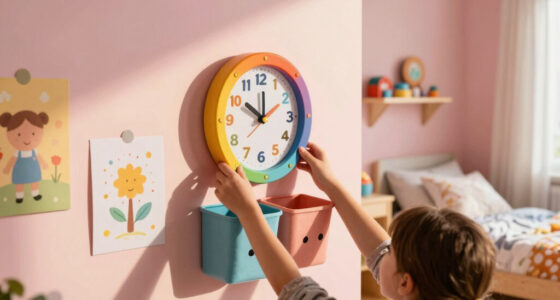
The secret to a room that ages well? Invest in quality, adaptable furniture paired with flexible decor. Think convertible cribs that turn into toddler beds—these not only save space but also extend the usability of your investment. Sturdy dressers that double as changing tables can accommodate your child’s growth and changing needs, while adjustable shelving ensures easy access as your child’s collection of books and toys expands.
Layered textiles, removable wall decals, and versatile accessories allow you to refresh the look without a complete overhaul. For example, a neutral-toned dresser can serve as a changing station today and a storage unit for toys or clothes later. The key tradeoff is investing in durable, high-quality pieces upfront—although often more costly initially, they save money over time by reducing the need for replacements and redesigns, and they provide peace of mind knowing the furniture is safe and long-lasting.
Prioritize safety features such as non-toxic finishes, rounded edges, and anchoring furniture to the wall. These choices are crucial as your child becomes more mobile, ensuring the room remains both stylish and secure as they grow. The tradeoff involves balancing cost with durability; higher-quality furniture often comes with a higher upfront price but offers better longevity and safety, which are essential for a long-term nursery investment.
As an affiliate, we earn on qualifying purchases.
How to Refresh Your Nursery Without Starting Over
Want to keep your nursery looking fresh as your child grows? Focus on non-permanent updates like wall decals, textiles, and accessories. Swapping out a colorful rug or changing the bedding set can make a big impact without a full redo.
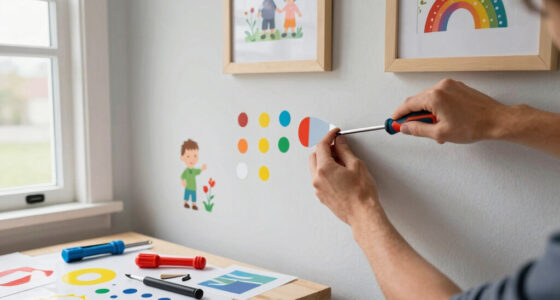
Consider using removable wallpaper or decals—these are easy to apply and peel off without damaging the walls, allowing you to experiment with patterns or themes that can be changed as your child’s interests evolve. A gallery wall of framed illustrations or photos can also be updated over time, reflecting your child’s changing interests and personality. These small updates help maintain a sense of freshness and personalization without the expense or disruption of repainting or major redecorations.
Establishing a seasonal or annual refresh routine—such as swapping in new art, updating lighting fixtures, or adding new textiles—can keep the space lively and engaging. This approach not only keeps the room feeling current but also encourages your child to take pride in their environment. The tradeoff is that some updates may require minimal investment or effort, but they can significantly enhance the room’s ambiance and functionality over time, making the space feel new without the hassle of a full overhaul.
As an affiliate, we earn on qualifying purchases.
Safety Must-Haves for a Nursery That’s Both Stylish and Safe
Safety is the foundation of any nursery design. Always choose cribs that meet current standards—no drop-side models, and ensure they are sturdy and properly anchored. Use cordless window treatments to prevent strangulation hazards, and opt for non-toxic, low-VOC paints and finishes. These choices not only protect your child’s health but also contribute to a calm, clutter-free environment.
Secure heavy furniture to the wall to prevent tipping, and keep cords, small objects, and choking hazards out of reach. Regularly inspecting furniture for recalls, stability, and wear is essential as your child’s mobility increases. Creating a safe nursery isn’t just about compliance; it’s about understanding how each element interacts with your child’s developmental stage and ensuring that safety measures evolve accordingly. For example, as your child becomes more mobile, securing furniture and removing hazards becomes an ongoing process rather than a one-time fix.
A safe nursery promotes peace of mind, allowing your child to explore freely within a protective environment. When safety and style work hand-in-hand, the nursery becomes a sanctuary where your child can thrive and grow confidently. Remember, safety isn’t a one-time setup; it’s an ongoing commitment that adapts as your child’s abilities change.
Frequently Asked Questions
What are the best gender-neutral nursery themes that won’t feel babyish in a few years?
Themes like woodland animals, botanical scenes, space, ocean, and vintage storybook motifs are timeless. They adapt easily as your child grows, maintaining their charm without feeling juvenile.What colors count as gender-neutral besides gray and beige? How do I keep the room from feeling cold?
Warm neutrals like sage green, terracotta, mustard, and navy create cozy, inviting atmospheres. Layer textures—soft textiles, rugs, and curtains—to add warmth and personality.How can I make the nursery transition easily to a toddler room?
Focus on furniture that converts, like cribs that turn into beds, and decor that’s easy to update—think removable decals and interchangeable textiles. Keep the core elements neutral, so they grow with your child.Is gender-neutral the same as minimalist? Do I have to give up color and pattern?
Not at all. You can have a lively, patterned nursery in neutral tones. Think abstract shapes, textured textiles, and layered decor that add personality without leaning into stereotypical colors.What safety features should I prioritize when designing the nursery?
Choose cribs that meet current safety standards, secure heavy furniture to the wall, use cordless window treatments, and opt for low-VOC paints. Regular safety checks are also key.Conclusion
Creating a nursery that ages well isn’t about chasing every trend but about building a foundation of warmth, versatility, and safety. Think of it as planting a tree—what you choose today shapes the space your child will grow up in tomorrow.
With thoughtful colors, timeless themes, and adaptable furniture, your nursery can become a beloved space that evolves alongside your child’s journey. Start with a room that feels like home, and watch it grow with them.
Columbus Day / Indigenous Peoples' Day Picks
long weekend sales
As an affiliate, we earn on qualifying purchases.