
TL;DR

Get decor and gifts delivered free with Prime
- Fast, free delivery on millions of items
- Prime Video, Amazon Music and more included
- Member-only deals all year
Most children learn to tell time between ages 5 and 7, with mastery by age 8-9. Using engaging tools and real-world routines makes learning easier and more fun for kids.
Imagine a 6-year-old glancing at the clock, confidently stating it’s 3:15 — it’s a small victory that feels like a big step. But when exactly is the right time for your kid to start telling time? There’s no one-size-fits-all answer, but understanding their developmental stage can make a world of difference.
In this guide, you’ll discover the typical age ranges, effective teaching methods, and real-life tips to help your child grasp this essential skill. Knowing when and how to introduce telling time can turn a potentially confusing process into a rewarding adventure.
Most children learn to tell time between ages 5 and 7, with mastery by age 8-9.
Start with digital clocks for confidence, then introduce analog clocks for deeper understanding.
Use real routines and playful activities to make learning engaging and relevant.
Children develop at different paces; watch for signs of readiness rather than age alone.
Introducing both 12-hour and 24-hour formats should be based on interest and practical needs.
When Do Kids Usually Get the Hang of Telling Time?
Most children are ready to start recognizing clock faces and grasping the idea of time around age 5 or 6. By age 7 or 8, many can read both analog and digital clocks independently. Think of it as a step-by-step climb, with each year building on the last.
For example, a child in first grade might learn to identify the hour hand and understand that it points to the current hour. By third grade, they start understanding minutes and how they relate to the hour.
However, every child is unique. Some pick up the concept as early as age 4 if they’re naturally curious or have older siblings. Others may need more time, especially if they struggle with other cognitive skills.
Understanding these milestones helps parents and teachers set realistic expectations. Recognizing that each child’s developmental timeline varies emphasizes patience and tailored instruction. For instance, rushing a child before they are ready can lead to frustration and confusion, while waiting too long might mean missing the optimal window for grasping foundational concepts. The key is observing individual signs of readiness and providing supportive, gradual exposure. This awareness allows educators and parents to adapt their teaching pace, ensuring the child feels competent and motivated rather than overwhelmed or bored.
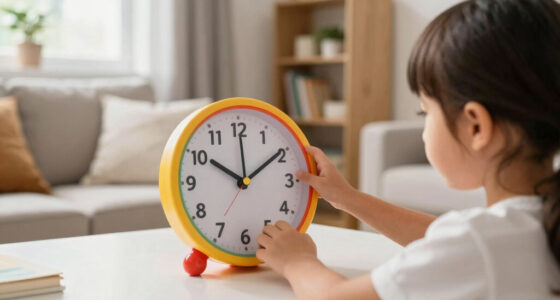
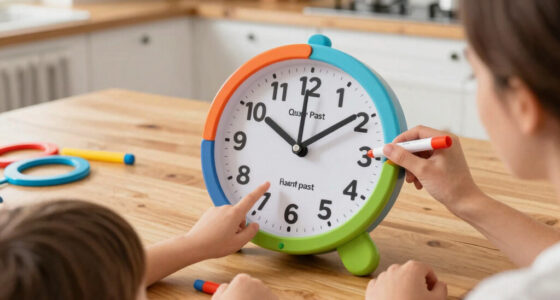
kids learning clock with movable hands
As an affiliate, we earn on qualifying purchases.
As an affiliate, we earn on qualifying purchases.
How to Tell If Your Child Is Ready to Learn Telling Time
Look for signs that your child can grasp simple concepts like parts of a clock or can follow routines based on time. For example, if they understand that breakfast is at 8 am and bedtime is at 8 pm, they may be ready to learn clock reading. Recognizing these signs is important because they reflect the child’s ability to connect abstract concepts of time with their concrete daily experiences, which is crucial for meaningful learning. When children show understanding of routines, it indicates they are beginning to see time as a tool that helps organize their world, making formal lessons more relevant and less intimidating. Moreover, a child who is curious about how clocks work or asks questions about time demonstrates an internal motivation to learn, which can significantly enhance their grasp of the skill. Teachers and parents should consider these cues as indicators that formal instruction can be introduced, but also remain attentive to individual differences in curiosity and comprehension to tailor the approach accordingly.
digital clock for children learning to tell time
As an affiliate, we earn on qualifying purchases.
As an affiliate, we earn on qualifying purchases.
Simple Steps to Teach Your Kid to Read Clocks
- Start with the basics: Use a toy clock or a real one with movable hands. Show how the short hand points to the hour, and the long hand points to the minutes. Emphasize that understanding the relationship between these hands helps them read the time accurately, which is essential for daily planning and independence. This foundational understanding is critical because it establishes the visual and conceptual link between the clock’s parts and the passage of time. Without this, attempts to read actual clocks can become confusing, leading to misconceptions or frustration. By mastering these basics early, children develop confidence and a solid mental model of how time is represented, which they can build upon as they progress.
- Introduce the concept of hours: Explain that the clock face is divided into 12 parts, each representing an hour. Clarify that this division is a way to organize the day, and understanding it helps children manage their routines and responsibilities. Recognizing the division into hours helps children understand the cyclical nature of time and how it relates to their daily schedule. This understanding also prepares them for more complex concepts like elapsed time and scheduling, which are vital life skills. The tradeoff here is balancing the simplicity of the 12-hour division with the need to eventually understand 24-hour time, so introducing this early makes future learning smoother.
- Move on to minutes: Show how the minute hand points to the numbers, counting by fives to understand 5, 10, 15, etc. Highlight that mastering this skill allows children to tell time precisely, which is crucial for punctuality and scheduling. This step deepens their understanding by linking the visual position of the minute hand to numerical values, reinforcing their ability to read the clock accurately. It also introduces the concept of increments and measurement, which are fundamental in math and real-world tasks. The tradeoff is that focusing too early on precise minute reading without a solid grasp of hours can cause confusion; thus, gradual progression is recommended.
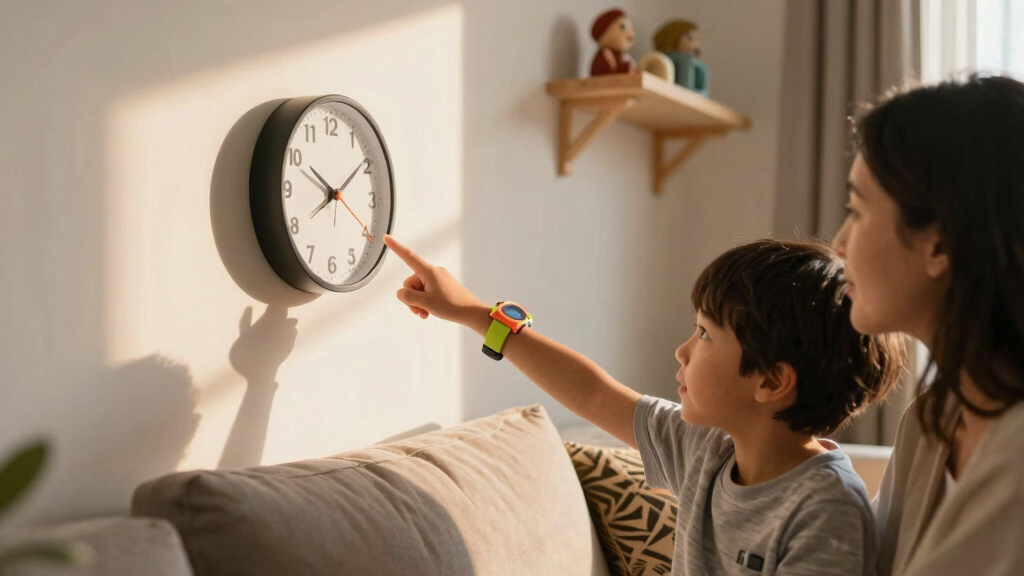
- Practice with real routines: Use mealtimes or screen time as cues. “It’s 3:30 now — can you tell what the clock says?” This contextual learning helps children see the relevance of their skills in everyday life. Embedding time-telling into daily routines makes the learning meaningful and memorable, fostering better retention. It also helps children understand the practical importance of reading clocks, which can motivate them to learn. The tradeoff is that routines can vary, so consistency and patience are key to ensuring the child internalizes the concept rather than just memorizing specific times.
- Use engaging tools: Incorporate interactive apps or games that make learning feel like play. These tools provide instant feedback, reinforce concepts, and keep children motivated. The advantage of digital tools is their adaptability to individual learning paces and their ability to make abstract concepts concrete through visual and interactive elements. However, over-reliance on screens can reduce face-to-face interaction, so balance is important. Combining digital and hands-on activities ensures a comprehensive understanding that is both engaging and effective.
- Gradually introduce digital clocks: Show how they display the same time as analog clocks, but with numbers. Explaining the equivalence between formats helps children understand that time is consistent across different representations, deepening their conceptual grasp. This step is essential because it prepares children for real-world scenarios where both formats are used. It also helps them see that different representations are just different ways of expressing the same information, which enhances their flexibility and problem-solving skills. The tradeoff here is timing; introducing digital clocks too early might cause confusion if the child hasn’t yet mastered analog reading, so timing should be aligned with their readiness.
As an affiliate, we earn on qualifying purchases.
Compare Teaching Methods: Analog vs Digital Clocks
| Method | Pros | Cons |
|---|---|---|
| Analog Clocks | Builds understanding of the passage of time, visual connection to parts of a clock | More complex for beginners, requires understanding of fractions and angles |
| Digital Clocks | Simpler for young children, shows clear numbers, faster recognition | Less visual connection to the concept of time passing, can be confusing for understanding hours and minutes |
Start with digital clocks to build confidence, then introduce analog clocks for deeper understanding. Both are valuable, but the sequence depends on your child’s age and learning style.
Choosing between these methods involves understanding the trade-offs: analog clocks foster a deeper comprehension of the flow of time, which is foundational for more advanced time concepts. Digital clocks, however, offer immediate clarity, reducing initial frustration. The ideal approach often combines both, starting with digital for quick wins and progressing to analog for conceptual depth. Recognizing your child’s learning style and patience level will guide the sequence that best supports their mastery and confidence in telling time.
analog and digital clock learning set for children
As an affiliate, we earn on qualifying purchases.
As an affiliate, we earn on qualifying purchases.
Making Learning to Tell Time Fun and Practical
Kids love stories, colors, and hands-on activities. Turn telling time into a game — hide a clock and ask, “What time is it?” or set a timer for fun challenges like “Can you set the clock to 4:15?”.
Use daily routines as teaching moments. Let your child set the alarm clock for morning wake-up or help you decide when to leave for school based on the clock.
Incorporate colorful, easy-to-read clocks in their room. The rich reds, blues, or pastel shades draw their attention and make checking the time a visual delight.
For example, a child might giggle as they set the clock for their favorite cartoon’s start time, making the learning process lively and memorable. Making learning fun and relevant ensures that children stay engaged, which is critical for long-term retention and confidence. When children associate clocks with enjoyable activities and routines, they develop a positive attitude towards learning this skill, making it a natural part of their daily lives.
When Should Kids Master Reading Both 12-Hour and 24-Hour Clocks?
Kids generally learn the 12-hour format first, around age 7 or 8, since it aligns with their daily experiences and social interactions. The 12-hour system is more intuitive for most children because it matches how they perceive time in everyday conversations and routines. The 24-hour clock, however, is used in contexts like military, international travel, and scientific settings, which require a different conceptual understanding. Introducing it too early can cause confusion or overwhelm, but delayed exposure might limit their ability to interpret schedules that use this format. Recognizing when to introduce the 24-hour clock involves understanding the child’s curiosity, exposure to relevant contexts, and their ability to grasp more complex representations of time. If they show interest or encounter the 24-hour format in daily life, gradual, contextual explanations can help them see it as a useful extension rather than an entirely new concept. This careful, paced introduction ensures they develop a flexible, comprehensive understanding of time that adapts to various situations, reducing confusion and increasing confidence in diverse settings.
To bridge this understanding, start with simple comparisons like “This is 14:00, which is 2:00 pm.” Show them that the 24-hour system is just a different way of expressing the same time, often by relating it to familiar routines or schedules. Practical exposure, such as reading bus schedules, flight times, or international TV guides, helps children understand and accept the 24-hour system as a useful tool rather than an abstract concept. This gradual approach ensures they develop a flexible understanding of time, preparing them for diverse real-world situations and fostering confidence in their time-telling skills across different formats.
Frequently Asked Questions
At what age should my child be able to tell time?
Most children start recognizing clock faces and understanding the concept of time around age 5 or 6. Mastery typically occurs by age 8-9, but it depends on your child’s development and interest.
What are the best ways to teach my child to tell time?
Use hands-on tools like clocks with movable hands, incorporate daily routines, and turn learning into games. Starting with digital clocks can build confidence before moving to analog clocks for deeper understanding.
How can I tell if my child is ready to learn to tell time?
Look for signs like understanding basic routines, recognizing parts of a clock, and asking questions about time. If they can identify the current hour or show curiosity, they’re likely ready to begin.
Are there recommended tools or apps for teaching kids to tell time?
Yes, interactive clocks and educational apps that turn learning into a game are highly effective. Many apps allow kids to practice setting clocks and reading different formats, making learning fun and engaging.
What if my child struggles with understanding time?
Be patient and break the concept into smaller steps. Use visual aids, real clocks, and relate time to daily routines. Celebrate small successes to build confidence and keep the experience positive.
Conclusion
Learning to tell time is a step toward independence. When your child starts reading clocks confidently, they gain a new sense of control over their day. It’s a milestone that grows with them, unlocking routines and responsibilities.
Remember: patience and practice turn a confusing clock into a familiar friend. Encourage curiosity, make it fun, and celebrate each tiny victory — because understanding time is a skill that keeps giving long after the clock strikes.
Halloween Picks
halloween
As an affiliate, we earn on qualifying purchases.