
TL;DR

Get decor and gifts delivered free with Prime
- Fast, free delivery on millions of items
- Prime Video, Amazon Music and more included
- Member-only deals all year
House Beautiful published a roundup of 13 home design features that interviewed designers say they would avoid in their own spaces. Their concerns include maintenance, installation, durability, cost and everyday practicality; the advice is expert opinion, not a finding that the features are unsuitable for every home.
House Beautiful has published a list of 13 home features that interviewed interior designers say they would not choose for their own spaces, citing concerns such as high maintenance, difficult installation and limited everyday usefulness. The roundup is expert guidance rather than a universal verdict: whether a feature makes sense depends on a household’s budget, layout and willingness to care for it.
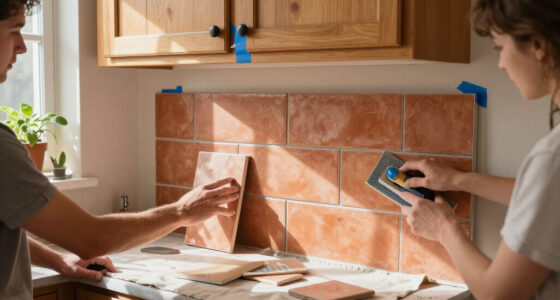
The report covers a mix of finishes, furnishings and built-in amenities. Tile expert Jamie Chappell of Fireclay Tile cautions that handmade zellige tile can vary in size and thickness, complicating installation, and may chip, craze or stain. Chappell raises similar upkeep concerns about cement tile, describing it as porous and susceptible to staining and etching, with regular sealing and careful maintenance required.
Other designers focus on how features affect a room’s use. Yvonne Harty of Harty Interiors says waterfall kitchen islands can add expense while reducing storage and seating, and their corners can chip. Designer Brieanna Cunningham of C&C Partners also points to limited storage and outlet placement. For smart-home packages, Cunningham warns that systems can be costly and may be affected by Wi-Fi problems, malfunctions or software updates.
The list also includes white linen furniture, which designer Jessica Alpert says is difficult to keep clean in a busy household, and built-in coffee makers, which Alpert says require ongoing cleaning and maintenance. Cara Shahbandi of Stanton Home Design advises against low-quality, disposable furniture, arguing that shoppers should save for pieces designed to last. Harty says freestanding tubs need ample surrounding space; in a cramped layout, cleaning behind one can be difficult and its visual effect diminished.
The Cost of Looks and Upkeep
The advice highlights a practical trade-off behind renovation decisions: purchase and installation costs are only part of the commitment. Materials that need frequent sealing, systems that require troubleshooting, or furniture that is hard to clean can add time and expense after a project is finished. Layout choices can also affect storage, seating and access to outlets.
For readers planning a renovation, the list offers questions to raise before committing: How much routine care does the feature need? Will it fit the room’s dimensions and daily use? Can it be repaired or replaced without significant cost? The designers’ views can inform that assessment, but they do not establish that every homeowner will have the same experience.
Products Worth Considering

WORX 20V Cordless 18-Gauge Brad Nailer, WX842L

DEWALT 20V MAX XR 3-Speed Cordless Impact Driver Kit (DCF845P1)

EGO POWER+ HT2600 26-Inch Cordless Hedge Trimmer (Battery and Charger Not Included)
As an affiliate, we earn on qualifying purchases.
How Designers Weighed These Choices
The source report frames the discussion around renovation decisions, which can involve substantial spending whether a homeowner hires professionals or does some work themselves. It notes that appealing trends do not automatically make sense over the long term, particularly when upkeep or functionality is a concern.
Rather than reporting a study or survey, House Beautiful presents interviews with a handful of design professionals. The supplied material details the objections above and identifies the story as a 13-feature roundup, but it does not provide the complete remaining entries. The list should therefore be understood as a selection of attributed professional opinions, not a ranked assessment of home products or a measurement of consumer outcomes.
“Because each piece is handmade, there’s a lot of variation in size and thickness, making installation slow and tricky.”
— Jamie Chappell, Fireclay Tile
Limits of the Designers’ Advice
The supplied report excerpt names 13 features in its headline but provides detailed material for only eight items: zellige tile, cement tile, waterfall islands, smart homes, white linen furniture, built-in coffee makers, disposable furniture and freestanding tubs. The other five entries and their supporting comments are not included in the source material provided here, so they cannot be described or attributed in this article.
The report also does not give comparative cost figures, product tests, survey results or evidence that these features fail across different homes. The designers’ comments are professional opinions about trade-offs; individual results can vary with installation, product quality, room size, household needs and maintenance.
Questions to Ask Before Renovating
The source material does not announce a policy change, product launch or scheduled follow-up. For homeowners considering any of these features, the immediate next step is to compare the full costs and care requirements with the benefits: ask installers about maintenance and repair, check that the dimensions suit the room, and consider how the feature will work for the people who use the space.
Any further details about the five entries not included in the supplied excerpt, or additional reporting from House Beautiful, remain unconfirmed here. Readers should consult the complete original report for its full 13-item list.
Key Questions
Which home features are detailed in the available report?
The supplied material discusses zellige tile, cement tile, waterfall islands, smart-home systems, white linen furniture, built-in coffee makers, disposable furniture and freestanding tubs. Although the headline refers to 13 features, the excerpt does not include details about the remaining five.
Why do the designers object to zellige and cement tile?
Tile expert Jamie Chappell says zellige’s handmade variation can make installation slow and difficult, and that the surface can chip, craze or stain. Chappell describes cement tile as porous and prone to staining and etching, with sealing and careful maintenance needed.
Are smart-home systems always unreliable?
No. The source reports Cunningham’s concern that systems can be costly and affected by malfunctions, Wi-Fi interruptions or update glitches. It provides no testing or failure rates showing how often these problems occur.
Does the report say homeowners should never install these features?
No. The designers discuss drawbacks they would weigh in their own spaces. Their comments are not a blanket prohibition; budget, room layout, household routines and tolerance for upkeep can change whether a feature is a good fit.
Source: housebeautiful.com