
TL;DR

Get decor and gifts delivered free with Prime
- Fast, free delivery on millions of items
- Prime Video, Amazon Music and more included
- Member-only deals all year
Vintage and secondhand furnishings are gaining ground in interior design, with market estimates pointing to growth in resale apparel and used furniture. The source report also cites a 2026 survey in which 81% of interior designers said they source furniture and decor from the 1920s through the 1990s. The figures indicate growing interest, but do not establish why every shopper or designer chooses resale.
Vintage and secondhand furnishings are becoming a more visible part of mainstream interior design, according to a Livingetc report that cites resale-market forecasts and a 2026 survey of designers. The shift matters to shoppers and the home furnishings trade because it puts used, distinctive pieces alongside new products as a source of both style and value.
The report describes a change in who shops at estate sales and thrift stores: the writer, who once recalls being among the youngest people in line, now sees more Gen Z shoppers looking for clothing and furnishings. That account is personal observation, not a count of shoppers or a measure of the market. It illustrates the report’s broader point that secondhand shopping has become more culturally visible.
Several figures cited in the report suggest the market is expanding. ThredUp’s 13th Annual Resale Report projects the global secondhand apparel market will reach about $367 billion by 2029, including roughly $74 billion in the United States. Apparel is presented as an indicator of wider resale interest, not as a direct measure of furniture sales. Mordor Intelligence estimates the secondhand furniture market will rise from about $47 billion in 2025 to $62.7 billion by 2031. Technavio projects growth of about $11.24 billion from 2025 to 2030.
The report also cites a 2026 1stDibs designer survey: 81% of respondents said they source furniture and decor from the 1920s through the 1990s. UK vintage furniture marketplace Vinterior reported that sales to interior designers were up 53% year over year in 2026. These are separate measures from different sources; the article does not provide full survey methodology or underlying sales data.
Vintage Moves Into Design Briefs
The figures and examples point to older furnishings being valued for more than their lower purchase price. Buyers and designers may seek distinctive designs, visible craftsmanship, patina and provenance—features that can make a room feel less standardized. The report describes this as a shift in taste: age and a piece’s story can now contribute to its appeal rather than count against it.
For shoppers, more demand can mean a wider selection of resale channels, but it may also raise competition for sought-after pieces. For designers and sellers, the trend creates commercial opportunities in sourcing and reselling vintage goods. The cited market projections suggest room for expansion, but they are forecasts, not proof that resale is replacing new furniture purchases.
As an affiliate, we earn on qualifying purchases.
From Budget Finds to Provenance
The writer traces their own interest in secondhand shopping to visits to auction houses and thrift stores with their grandmother, whose budget did not always match her taste. In the report, resale offered a way to find well-made, individual pieces without paying new-retail prices. The writer later made thrift stores a regular first stop for furniture, art and clothing.
The article contrasts that earlier view of secondhand shopping as a niche or budget choice with its current presence in design coverage and estate-sale crowds. It also notes a broader change in how pieces are described: a repurposed tree or reclaimed material can be valued for its history as well as its function. One example is a kitchen island made from a London plane tree that once stood in Soho Square, in a project by ROAR Architects. The report presents such provenance as part of the appeal, not as evidence that all vintage sourcing is sustainable or less expensive.
““What used to feel niche now feels cultural. The thrill is the same — the early alarm, the first walk-through, the quick mental math — but the crowd has changed.””
— Livingetc report author
secondhand mid-century modern furniture
As an affiliate, we earn on qualifying purchases.
As an affiliate, we earn on qualifying purchases.
The Limits of the Market Figures
The cited numbers do not all measure the same thing. Apparel forecasts, furniture-market estimates, designer survey responses and marketplace sales are different indicators, with distinct time periods and methods. The report does not include detailed methodology for each figure, so readers cannot use them as a direct comparison or as a single estimate of the full resale economy.
It is also unclear how much of the reported growth reflects environmental concerns, affordability, fashion for unique objects or other factors. The report describes these as possible motivations but does not quantify their influence. Its excerpt ends while introducing shoppers’ search for one-of-a-kind finds, so it provides no further attributed evidence or complete explanation of that behavior.
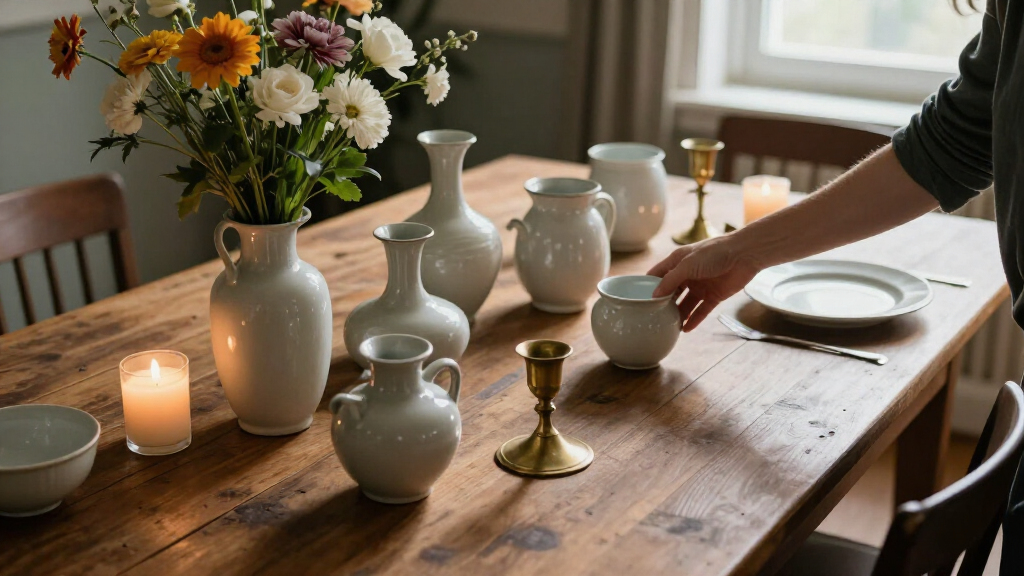
antique and vintage home accessories
As an affiliate, we earn on qualifying purchases.
As an affiliate, we earn on qualifying purchases.
Whether Demand Sustains Growth
The next indicators will be whether projected market growth appears in later sales data and whether designers continue sourcing older furnishings at similar rates. Updated resale reports, marketplace results and future designer surveys could clarify whether the trend is broadening or concentrated in particular categories and price ranges.
For now, the report documents a shift in visibility and cites forecasts that point toward continued expansion. It does not establish how resale will change new-furniture sales or whether current demand will persist. Those questions depend on future consumer behavior and the performance of both secondhand and conventional retail markets.
As an affiliate, we earn on qualifying purchases.
Key Questions
What is changing in interior design?
The report describes vintage and secondhand furnishings becoming more visible in design projects, with older pieces valued for their character, craftsmanship and history as well as their cost.
How much do the cited figures say the resale market could grow?
Mordor Intelligence estimates the global secondhand furniture market could grow from about $47 billion in 2025 to $62.7 billion by 2031. ThredUp projects the global secondhand apparel market could reach about $367 billion by 2029; that apparel figure is not a furniture-market estimate.
Are designers sourcing vintage furniture?
In the 2026 1stDibs survey cited by Livingetc, 81% of designers surveyed said they source furniture and decor from the 1920s through the 1990s. The report does not provide the survey’s full methodology.
Does the report prove that resale is replacing new furniture?
No. It presents market forecasts, survey findings and a writer’s observations, but does not compare resale directly with new-furniture purchases or establish that one is replacing the other.
Source: rss
Fall Picks
fall essentials
As an affiliate, we earn on qualifying purchases.