TL;DR

Get decor and gifts delivered free with Prime
- Fast, free delivery on millions of items
- Prime Video, Amazon Music and more included
- Member-only deals all year
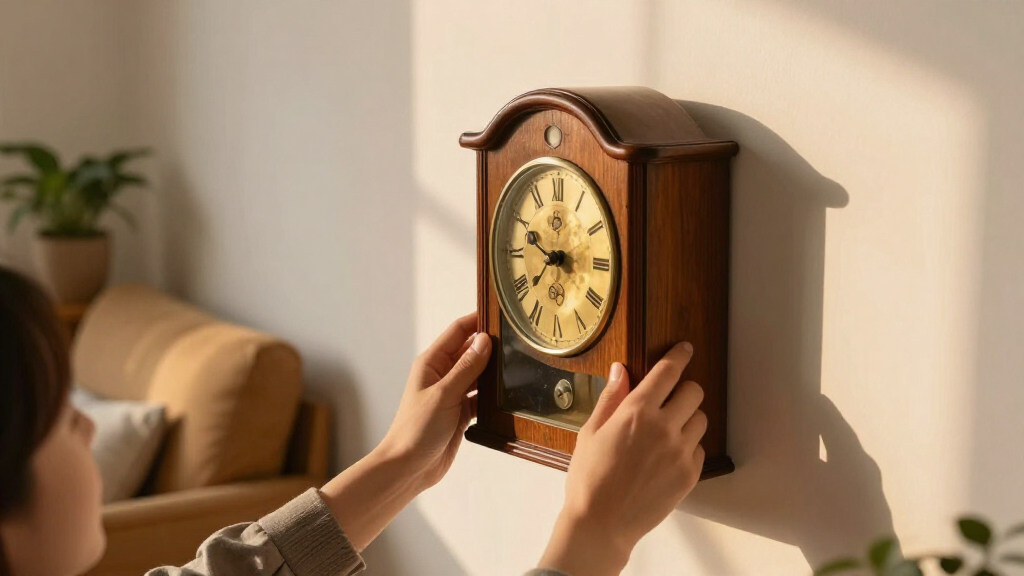
Some clocks have been ticking for over 600 years, blending centuries of craftsmanship with modern technology. They symbolize stability, history, and human ingenuity, from ancient mechanical towers to atomic precision standards.
Imagine a clock that’s been ticking longer than most countries have existed. These are the true giants of timekeeping—clocks that have withstood wars, fires, and centuries of change. Their stories aren’t just about gears and pendulums; they’re about human perseverance, craftsmanship, and the desire to tame time itself.
In this guide, you’ll meet some of the world’s longest-operating clocks, learn how they’ve survived millennia, and see what makes them so remarkable. Whether it’s a medieval tower or a modern atomic standard, these clocks remind us that some inventions stand the test of time—not just because they keep time well, but because they carry history on their faces.
Ancient mechanical clocks like Salisbury’s have survived over 600 years, mainly through careful restoration and respect for craftsmanship.
Modern atomic clocks are the most precise, maintaining accuracy to within a billionth of a second over millions of years.
Maintaining long-lived clocks involves a blend of traditional repair techniques and modern technology, ensuring they keep ticking without losing their historic…
These clocks symbolize human resilience, connecting us to centuries of history and technological evolution.
Whether historic or atomic, all long-running clocks embody the human desire to measure and master time.
Ancient Clocks That Started It All — How Old Are These Timeless Wonders?
The oldest clocks still in operation trace their origins back to medieval Europe and ancient China. Take the Salisbury Cathedral Clock in England—built around 1386—it’s often called the oldest surviving mechanical clock. While it might not have run every single day for 600+ years, it’s survived through restorations, making it a living relic.
Across the world, the Jinshan Temple Clock in China dates back to the Ming Dynasty, around the 16th century. It’s a striking example of early Chinese engineering, with a history intertwined with the rise and fall of dynasties. These clocks weren’t just timekeepers; they were symbols of technological prowess and spiritual significance.
What makes these ancient clocks so fascinating? Their mechanisms were built from wood, metal, and stone, often without the aid of modern tools. Despite that, many still tick today, a testament to the skill of their creators and the care of every generation that maintained them.
As an affiliate, we earn on qualifying purchases.
How Do These Old Clocks Keep Going? Secrets Behind Their Endurance
Maintaining a centuries-old clock isn’t just about replacing parts; it’s about respecting its history and engineering. Most of these clocks rely on weights, gears, and pendulums—a delicate ballet that requires constant tuning. Their endurance demonstrates a deep understanding of mechanical stability and the importance of ongoing care. If neglected, even the most durable mechanisms can fail, which is why preservation involves more than just repairs—it’s a form of stewardship that ensures the clock’s story continues.
The Salisbury Clock, for example, has undergone multiple restorations, often using traditional techniques. Craftspeople carefully replace worn gear teeth or clean the intricate mechanisms to keep the clock running. Modern tech is sometimes added—like electric winders—to help preserve its original charm while ensuring it keeps ticking. This hybrid approach balances authenticity with practicality, highlighting that longevity isn’t just about age but about adaptive preservation strategies.
Contrast that with the Big Ben in London, which, since 1859, has been a symbol of resilience. Its massive bell and intricate mechanism have been modernized over the years, including a major restoration in 2017 that improved precision and preserved the historic exterior. The tradeoff here involves balancing historical integrity with functional improvements—sometimes, modernization is necessary to prevent total failure, but it must be approached carefully to respect the clock’s heritage.
The secret? Respectful maintenance, adaptive restoration, and sometimes, a pinch of modern engineering magic. These clocks remind us that longevity is about more than durability—it’s about ongoing care, strategic upgrades, and reverence for craftsmanship that has stood the test of time. For owners and conservators, understanding this balance can mean the difference between a clock fading into obscurity or continuing to serve as a testament to human ingenuity.
antique mechanical clock restoration kit
As an affiliate, we earn on qualifying purchases.
As an affiliate, we earn on qualifying purchases.
From Mechanical Marvels to Atomic Titans — The Evolution of Long-Running Clocks
Clocks have come a long way—from mechanical gears to the atomic vibrations that keep our GPS satellites precise today. But which clocks are the longest-running in their categories?
Mechanical clocks like the Salisbury Tower clock have been in operation since the 14th century, often rebuilt or restored but still fundamentally mechanical. Their charm is in their craftsmanship and history.
Fast forward to today, atomic clocks like the NIST-F1 in the US or the MSF radio signal in the UK achieve mind-boggling accuracy. These clocks are so precise that they won’t lose a second in over 100 million years. They’re used for GPS, scientific experiments, and global time synchronization.
Understanding the evolution from mechanical to atomic clocks reveals how technological advancements have expanded our capacity to measure time with unprecedented precision. This progress reflects a fundamental tradeoff: earlier clocks prioritized durability and craftsmanship, often at the expense of ultimate accuracy, while modern clocks focus on scientific precision, sometimes sacrificing the tangible craftsmanship of their ancestors. Recognizing this helps us appreciate the value of both historical preservation and scientific innovation, informing decisions about which type of clock best fits specific needs—whether for heritage, science, or everyday use.
Here’s a quick comparison:
| Type of Clock | Approximate Age | Key Feature | Current Use |
|---|---|---|---|
| Ancient Mechanical (e.g., Salisbury) | Over 600 years | Historical craftsmanship | Heritage & tourism |
| Long-standing Mechanical (Big Ben) | Since 1859 | Symbolic resilience | Timekeeping & cultural icon |
| Atomic Clocks (NIST-F1) | Since 1999 | Unmatched precision | GPS, science, global sync |
The evolution from mechanical to atomic clocks illustrates how human priorities have shifted—from valuing craftsmanship and historical continuity to demanding scientific accuracy. This shift impacts how we design, preserve, and utilize clocks today. For example, heritage clocks serve educational and cultural purposes, while atomic clocks underpin modern technology and global infrastructure. Recognizing this helps us make informed choices about investing in preservation or technological upgrades, ensuring that we honor the past while embracing the future.
As an affiliate, we earn on qualifying purchases.
What’s the Secret Sauce? How These Clocks Stay Alive for Centuries
Keeping a clock alive for hundreds of years isn’t luck; it’s a mix of meticulous care, respect for tradition, and clever upgrades. For example, the upkeep of Big Ben involves replacing worn gears with historically accurate parts, often crafted by artisans who understand Victorian engineering.
In some cases, modern technology helps—like adding electronic sensors to monitor wear or adjusting mechanisms remotely. But the goal remains: preserve the clock’s original appearance and spirit while ensuring it keeps ticking.
Take the example of the Prague Astronomical Clock—built in 1410. It still draws crowds today because its maintenance team carefully restores its intricate astronomical dial and mechanical figures, blending old-world craftsmanship with modern conservation.
In essence, longevity hinges on respect, craftsmanship, adaptation, and sometimes a little engineering magic. This means that successful long-term preservation involves strategic planning: understanding which parts are most vulnerable, prioritizing authentic repairs, and integrating new technologies in a way that complements the original design. For instance, using non-invasive sensors to monitor wear can prevent catastrophic failures without altering the clock’s appearance. This strategic approach ensures that historic clocks remain functional and relevant, serving as physical links to our collective heritage while adapting to modern needs.
As an affiliate, we earn on qualifying purchases.
Why These Clocks Matter More Than Ever Today
These clocks aren’t just about telling time; they’re symbols of resilience and human ingenuity. They connect us to our past, remind us of craftsmanship’s value, and even influence modern technology.
For instance, the preservation of ancient clocks inspires modern conservation techniques and engineering. Meanwhile, atomic clocks are the backbone of GPS, helping us navigate daily life with pinpoint accuracy—think about how your smartphone knows exactly where you are.
Every tick of these clocks, old or new, tells a story of progress, perseverance, and the relentless human drive to measure and understand time—an invisible force shaping our entire world. Recognizing their importance can also influence our decisions about investing in preservation or technological upgrades, ensuring these timepieces continue to serve future generations. Whether as cultural icons or scientific tools, they remind us that timekeeping is a reflection of human aspiration and resilience, with practical implications for how we live, work, and connect.
Frequently Asked Questions
What is the oldest clock still in operation today?
The Salisbury Cathedral Clock, built around 1386, is often called the oldest surviving mechanical clock, though it’s uncertain if it has run continuously. It remains a remarkable symbol of medieval engineering and preservation.
How do historic clocks stay operational after hundreds of years?
Through meticulous maintenance, expert restorations, and sometimes modern upgrades, these clocks are kept alive. Craftspeople replace worn parts with historically accurate materials, and modern sensors monitor their health, blending old-world craftsmanship with new technology.
Are there clocks that have been running continuously for centuries?
Most historic clocks have undergone restorations, so continuous operation over centuries is rare. However, some have been kept running with minimal interruption thanks to dedicated caretakers and conservation efforts.
What is the most accurate clock in the world?
Atomic clocks like the NIST-F1 are the most precise, maintaining accuracy to within a billionth of a second over millions of years. They are the backbone of GPS and scientific research today.
Can old clocks be converted to atomic or digital systems?
Many historic clocks are preserved in their original form, but some are integrated with modern technology for monitoring and accuracy. This hybrid approach helps ensure long-term operation while respecting their heritage.
Conclusion
Long-standing clocks remind us that some things are worth preserving—crafted with skill, cared for through generations, and still ticking today. They’re monuments to human ingenuity and patience, blending history with modern science.
Next time you see an ancient clock, imagine the centuries it’s witnessed—and the countless moments it’s marked. That enduring tick is a quiet testament to our relentless pursuit to understand the flow of time itself.
Halloween Picks
halloween
As an affiliate, we earn on qualifying purchases.