TL;DR

Get decor and gifts delivered free with Prime
- Fast, free delivery on millions of items
- Prime Video, Amazon Music and more included
- Member-only deals all year
A Hunker report describes DIYers using wallpaper to make electrical panel covers blend into decorated rooms or appear more like a feature on a painted wall. The approach is cosmetic: the panel must remain accessible, its door must close properly, and wallpaper must stay outside the electrical box.
Wallpaper is being used by DIYers to make visible electrical panel covers blend into room decor, according to a report by Hunker. The decorating approach can reduce the visual prominence of a metal cover, but the report warns that the panel must remain easy to locate and open, and that paper must not reach inside the electrical box.
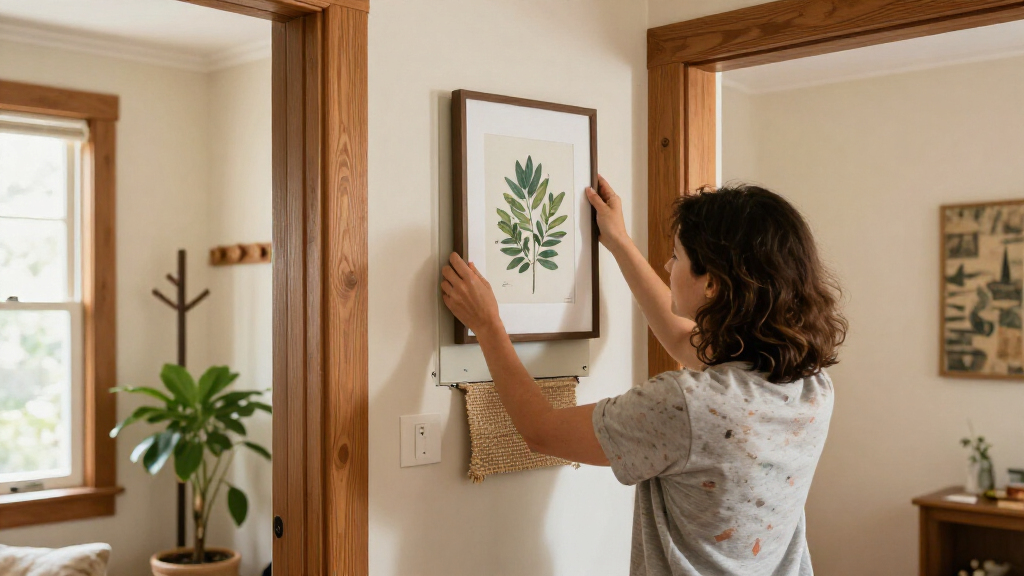
Hunker describes two approaches: using wallpaper that matches an already-papered wall, or applying a small patterned piece to a painted wall so the panel reads more like a decorative feature. Some DIYers use peel-and-stick wallpaper, while traditional wallpaper may be attached to the exterior of the closed cover with adhesive. The report also mentions framing the covered panel as an option, provided the result does not obstruct access.
For the matching-wallpaper method, the report recommends aligning a cut piece with the surrounding pattern. For a painted wall, a smaller panel of paper can be placed over the closed box, then trimmed at the seam around the door. Another method is to apply separate pieces to the outside of the door and its outer frame. In either case, the stated aim is to keep excess material from folding into the box or interfering with the door.
Hunker says the handle should remain visible so the panel can be opened quickly. It also cautions against covering labels on the exterior, blocking the panel, or preventing the door from closing and sealing as designed. The report says to check local codes, which may impose rules on how electrical panels can be covered. These are practical cautions in the source report, not confirmation that a particular wallpaper installation complies with local requirements.
Aesthetic Changes Must Preserve Access
The design idea addresses a common home-layout problem identified in Hunker’s report: electrical panels are sometimes installed in living rooms, bedrooms or hallways, where a plain metal door can stand out against the rest of a decorated space. Wallpaper offers a way to soften that contrast without hanging a separate picture that could look out of place or conceal the panel entirely.
But an electrical panel is functional equipment, not just a surface to decorate. Someone may need to find and open it during an electrical problem or another emergency. Hunker notes that first responders may also need access. Preserving a visible handle and an unobstructed door can help avoid turning a cosmetic improvement into a barrier to access.
The report also points to the cover’s role in containing heat if a problem occurs. That makes the distinction between decorating the outside and altering or obstructing the equipment important. A finish that looks seamless is not a substitute for checking local requirements or keeping the cover in its intended working condition.
Products Worth Considering

DEWALT 20V MAX XR Brushless 3-Speed Oscillating Multi-Tool Kit (DCS356C1)

Greenworks 24V Brushless Drill and Impact Driver Combo Kit with Two 2.0Ah USB-C Batteries and 65W Charger

Bosch GTS18V-08N14 PROFACTOR 18V 8-1/4-Inch Portable Table Saw Kit with 8 Ah Battery
As an affiliate, we earn on qualifying purchases.
How the Wallpaper Approach Works
Hunker presents wallpaper as an alternative to hanging art over a breaker box. A picture or other wall decoration may hide the metal door, but it can look awkward and could make the panel less apparent. Wallpaper, by contrast, can match the surrounding wall or turn the cover into a small, deliberate visual accent while leaving its outline recognizable.
The report describes the idea as a DIY decorating technique seen in social-media posts, including a TikTok creator identified as cowapocalypses. It does not describe a newly introduced product, a change to electrical standards, or a formal endorsement by an electrical authority. Its examples focus on applying paper to the outside of a closed panel cover, trimming it neatly, and avoiding the box’s interior.
“Wallpaper can be a creative way to hide your breaker box or electrical panel and maintain the aesthetic of your space.”
— Hunker report
Local Rules and Installation Details
The supplied report does not identify a specific jurisdiction, quote electrical-code provisions, or establish whether a particular wallpaper, adhesive or installation method is permitted under local rules. Requirements can vary by location, so the general advice to check local codes does not settle whether an individual project is compliant.
The report also does not provide independent testing of materials, address every type of electrical panel, or confirm that a covered panel will be readily identifiable in every room. It is unclear from the source whether the social-media examples were inspected by a qualified professional. Readers should treat the examples as decorating ideas, not as technical approval for modifying electrical equipment.
Check the Panel Before Decorating
Anyone considering the technique should first check the rules that apply to their home and confirm that the panel door, handle and required exterior labels will remain visible and usable. The cover must close as intended, and paper or adhesive must stay on the exterior rather than extending into the box. If the installation would interfere with access, closure or the equipment, do not proceed with that design.
Where code requirements or the condition of the panel are uncertain, ask a qualified electrician or local building authority before applying materials. The Hunker report does not announce a regulatory decision or a follow-up review, so the next step for homeowners is case-by-case verification rather than relying on a single universal method.
Key Questions
Can wallpaper be used to disguise an electrical panel?
Hunker describes it as a cosmetic option for the outside of a panel cover, including matching wallpaper or a small decorative piece. Whether a specific installation is permitted depends on local rules and whether the panel remains accessible and functional.
Can wallpaper cover the panel handle?
The report recommends keeping the handle visible so the panel can be found and opened quickly. It also cautions against hiding required exterior labels.
Can adhesive or wallpaper go inside the electrical box?
No. The report says wallpaper and adhesive should remain on the outside of the cover and must not touch the inside of the box. The door should still close and seal properly.
Is this method approved by electrical codes?
The supplied report does not cite a specific code or confirm approval. Local requirements vary, so homeowners should check with their local building authority or a qualified electrician before decorating a panel cover.
Source: rss