
TL;DR

Get decor and gifts delivered free with Prime
- Fast, free delivery on millions of items
- Prime Video, Amazon Music and more included
- Member-only deals all year
Interior designers interviewed by House Beautiful describe “cushcore” as a comfort-focused approach to decorating, often centered on plush, generously filled seating. They recommend balancing soft materials with restrained colors and considered layouts; the trend’s reach and popularity beyond designers’ observations are not established in the report.
Interior designers interviewed by House Beautiful are describing “cushcore” as a comfort-focused decorating style built around plush seating, tactile fabrics and a lived-in feel. The report offers advice for adapting the look, but it does not provide sales figures or other evidence that the style is broadly taking over homes this fall.
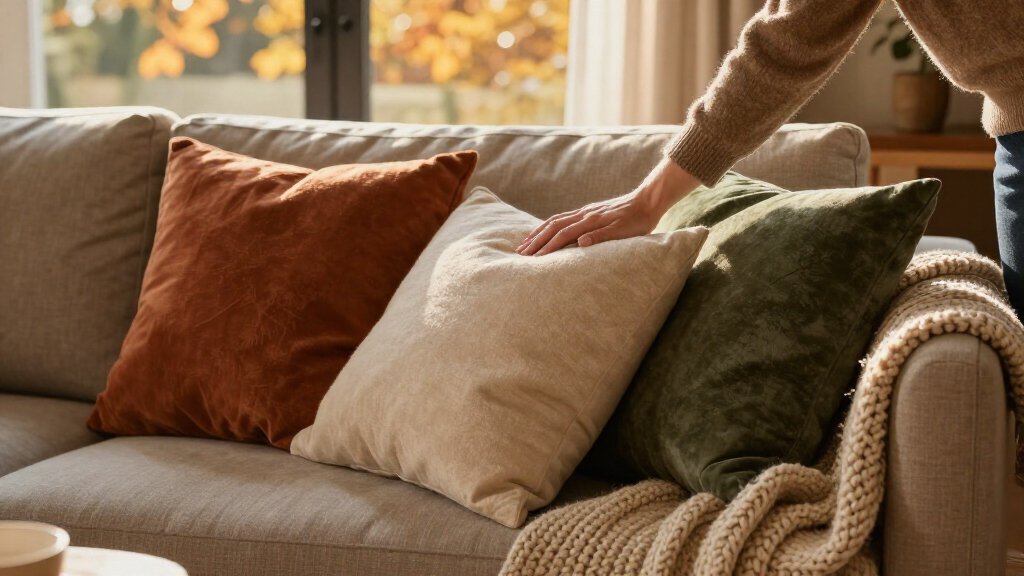
The look often starts with an oversized, deep-seated sofa with substantial arms and generous filling, according to Los Angeles- and Minnesota-based designer Julia Newman. But designers quoted in the report say the idea is broader than one piece of furniture: cushcore aims to make a room feel polished while still inviting people to relax and use it.
Tracy Morris, an interior designer in McLean, Virginia, advises balancing a substantial sofa with proportion and restraint. A large couch should not overwhelm the room, she says, and a smaller home can borrow the look with a well-stuffed armchair. Morris also recommends durable upholstery that does not require constant attention; velvet is one option, including washable versions from Perennials and Osborne & Little.
HollandGreen designer Tori Young suggests limiting a room’s palette to about three colors and building richness through textures such as velvet, linen and wool rather than many competing prints. Warm wood can keep a room from feeling too upholstered. Other ideas in the report include a rug with a substantial pile, layered lighting, warm-toned 2700K bulbs and an upholstered or tufted ottoman.
Comfort Without Overfilling the Room
The advice frames cushcore as a way to make rooms feel welcoming without sacrificing an intentional appearance. For readers considering a seasonal refresh, the report points to small changes as well as new furniture: an ottoman, a textured rug, warmer lighting or a more tactile mix of fabrics can shift a room’s feel.
The emphasis on scale and durable materials also addresses practical concerns. A large sofa can dominate a small living room, while delicate upholstery may be difficult to maintain in a frequently used space. The designers’ guidance is to choose pieces that suit the room and the household, rather than treating softness or abundance as goals in themselves.
As an affiliate, we earn on qualifying purchases.
From Sleek Seating to Soft Shapes
Newman describes cushcore as a return to plump, overstuffed furniture after years of favoring sleek, low-slung sofas and midcentury-inspired seating. She compares the rounded, cushioned look with furniture popular in the 1990s, while arguing that comfort itself is not tied to a particular decade.
The designers also connect the style to a preference for homes that feel personal rather than perfectly staged. Young says people may look to their homes for comfort and calm during uncertain times. That is her interpretation of the mood behind the trend, not a measured finding about homeowners’ behavior.
“Inviting, comfortable environments never go out of style.”
— Julia Newman, interior designer
As an affiliate, we earn on qualifying purchases.
How Broad Is the Cushcore Trend?
The report does not establish how many households are adopting cushcore, whether furniture sales are changing, or whether the style is gaining popularity across the wider home-design market. “Taking over homes” is the headline’s characterization; the supplied reporting is based on designers’ descriptions and recommendations, not market data or a survey.
It is also unclear how long the label will remain in use or whether it will develop into a more specific design category. The designers describe a flexible approach to comfort, rather than a strict set of rules or a required shopping list.
As an affiliate, we earn on qualifying purchases.
Practical Choices for a Cozy Room
The source offers design suggestions rather than a scheduled industry milestone. Readers interested in the look can begin by considering their room’s size and existing furniture, then decide whether one change—such as a textured rug, warm lighting or upholstered ottoman—would deliver the desired effect without crowding the space.
Whether cushcore becomes a lasting design label or remains a seasonal description is not yet clear. Any assessment of broader adoption would require later reporting, such as consumer surveys, retailer data or additional evidence from designers and homeowners.
As an affiliate, we earn on qualifying purchases.
Key Questions
What does “cushcore” mean?
In the House Beautiful report, it describes a comfortable, polished decorating approach often associated with generously cushioned sofas, tactile fabrics and a lived-in feel.
Do you need to buy a new sofa to get the look?
No. The designers suggest using existing furniture and adding texture, warm wood, layered lighting or a plush ottoman. A generously stuffed armchair can also bring the look to a smaller space.
How can a room feel cozy without looking cluttered?
The designers recommend paying attention to scale and restraint, limiting the color palette and mixing soft fabrics with more tailored furniture or warm wood accents.
Is cushcore proven to be taking over homes this fall?
The supplied report does not include market data or survey results showing widespread adoption. It presents the term through designers’ comments and practical decorating advice.
Source: rss
Halloween Picks
halloween
As an affiliate, we earn on qualifying purchases.