
TL;DR

Get decor and gifts delivered free with Prime
- Fast, free delivery on millions of items
- Prime Video, Amazon Music and more included
- Member-only deals all year
A white noise machine with a clock can simplify your bedtime routine, but it might not replace dedicated devices if you want the best sound quality or advanced features. Your choice depends on your needs and space.
Imagine drifting off to sleep as the gentle hum of white noise fills the room, while a soft glow from your clock quietly keeps time. The question is: do you really need both devices, or can one do it all? Many modern bedroom gadgets now combine these functions, promising simplicity and space-saving benefits. But before you ditch your separate clock or sound machine, consider what truly matters for your sleep and room decor.
This guide will explain the differences, benefits, and tradeoffs of white noise machines and clocks—whether they’re separate or integrated. By the end, you’ll know exactly what to look for to create the perfect sleep setup for your nursery or bedroom.
White noise machines significantly improve sleep by masking disruptive sounds, especially in noisy environments.
A combined device saves space and simplifies bedtime routines but may sacrifice some sound quality or advanced features.
Separate devices often offer better sound richness or customization, ideal for sensitive sleepers or tech enthusiasts.
Smart features are increasingly common—look for app control, voice commands, and personalized sounds to enhance convenience.
Use volume and brightness controls to keep devices safe and sleep-friendly, especially in nurseries.
White Noise Machines with Clocks: Do You Need Both Devices?
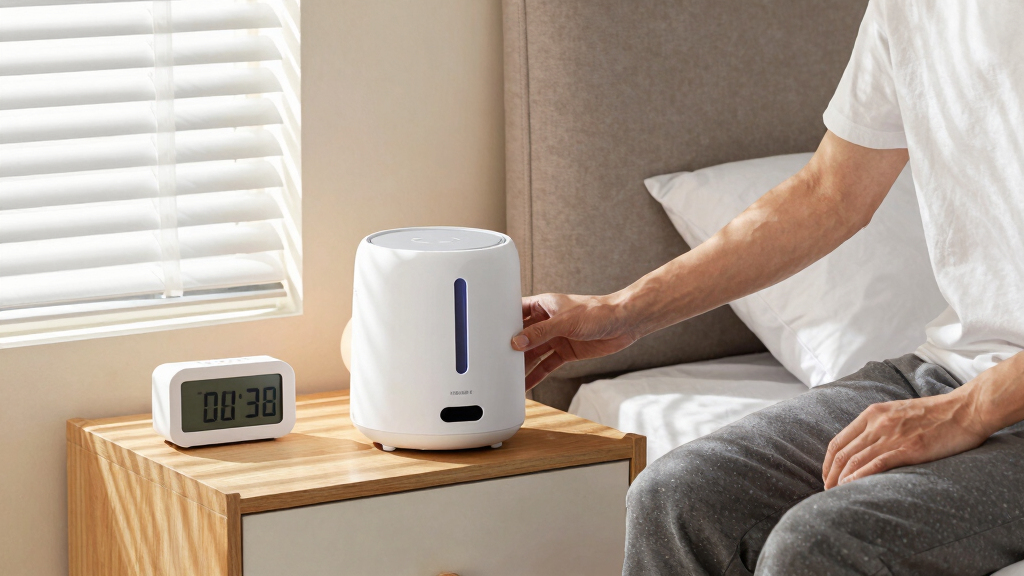
A combined device can quiet the room, keep time, and simplify bedtime—but dedicated devices still win when sound quality, alarm flexibility, or fine-grained control matters most.
Why each device earns its place
White noise creates a steady acoustic backdrop that masks traffic, snoring, doors, and household chatter. A clock anchors routines, alarms, medication schedules, and wake times. Combining them is useful—but it does not make their priorities identical.
White noise machine
Built for consistent playback, sound variety, timers, and precise volume control during sleep, focus, or relaxation.
Best for: noisy rooms and sensitive sleepersDedicated clock
Built for readable time, dependable alarms, adjustable displays, and schedule cues without relying on a phone.
Best for: waking, routines, and time managementCombined device
Pairs sound and clock functions in one compact unit, reducing bedside clutter and simplifying nightly operation.
Best for: nurseries, travel, and small bedroomsWhat do you gain—and give up?
The right format depends less on the number of features and more on which features must perform exceptionally well every night.
| Decision factor | Combined device | Separate devices | Phone app |
|---|---|---|---|
| Space efficiency | ✓Excellent | ✗More footprint | ✓No extra unit |
| Sound richness | ~Varies by model | ✓Usually strongest | ~Speaker-dependent |
| Alarm flexibility | ~Core options | ✓Specialized controls | ✓Highly flexible |
| Distraction-free | ✓Purpose-built | ✓Purpose-built | ✗Notifications tempt |
| Setup simplicity | ✓One control point | ~Two interfaces | ✓Quick to start |
| Upgrade flexibility | ✗Replace whole unit | ✓Upgrade independently | ~Software-dependent |
Combined or separate?
Start with the limitation you notice most: clutter, noise quality, display brightness, alarm capability, or setup complexity.
Space and simplicity win
An integrated model is compelling when you want a calmer bedside surface and a repeatable routine with fewer controls.
- The nursery or bedroom has limited surface space
- Basic sounds and alarms cover your needs
- You want fewer plugs, cables, and nightly steps
- A dimmable display and volume limiter are included
Performance matters most
Dedicated units offer more freedom to optimize sound and timekeeping independently—and replace either one later.
- You are highly sensitive to sound texture or looping
- You need richer natural sounds or precise volume steps
- You want advanced alarms, weather, or display options
- Different placements work best for sound and visibility
Match the setup to what you value
Illustrative feature emphasis
Conceptual comparison for a typical combined device; actual performance varies by model.
Control volume and light
Keep sound moderate: use the lowest level that masks disruption, place the unit away from the sleeper, and be especially cautious in nurseries.
Dim the display: look for full blackout, night mode, warm light, or automatic brightness control.
Features moving beyond basic noise
Apps + voice
Adjust sound, volume, timers, and alarms without leaving bed.
Custom sounds
Mix soundscapes or upload familiar audio for a tailored environment.
Sleep routines
Schedule dimming, playback, alarms, and night-light changes.
Wellness hub
Pair sleep tracking, weather, calendars, and relaxation programs.
A four-step buying filter
🔊 Identify noise
Traffic, snoring, voices, doors, or unpredictable household sounds?
⏰ Define timing
Simple time display, multiple alarms, schedules, or routine cues?
🌙 Check controls
Test minimum volume, display dimming, timers, and nighttime usability.
✓ Pick the format
Combine for convenience; separate for specialization and flexibility.
You may need both functions—not necessarily both devices.
A combined white noise machine and clock is worth it when it meets your sound, alarm, brightness, and safety requirements without compromise. Sensitive sleepers, feature enthusiasts, and families with specialized nursery needs may be happier with separate units.
Why a White Noise Machine Can Transform Sleep — And When You Still Need a Clock
White noise machines are like a lullaby for your brain—masking sudden sounds, creating a steady environment that signals your body it’s time to rest. They help people sleep through traffic, snoring, or household chatter. Imagine a parent trying to soothe a restless baby—white noise can be the difference between peace and endless wake-ups.
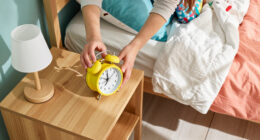
But a clock isn’t just for telling time. It sets your schedule, wakes you up, and helps children learn routines. If you’re waking up at the same time every day or need to manage medications, a clock remains essential. Combining both functions can seem perfect, but it’s not always a one-size-fits-all solution.
For example, a nursery with a combined device might eliminate clutter, but if the sound quality isn’t high or the display is dim, it might fall short of your needs. Knowing when to prioritize each device helps you choose wisely.
As an affiliate, we earn on qualifying purchases.
What to Expect from a White Noise Machine vs. a Clock
| Feature | White Noise Machine | Clock |
|---|---|---|
| Primary Function | Produces soothing sounds to mask noise | Displays time, alarms, sometimes additional info |
| Best For | Sleep, focus, relaxation | Time management, waking up, routines |
| Additional Features | Sound variety, timers, volume control | Alarms, night lights, weather updates |
| Design | Compact, often minimalistic | Varies from simple to decorative |
As an affiliate, we earn on qualifying purchases.
Should You Buy a Combined Device or Separate Ones? Pros and Cons
- Combined Devices save space, reduce clutter, and are easy to operate. They are especially advantageous in small nurseries or minimalist bedrooms where every inch counts. However, this convenience can come with tradeoffs—sometimes, the sound quality may be compromised or the device’s functionality may be limited compared to specialized units. For example, a sleek all-in-one device might be less capable of producing the rich, natural tones that a dedicated sound machine offers, which could impact sleep quality for sensitive sleepers. Additionally, integrated clocks often have bright displays that may be disruptive in dark environments, making it important to check for dimming or night mode options.
- Separate Devices often provide better sound quality, more customization, and advanced features tailored to specific needs. For instance, a dedicated sound machine might feature a wider range of natural sounds, higher fidelity, or more precise volume controls, which can be crucial for deep or sensitive sleep. Similarly, a high-end clock might include features like smart alarms, weather updates, or customizable display options that a combined device might lack. The tradeoff is that separate units can take up more space and may require more setup and maintenance, which might be inconvenient for some users.
Ultimately, the decision hinges on your priorities: if space and simplicity are paramount, a combined device is appealing. But if your sleep environment benefits from superior sound quality, customization, or specific features, investing in separate units can significantly enhance your sleep quality and routine. The choice impacts your sleep environment’s flexibility—separate units offer more tailored control, which can be especially important for sensitive sleepers or those with specific needs. Understanding these tradeoffs helps you create a sleep setup that aligns with your lifestyle and comfort preferences.
For example, some parents choose a high-quality, standalone sound machine for their baby’s nursery to ensure optimal sound fidelity and gentle volume control, while using a separate smart clock with customizable alarms and weather updates in their bedroom. This approach balances convenience with performance, ensuring each device excels at its primary purpose and contributes to a more restful sleep environment tailored to individual needs.
As an affiliate, we earn on qualifying purchases.
Smart Tech in White Noise Machines and Clocks — What’s New?
Smart devices now come with Bluetooth, Wi-Fi, and voice command compatibility. Imagine telling your smart speaker to turn on white noise or asking your clock for the weather. These features make managing your sleep environment effortless and more integrated into your daily routine. The convenience of voice control means you can adjust volume, switch sounds, or set alarms without getting out of bed, which is especially helpful during the night or for those with mobility issues.
Some white noise machines let you upload your favorite sounds or sync with sleep tracking apps, which can offer personalized insights into your sleep patterns and help optimize your environment. For example, if sleep tracking shows you tend to wake up during specific noise levels, you can automate your device to adjust accordingly. Meanwhile, clocks with smart displays can show weather, calendar events, or even act as night lights, creating a multi-functional hub that adapts to your lifestyle. These innovations turn basic devices into wellness hubs, providing not just sleep aids but also convenience, personalization, and integration with your digital life. Recognizing these features allows you to select devices that truly enhance your sleep experience and daily routine, making technology work for your comfort and health.
For tech-savvy users, choosing devices with app control, voice compatibility, and customizable settings is essential. These features provide a seamless, intuitive experience and ensure your devices evolve with your needs, offering long-term value and flexibility in your sleep environment.
smart white noise machine with app control
As an affiliate, we earn on qualifying purchases.
As an affiliate, we earn on qualifying purchases.
Is a White Noise Machine with a Clock Safe and Worth It?
Yes, generally. When used at moderate volume levels, white noise is safe and effective for sleep. The key is to understand the implications of volume and brightness settings—excessively loud sounds can cause temporary or permanent hearing issues, especially in children or sensitive sleepers. Maintaining volume within recommended limits (typically below 50 decibels) ensures safety while still providing effective masking of disruptive sounds. Devices with automatic volume adjustment or volume limiters help mitigate risks and support healthy sleep habits.
Devices with clocks are safe as long as the display isn’t too bright or disruptive. Bright screens can interfere with melatonin production, delaying sleep onset or reducing sleep quality. Many models include adjustable brightness, night modes, or dimming features that allow you to set a gentle glow, which minimizes sleep disruption and creates a conducive environment for rest. For nurseries, soft, dim displays are especially important to prevent overstimulation and promote calming sleep cues. Understanding and utilizing these adjustable features helps ensure your devices support your sleep health, rather than hinder it, making their use both safe and beneficial.
Think of it as a gentle river—calming, steady, and safe when you keep the volume and brightness in check. Proper use of volume limits and display settings, along with choosing quality devices with safety features, ensures these tools enhance your sleep environment without unintended side effects or risks.
How to Pick the Right Device for Your Nursery or Bedroom in 3 Easy Steps
- Assess your space and needs: Do you need help sleeping, waking up, or both? Do you want a sleek design or maximum features? Understanding your primary goal helps you prioritize features—whether it’s sound quality, display brightness, or smart capabilities—ensuring the device you choose aligns with your sleep habits and room setup. Recognizing your specific needs will guide you toward devices that either focus on pure sound masking or those that incorporate advanced functionalities, ultimately affecting your sleep quality and convenience.
- Set your budget and preferences: Decide between a budget-friendly model or a premium smart device. Consider whether you value natural sound variety, advanced alarms, or app control. Recognizing your preferences helps narrow options and ensures you get a device that offers the right performance and convenience. A higher investment often provides better sound fidelity, durability, and extra features, which can significantly impact your sleep environment and daily routine.
- Check for essential features: Ensure volume control, timer options, and dimmable displays are included. For nurseries, look for gentle sounds and soft lighting that won’t disturb sleep. Evaluating these features helps you avoid devices that might be too loud, too bright, or insufficiently customizable, making your bedtime routine smoother and more effective. Focusing on these details ensures your device supports restful sleep while fitting seamlessly into your environment.
Frequently Asked Questions
Can I use my phone as a white noise machine and clock?
Yes, many apps turn your phone into a white noise generator and clock. However, dedicated devices often provide better sound quality, less distraction, and longer-lasting operation. Plus, they tend to be quieter and more reliable for sleep routines.
Is it better to have a separate clock or a combined device in a nursery?
If your main goal is to help your baby sleep, a dedicated, gentle night light clock with soft lighting and simple alarms can be best. A combined device might work if space is limited, but prioritize soft displays and easy controls to avoid overstimulation.
What should I look for in a white noise machine for sensitive sleepers?
Look for models with a wide range of sound options, volume control, and timers. Natural sounds like rain or fan noise are calming, and features like a soft, dim display or night mode help prevent sleep disruption. Choosing a device with customizable sound levels and gentle lighting ensures it supports restful sleep without overstimulation.
Are smart clocks and noise machines safe for children?
Yes, when used responsibly. Keep volume at a gentle level and opt for devices with adjustable brightness. Avoid overly bright displays that could interfere with sleep. Smart features add convenience but should be used with child safety in mind, ensuring the device’s operation doesn’t create hazards or overstimulation.
Conclusion
Choosing between a white noise machine with a clock or separate devices boils down to what fits your space, budget, and sleep style. For many, a well-chosen combined device offers just enough calming sounds and time management in a sleek package. But if you crave top-tier sound quality or advanced features, separate units might serve you better.
Remember, a peaceful sleep environment starts with understanding what you really need—and matching that to the right tools. Your ideal setup is waiting to be discovered, quietly supporting restful nights and bright mornings.
Halloween Picks
halloween
As an affiliate, we earn on qualifying purchases.