TL;DR
Listen free for 30 days with Audible
Thousands of audiobooks and originals — cancel anytime.
Start your free trialAs an affiliate, we earn on qualifying purchases.
Hang a clock in a child’s room out of reach, typically above 5 feet, using secure mounting and child-safe materials. Choose designs that are easy to read and engaging, ensuring safety and learning go hand in hand.
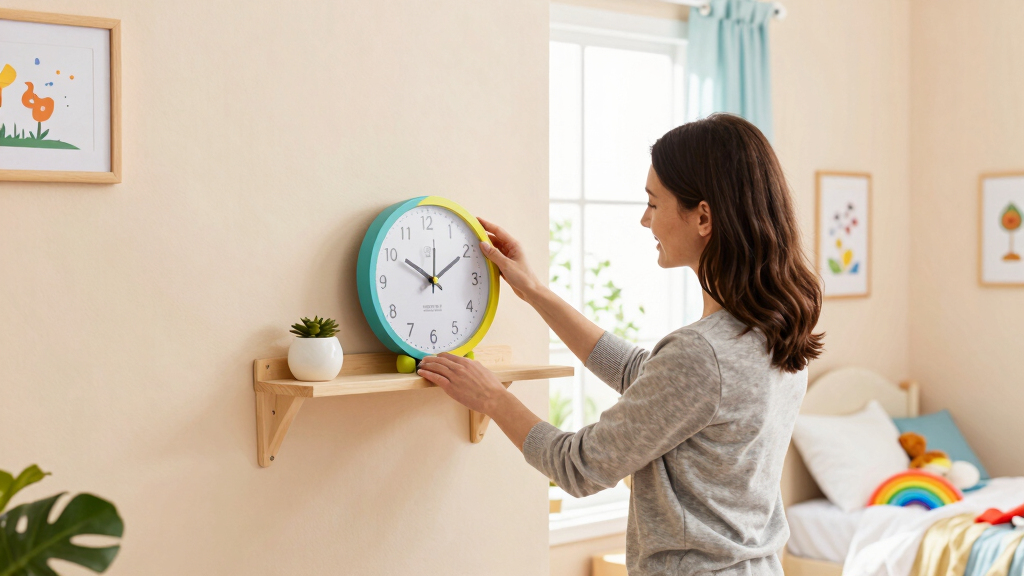
Imagine your child’s face lighting up when they see that colorful clock on the wall, their tiny fingers eager to grasp it. Now, picture that same clock falling during a lively play session — not so charming. The secret to combining fun, learning, and safety in their room starts with where you hang that clock.
In this guide, you’ll discover practical tips for placing clocks that are safe, accessible, and even inspiring for little minds. Whether you’re decorating a nursery or a toddler’s room, understanding the best height, materials, and design ensures the clock becomes a helpful friend, not a hazard.
Hang clocks out of reach, around 5-6 feet high, to prevent accidental pulling.
Securely mount clocks using sturdy wall anchors and check stability regularly.
Choose clocks made from non-toxic, shatterproof materials with silent movement.
Place clocks where children can see them without obstruction, like above the bed or near the door.
Use clocks with large, bright numbers or interactive features to promote learning safely.
Why Safety Comes First When Hanging a Clock in a Kids’ Room
Kids are curious explorers. That means your clock’s location must prevent any accidental injuries. The most important rule: hang the clock out of reach, usually above 5 feet (about 1.5 meters). This height is crucial because it reduces the chances of children pulling or grabbing the clock, which could lead to falls or choking hazards if the clock is not securely mounted. If the clock is within reach, a curious toddler might tug on it, causing the clock to fall and potentially cause injury or damage.
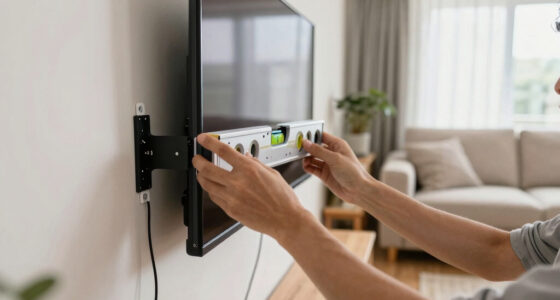
Secure mounting is key. Use sturdy wall anchors and hooks rated for the clock’s weight. A fall from even a small height can cause injuries, especially during active moments or sleep. Properly mounted clocks also prevent accidental dislodging during rough play, which is common as children grow and become more mobile.
Material safety matters too. Look for clocks made from non-toxic paints, shatterproof glass, and durable plastics. These features are essential because children often touch, bite, or pull at objects in their environment. Using safe materials minimizes the risk of poisoning, cuts, or choking if parts come loose or break.
For example, a toddler’s room at a height of 3 feet might seem accessible but is actually a hazard zone. Instead, hang the clock at an appropriate height for the child’s age—typically above their reach—while ensuring it’s visible from where they spend most of their time. This careful placement balances safety with functionality, helping children learn to tell time without risking injury.
As an affiliate, we earn on qualifying purchases.
Where’s the Best Spot to Hang a Kids’ Clock for Visibility and Safety?
In a kids’ room, the optimal spot for a clock is one that maximizes visibility for both children and adults while minimizing safety risks. The placement influences how easily children can see the time and how safe they are from potential hazards. For example, hanging a clock too low or behind furniture can make it difficult for children to see, reducing its educational value and usefulness. Conversely, placing a clock in a precarious position—like over a crib or near a window—raises safety concerns if it falls or if the child pulls on it.
Choosing a location at about 5-6 feet high strikes a good balance. This height ensures the clock is within the line of sight from most parts of the room, facilitating learning and routine time management. It also keeps the clock out of reach of small hands, reducing the risk of pulling or knocking it down. For example, mounting a colorful clock above the dresser or near the doorway makes it easy for children to see and for parents to check the time at a glance.
It’s important to consider the room layout. Avoid hanging clocks behind furniture, over cribs, or in corners where the clock might be obstructed or fall if bumped. Placing the clock on a sturdy, flat wall ensures stability and safety. Remember, the goal is to make the clock both accessible for viewing and safe from accidental dislodging—this thoughtful positioning supports both educational and safety objectives.
Ultimately, the best placement considers the child’s age, room design, and safety standards, ensuring the clock serves as a helpful, safe addition rather than a hazard.
As an affiliate, we earn on qualifying purchases.
How to Secure a Clock to Keep It Safe and Stable
Securing a clock isn’t just about hanging it on a nail; it’s about ensuring it remains firmly attached during active play, accidental bumps, or even curious attempts to explore. The risks of a loosely mounted clock include falls, which can cause injuries or damage, especially in a room where children are moving around energetically. Using heavy-duty wall anchors and sturdy hooks rated for the clock’s weight is essential for long-term safety.
To ensure maximum stability, follow these detailed steps:
- Mark the exact spot where the clock will hang, considering the desired height and visibility.
- Choose an appropriate wall anchor based on your wall type—drywall, plaster, or brick. Using the wrong anchors can compromise safety, so select ones rated for the weight of your clock.
- Install the anchor securely, following manufacturer instructions, ensuring it’s flush with the wall surface.
- Attach a strong hook or mounting bracket to the back of the clock, making sure it can hold the weight without bending or loosening.
- Hang the clock on the mounted hook or bracket, then gently tug to test stability. If it wobbles or feels loose, recheck the installation or consider replacing the hardware.
For example, a wooden clock with a metal hook requires a sturdy wall anchor to prevent it from falling if a curious child pulls or bumps into it. Regularly inspecting the mounting hardware and tightness is crucial, especially after room reorganization or energetic play sessions, to maintain safety over time.
Remember, a securely mounted clock not only protects your child but also preserves the room’s decor and functionality.
As an affiliate, we earn on qualifying purchases.
Choosing Child-Safe Clocks That Are Easy to Read and Fun
Not all clocks are suitable for a kids’ room. The best options combine safety, visual appeal, and educational value. Large, bold numbers and bright colors help children recognize and learn to tell time, while engaging designs stimulate interest and make the room lively. Selecting clocks made from non-toxic, durable materials ensures they withstand energetic play and accidental bumps without breaking or causing harm.
Modern kid-friendly clocks include:
- Clocks with large, easy-to-read numbers— ideal for early learners, fostering independence and confidence in reading time.
- Digital clocks with bright, clear displays— useful for quick glances, especially during routines or sleepovers.
- Interactive clocks with movable hands or color-coded segments— excellent tools for teaching hours, minutes, and concepts like half-past or quarter-to.
- Clocks made from shatterproof plastic with soft edges— safer during energetic activities and less likely to cause injury if bumped or dropped.
Imagine a clock with a smiling face and big, colorful numbers placed at a height where your toddler can see it from the crib. Such designs make learning engaging and safe, helping children associate time with fun while avoiding hazards associated with fragile or hazardous materials.
silent movement wall clock for kids
As an affiliate, we earn on qualifying purchases.
As an affiliate, we earn on qualifying purchases.
What Features Make a Clock Safe and Suitable for a Kid’s Room?
Choosing a safe clock involves understanding features that minimize risks and maximize usability. According to the American Academy of Pediatrics, avoid clocks with small, loose parts, cords, or loud ticking that could disturb sleep or cause choking hazards. Instead, focus on features that promote safety and comfort.
Key safety features include:
- **Non-toxic, lead-free paints** — to prevent harmful chemical exposure if children touch or mouthed the clock.
- **Shatterproof glass or plastic covers** — to prevent sharp shards in case of breakage, reducing injury risk.
- **Silent or sweep-second movement** — eliminates distracting ticking sounds that can disturb sleep or concentration.
- **Large, high-contrast numbers** — enhance readability for young eyes and reduce eye strain, supporting early learning.
For example, a digital clock with a soft glow and silent operation provides a calming presence in the nursery, avoiding sleep disruptions and ensuring safety from sharp or moving parts.
How to Teach Your Child to Read the Clock Safely
Teaching your child to tell time is a rewarding process that combines visual learning with safety. Use clocks with large, clear numbers and movable hands, which allow children to physically manipulate the clock, reinforcing their understanding. Always supervise to ensure they handle the clock gently and correctly.
Follow these steps to teach safely:
- Show your child the clock and point to the hour hand. Explain its purpose and how it indicates the current hour.
- Slowly move the hour hand and ask them to identify the displayed hour, encouraging interaction and observation.
- Repeat with the minute hand, explaining how it shows minutes and how to read it accurately.
- Use visual cues like color-coded segments or pictures to simplify the concepts of quarter past, half past, etc., making learning intuitive.
- Practice daily, gradually introducing more complex concepts, always emphasizing gentle handling and safety during interactions.
Imagine a clock with a friendly face and bright colors, which makes learning fun while also being sturdy and safe for little hands. This approach keeps the child engaged and reduces the risk of accidental damage or injury, fostering a safe learning environment.
Frequently Asked Questions
At what height should I hang a clock in my child’s room?
The safest height is generally above 5 feet (around 1.5 meters), out of reach of little hands but still visible for adults and older children. Adjust based on your child’s age and room layout.
Are digital clocks safer than analog clocks?
Digital clocks with large, clear displays are often safer because they have no moving parts or loose components. Choose models with shatterproof screens and non-toxic finishes for added safety.
What features should I look for in a child’s clock?
Opt for clocks with large, high-contrast numbers, silent movement, non-toxic paints, shatterproof covers, and fun, engaging designs to make learning safe and enjoyable.
How can I ensure the clock is securely mounted?
Use appropriate wall anchors rated for the clock’s weight, install on sturdy walls, and check the mounting regularly. Gently tug to confirm stability after installation.
Can I hang a clock above a crib or bed?
It’s safer to avoid directly hanging clocks above cribs or beds. Falling clocks can cause injury, so place clocks nearby but out of direct fall zones.
Conclusion
Striking the right balance between safety and function makes all the difference in a child’s room. A well-placed, securely mounted clock can become a helpful, cheerful part of their daily routine — without risking a fall or mishap.
Remember, the goal is a space that’s safe, engaging, and educational. With a little planning, your child’s clock will be a charming, worry-free addition to their room — a timeless piece of safety and learning wrapped into one.
Flea & tick season Picks
flea and tick prevention
As an affiliate, we earn on qualifying purchases.