TL;DR

Get decor and gifts delivered free with Prime
- Fast, free delivery on millions of items
- Prime Video, Amazon Music and more included
- Member-only deals all year
Star projectors can create magical bedtime scenes that soothe children, but their light, especially if bright or cycling through colors, may interfere with melatonin and sleep quality. Using timers, low brightness, and red light can help balance fun and restfulness.
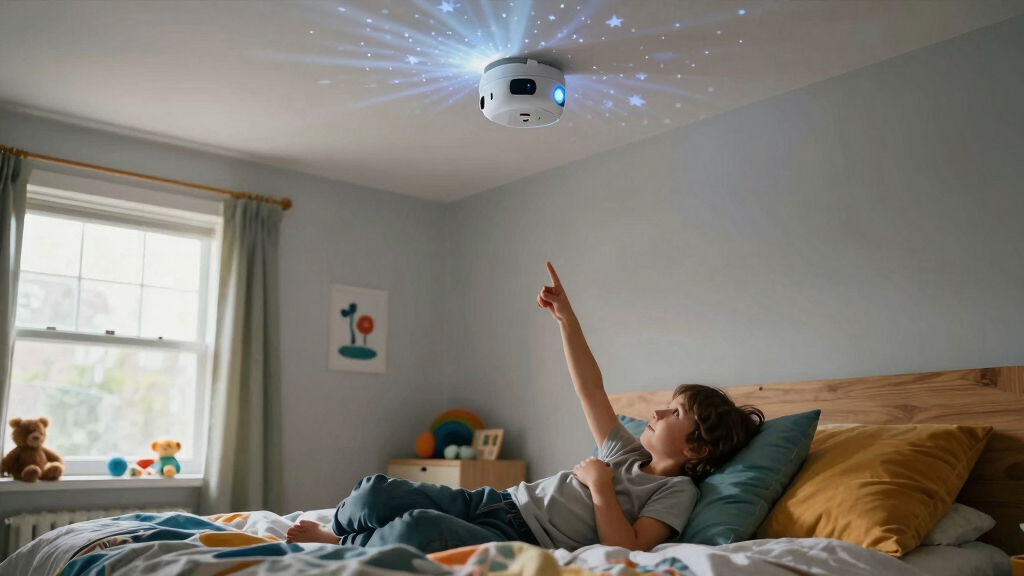
Imagine your child’s face lighting up when the ceiling fills with shimmering stars and swirling galaxies. It’s a scene designed to enchant and comfort. But beneath the magic lies a question: are these star projectors just fun decor, or do they secretly sabotage your child’s sleep?
Star projectors flood kids’ rooms with colored lights, moving patterns, and the promise of a peaceful bedtime. Yet, science shows that light—especially certain colors and brightness levels—can influence sleep hormones like melatonin. So, understanding how these gadgets work, and how to use them wisely, could be the difference between a soothing ritual and a sleep disruption.
Use timers to ensure star projectors turn off before your child falls asleep, preventing sleep disruption.
Opt for red or amber light modes, which have minimal impact on melatonin and sleep quality.
Avoid moving, flashing, or cycling lights during sleep time—static, dim projection is best.
Place the projector on the ceiling, not bedside, to reduce direct eye exposure and overstimulation.
Remember: under-2s should sleep in total darkness; star projectors are better suited for older children under careful conditions.
Star Projectors: Fun Feature or Sleep Disruptor?
They flood ceilings with shimmering galaxies and promise a peaceful bedtime. But light — its color, brightness, and motion — speaks directly to the hormone that makes kids sleep. Here is where the magic ends and the biology begins.
What Projected Light Does to a Sleeping Brain
Melatonin is the body’s “time to sleep” signal — and evening light suppresses it. Wavelength, brightness, and motion decide how hard a projector hits that signal. Kids’ larger pupils and clearer lenses transmit more light to the retina, so the effect lands harder on them than on you.
Illustrative scale based on established light-and-melatonin research. Brightness & duration amplify every hue.
Motion keeps brains alert
Rotating, cycling patterns are visually engaging — and engagement is the opposite of sleep onset. A fascinated child staring at the ceiling is a child not falling asleep.
Light during sleep fragments it
A projector left on all night is associated with lighter, more broken sleep and more frequent awakenings. Pediatric guidance consistently favors dark rooms.
Kids are more light-sensitive
Children’s eyes pass more light to the retina than adults’ eyes, so evening exposure suppresses their melatonin more easily — dimmer and warmer is the safe default.
Bedtime Hero or Sleep Saboteur?
The same gadget can anchor a calming routine or quietly dismantle it. The difference is which features you engage — and for how long.
A low-impact nightlight and routine anchor
- Eases fear of the dark — soft amber stars comfort anxious toddlers and preschoolers.
- Signals bedtime is near — switching it on 15 minutes before sleep builds a predictable wind-down cue.
- Red or amber modes mimic sunset — minimal melatonin impact, soothing without disruption.
- Better than the alternatives — a dim warm projection beats a bright hallway light for light-dependent kids.
An alertness machine pointed at your child
- Neon color-cycling overstimulates — rapid hue changes every few seconds create sensory overload.
- Moving patterns invite staring — mesmerizing visuals block the natural wind-down process.
- All-night use fragments sleep — and can build a dependency a child can’t sleep without.
- Cheap units add risk — flicker, heat, noisy motors, and uncertified lasers near curious eyes.
The Age-by-Age Guide
Not one-size-fits-all: what calms a 4-year-old can be wrong for a 1-year-old. Tailor the device to the developmental stage.
Infants
✗ Total Darkness OnlyNo lights, no projections, no extras in the sleep environment. Darkness supports safe sleep, regulates circadian rhythms, and avoids overstimulation of breathing and sleep patterns.
Toddlers & Preschoolers
~ Conditional YesA dim, warm-colored projector on a timer is usually fine and can ease bedtime anxiety. Avoid bright, flashing, or cycling modes; turn it off once your child is sleepy.
Older Kids
✓ Static & Dim WorksA static star scene with no cycling or bright colors can be part of a calming environment. Still watch individual sensitivities — what soothes one child can wire another.
Hero Settings vs. Disruptor Settings
Evaluate any model — and any mode — against this checklist before it earns a place in the bedroom.
| Feature | Sleep-Friendly ✓ | Sleep-Disrupting ✗ |
|---|---|---|
| Color Mode | ✓ Red, amber, or warm white only — minimal melatonin suppression | ✗ Blue/green phases or rainbow auto-cycling |
| Motion | ✓ Static projection — calm, not captivating | ✗ Rotating domes, flashing, moving nebula effects |
| Brightness | ✓ Dimmable, kept low — barely-there glow | ✗ Max brightness that lights up the whole room |
| Runtime | ✓ Timer / auto-shutoff before the child falls asleep | ✗ Left running all night — lighter, fragmented sleep |
| Placement | ✓ Ceiling-projected, out of direct eye line | ✗ Bedside unit facing the child — direct eye exposure |
| Hardware | ✓ Quiet motor, cool-running, safety-certified (laser class checked) | ~ Buzzing motors, heat output, uncertified lasers, reachable cords |
A Bedtime Routine That Keeps the Magic
Used mindfully, the projector becomes a sleep cue, not a sleep crutch — part of the wind-down, gone before deep sleep.
What Exactly Do Star Projectors Do to Your Kid’s Sleep?
Star projectors are devices that cast dreamy images of stars, planets, and nebulae onto ceilings and walls. They often cycle through colors and patterns, creating a mesmerizing visual. But this visual stimulation isn’t just pretty—it interacts with your child’s sleep process.
Research shows that light exposure in the evening can suppress melatonin—the hormone that signals it’s time to sleep. Blue and green lights are particularly potent melatonin suppressors. When kids stare at moving, colorful projections, their brains stay alert longer, making it harder to drift into restful sleep.
Understanding why this matters is crucial: melatonin is the body’s natural sleep hormone, and its suppression can delay sleep onset, reduce sleep quality, and cause fragmented sleep. The tradeoff is that while colorful projections can be captivating and help establish a bedtime routine, they can also interfere with the body’s readiness for sleep if not used carefully. For example, a toddler fixated on a rotating star dome with neon hues might stay awake an extra 20 minutes, fighting off sleepiness. Over time, this can lead to lighter, more fragmented sleep, especially if the projector stays on all night. The key is balancing visual appeal with an awareness of how different light features influence sleep hormones and recognizing that prolonged exposure or high brightness can undermine the calming effects these devices aim to provide.
As an affiliate, we earn on qualifying purchases.
When Star Projectors Help Make Bedtime Easier
Star projectors aren’t just troublemakers—they can be bedtime heroes, especially when used thoughtfully. Many parents find that a gentle, warm-colored projector helps ease anxiety and creates a cozy routine.
For example, a preschooler afraid of the dark may cling to a nightlight that projects soft amber stars. The calming visuals and predictable routine—turning on the projector 15 minutes before sleep—can signal to the brain that bedtime is near.
In some cases, a projector with a red or amber mode, which has minimal impact on melatonin, can act as a low-impact nightlight that soothes without disrupting sleep cycles. The warmth of these colors mimics natural sunset hues, which are less likely to interfere with melatonin production, making them suitable for calming bedtime routines. The tradeoff is that while these features support relaxation, they should still be used in moderation, with timers and dim settings, to prevent overexposure. Proper use turns a gadget into a sleep aid: set a timer, keep the brightness low, and turn it off once your child is sleepy. This way, the projector becomes part of a calming routine rather than a sleep crutch, fostering a healthy balance between visual comfort and sleep hygiene.
red light star projector for children
As an affiliate, we earn on qualifying purchases.
As an affiliate, we earn on qualifying purchases.
When Star Projectors Turn Into Sleep Disruptors
Not all star projectors are created equal, and many can unintentionally delay sleep. The main culprits? Bright, cycling, or blue-green lights that keep the brain alert.
For example, a popular model that rotates through neon colors every five seconds can overstimulate a child’s brain, making it harder to settle down. The rapid changes and high brightness levels create a sensory overload, which can delay the onset of sleep and fragment sleep cycles. Additionally, if left on all night, these dynamic projections can cause frequent awakenings and lighter sleep overall. Moving projections can be mesmerizing, but they also keep kids staring and alert instead of relaxing. The constant stimulation prevents the natural wind-down process. Moreover, all-night use, especially without a timer, can foster dependence—your child may refuse sleep without it. From a safety perspective, cheap units may flicker or emit heat, and some use lasers that could harm eyes if not properly certified. These features not only impact sleep quality but also pose safety risks. The tradeoff is that the more stimulating the projector, the less likely it is to promote restful sleep. The key is mindful use: limiting exposure, choosing calming features, and ensuring safe, certified products.
children's sleep-friendly star projector
As an affiliate, we earn on qualifying purchases.
As an affiliate, we earn on qualifying purchases.
Age-by-Age Guide: Is It Safe and Helpful at Different Stages?
Star projectors aren’t a one-size-fits-all tool. What’s fine for a 4-year-old might not suit a 1-year-old. Infants under 12 months should sleep in total darkness, with no lights or distractions, to reduce the risk of SIDS. The absence of light helps regulate their circadian rhythms and prevents overstimulation that could interfere with sleep and breathing patterns.
For toddlers and preschoolers, a dim, warm-colored projector with a timer is usually safe and can help with bedtime anxiety. Just avoid bright, flashing, or cycling lights that could overstimulate or disturb their sleep. These gentle visual cues can serve as a comforting signal, easing the transition from wakefulness to sleep. For older kids, the focus shifts to creating a calming environment. They might enjoy a static star scene with no need for cycling or bright colors. Always consider your child’s individual sensitivities and sleep patterns—what calms one child might overstimulate another. Tailoring the use of star projectors to developmental stage and personal preference can maximize benefits while minimizing risks.
As an affiliate, we earn on qualifying purchases.
Your Checklist for Safe, Smart Use of Star Projectors
Here’s what to look for when choosing and using a star projector:
- Timer/auto-shutoff: The most essential feature to prevent all-night exposure.
- Low brightness: Keep the light dim to avoid overstimulation.
- Warm colors only: Red, amber, or soft white minimize melatonin suppression.
- Static mode: Avoid moving or flashing lights during sleep time.
- Quiet motor: No loud buzzing or humming that could wake your child.
- Placement: Ceiling projection is less direct and less intrusive than bedside units.
Use the projector during wind-down, then turn it off before your child falls asleep. Keep cords out of reach, and check for safety certifications if laser or heat-emitting models. Proper placement and features are crucial because they directly influence how much stimulation your child receives and whether the device supports or hampers sleep. A well-chosen projector used with mindfulness can promote relaxation, while neglecting safety and usage guidelines can lead to overstimulation and dependency.
What Sleep Experts Say About Star Projectors
Leading pediatric sleep advice emphasizes a dark, cool, quiet sleep environment. The American Academy of Pediatrics recommends avoiding ambient light in infant sleep spaces because even small amounts of light can disrupt sleep cycles and increase SIDS risk. For older children, the guidance is less strict but still favors darkness for optimal sleep quality. Experts note that exposure to blue or cycling lights in the evening can delay sleep onset, fragment sleep, and impair overall sleep quality. The tradeoff is that, when used appropriately—limiting exposure duration, opting for red or amber modes, and ensuring proper timing—star projectors can be incorporated into a calming routine without significant detriment. They’re not inherently harmful but require mindful, informed use to avoid undermining sleep health. In short, star projectors are tools; their impact depends on how, when, and which features you select, as well as adherence to safety and sleep hygiene principles.
Frequently Asked Questions
Are star projectors bad for babies’ sleep?
Yes, for infants under 12 months, the best advice is to keep their sleep environment dark and free of light distractions. Bright or moving lights can interfere with their developing sleep patterns and increase the risk of SIDS. For older babies, a dim, static, warm-colored projector used during wind-down can be okay, but always follow safety guidelines.
Should I leave the projector on all night?
No. Star projectors should be used during the bedtime routine and turned off once your child is asleep. Leaving them on all night can cause fragmented sleep and dependency, making it harder for your child to settle without the light.
What features are most important when buying a star projector?
Look for a timer or auto-shutoff, dimmable brightness, warm color modes (red or amber), static projection options, and a quiet motor. These features help create a calming environment without compromising sleep quality.
Can star projectors help children with fear of the dark?
They can, especially when used as part of a calming bedtime routine. Soft, static star scenes can provide comfort and reassurance. Just ensure the projector isn’t too bright or stimulating, and use it for short periods before sleep.
Are laser galaxy projectors safe for kids?
If certified as safe (Class 1 or 2 lasers), they are generally fine when used properly. Avoid staring directly into the laser lens, and keep the device out of reach to prevent direct eye exposure. Always choose reputable brands that meet safety standards.
Conclusion
Star projectors can turn bedtime into a magical moment or a sleep hurdle, depending on how you use them. The key lies in choosing features wisely, setting boundaries with timers, and understanding your child’s unique needs.
Imagine a starry ceiling that lulls your child to sleep peacefully, not one that keeps eyes wide and mind alert. With mindful use, you can enjoy the wonder without sacrificing restful nights.
Columbus Day / Indigenous Peoples' Day Picks
long weekend sales
As an affiliate, we earn on qualifying purchases.