TL;DR

Get decor and gifts delivered free with Prime
- Fast, free delivery on millions of items
- Prime Video, Amazon Music and more included
- Member-only deals all year
Home decorator and Ideal Home contributor Grace H has shared practical advice for making rooms feel more collected rather than buying matching furniture and accessories. Her suggestions include mixing furniture styles and metals, building a palette from a favourite cushion or artwork, and using colour-wheel combinations as a starting point rather than a strict rule.
Home decorator Grace H has published advice for escaping what she calls the “match-match” trap, recommending that people mix furniture, finishes and colours to create rooms that feel personal rather than bought as a coordinated set. In a contribution to Ideal Home’s Open House series, she offers low-cost ways to change a room without throwing out existing furnishings.
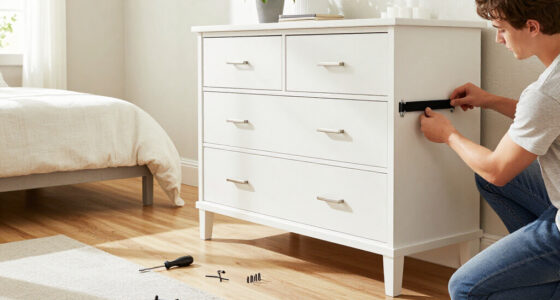
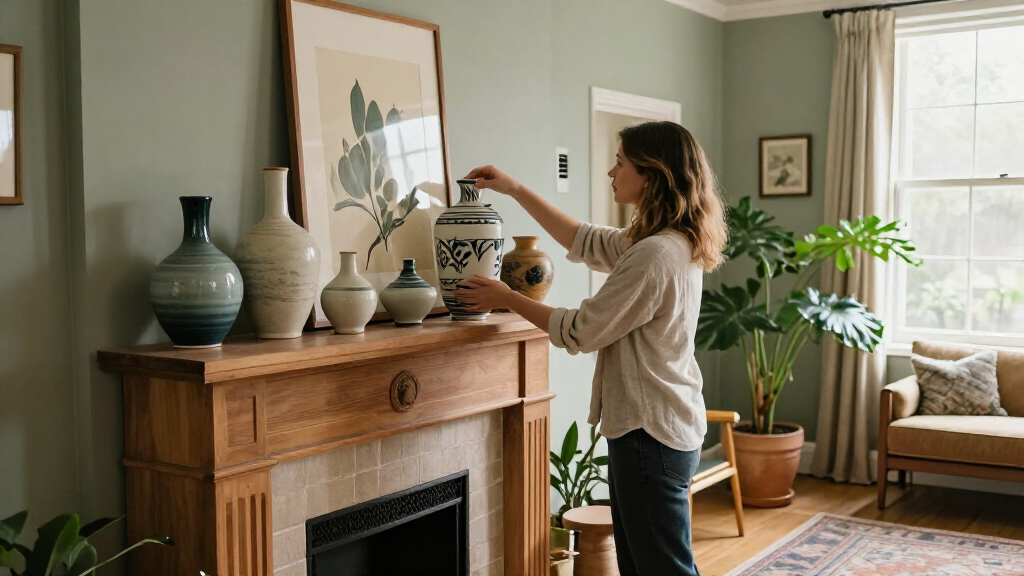
H’s starting point is to break up matching furniture sets rather than replace them. She suggests moving pieces between rooms, pairing a farmhouse dining table with more modern chairs, or using a chest of drawers with a different material or finish from the bedside tables. Mixing metals is also acceptable in her approach: brass with chrome, or bronze with nickel.
She also argues against limiting a room to two colours. A palette can grow from an existing colour scheme by bringing in additional shades and tones, rather than requiring every item to match precisely. H describes her own peach-and-mint office, where yellow blinds, a red sofa and a pink frame with colourful artwork sit alongside the original colours.
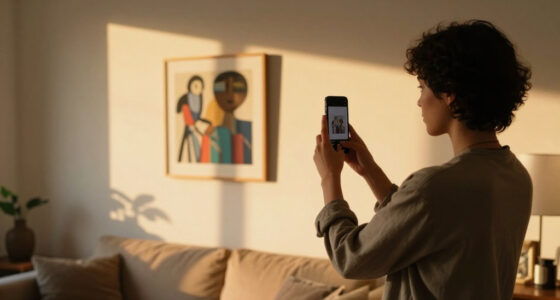
For people unsure where to begin, H suggests using the colour wheel or taking a cue from an item they already like. Combinations next to one another on the wheel, such as red, orange and yellow, can provide a harmonious starting point; opposite colours, such as green and red, offer more contrast. A cushion, rug or piece of artwork with several colours can also serve as a palette. H recommends picking out less prominent colours from the item and repeating them around the room.
A Lower-Waste Way to Refresh Rooms
The advice offers an alternative to treating home decorating as a shopping checklist. Instead of replacing a whole suite or buying accessories in identical finishes, small changes in placement, texture and colour can alter how a room feels. H specifically cautions readers not to throw everything out or list it for resale simply because pieces match.
That approach may matter to households managing limited budgets or trying to avoid unnecessary waste. It also frames a room’s coherence differently: objects need not be identical if colours or materials recur and connect them. These are decorating recommendations from H, not tested findings about costs, environmental outcomes or how all households will respond.
mixed metal decorative accessories
As an affiliate, we earn on qualifying purchases.
As an affiliate, we earn on qualifying purchases.
From Coordinated Sets to Personal Mixes
H presents her advice as a response to two competing decorating pressures: a traditional expectation that cushions, lampshades and accessories should match exactly, and current online trends that promote eclectic rooms alongside specific must-have looks. She says that contradiction can leave people unsure whether their rooms are “wrong.” The article is her guidance as a home decorator and content creator, not a report on a new industry rule or formal design standard.
Her practical method is to begin with what is already in the home. First, separate matching items by moving them into different rooms. Then add varied finishes, textures and tones. If colour feels difficult, use a colour-wheel relationship or let a favourite multicoloured object set the palette. H’s examples illustrate her own preferences; they are not presented as a single formula every reader must follow.
As an affiliate, we earn on qualifying purchases.
No One Palette Fits Every Home
The source is a personal decorating column, and it does not report research measuring whether mixed furnishings make a home feel more comfortable or improve its value. H’s examples, including her own room colours and the colour-wheel combinations, reflect her recommendations rather than universal requirements.
The article also does not specify a budget, a particular product range or a step-by-step plan for every room. How a colour combination looks will depend on the home, lighting and existing items; readers are being offered ideas to adapt, not a guarantee that any palette will work in every setting.
As an affiliate, we earn on qualifying purchases.
Start With One Existing Piece
H’s suggested next step is to choose a cushion, rug or artwork that already appeals to you and identify the colours within it. Try repeating one or two of its less prominent shades elsewhere, or move a matching furniture item into another room before making purchases. A person who wants more contrast can consult the colour wheel, while those who prefer a quieter effect can combine different tones from one colour family.
The source announces no follow-up, product launch or upcoming event. Its practical takeaway is to make changes gradually and judge the room as it develops, rather than treating exact matching as a requirement.
As an affiliate, we earn on qualifying purchases.
Key Questions
What does the “match-match” trap mean?
It describes coordinating furniture and accessories so closely that every item shares the same colour, finish or shop-bought set. Grace H recommends mixing pieces instead of treating exact matching as a rule.
How can I make matching furniture feel less like a set?
H suggests moving some pieces to another room, pairing furniture in different styles, and introducing varied materials or finishes. Her examples include a farmhouse table with modern chairs and mixed metal finishes.
How do I choose colours if I feel unsure?
Start with a multicoloured cushion, rug or artwork and use its colours as a guide. Another option is to use colours beside one another on the colour wheel for a more harmonious combination, or colours opposite each other for greater contrast.
Do all the colours in a room need to match?
No. H’s advice is that colours and objects can differ while still feeling related through repeated shades, tones, materials or textures. Her examples are personal guidance, not a fixed rule for every home.
Source: rss
Columbus Day / Indigenous Peoples' Day Picks
long weekend sales
As an affiliate, we earn on qualifying purchases.