TL;DR

Get decor and gifts delivered free with Prime
- Fast, free delivery on millions of items
- Prime Video, Amazon Music and more included
- Member-only deals all year
Child safety in nurseries depends on securing furniture with the right anchors, managing cords to prevent strangulation, and anchoring heavy furniture to stop tip-overs. Regular checks and smart solutions make a big difference.
Choose wall anchors rated for your wall and furniture weight, and install them carefully following manufacturer instructions.
Manage cords with clips, wraps, or shorteners to keep them out of children’s reach and avoid strangulation hazards.
Always secure tall or heavy furniture with anti-tip straps or brackets, and check their tightness regularly.
Regular inspections are essential — child-proofing isn’t a one-time project but an ongoing process.
Safety standards are evolving; stay informed about new products and best practices to keep your home safe.
How to Choose the Right Wall Anchors That Actually Work
Wall anchors are the backbone of safe furniture mounting. The right ones hold heavy dressers, bookshelves, or clocks securely against the wall. Choosing the appropriate anchor depends heavily on your wall material because different materials require different solutions. For drywall, toggle bolts or molly bolts are recommended because they distribute weight across a larger area, reducing the risk of pull-out. For masonry or brick walls, specialized anchors like sleeve anchors or concrete screws are necessary because standard drywall anchors won’t provide sufficient grip. Selecting the correct anchors not only ensures stability but also minimizes the risk of furniture detaching unexpectedly, which could cause injury or damage.
Proper installation is equally important. Drilling a pilot hole helps prevent wall damage and ensures the anchor fits securely. Tightening the screw firmly secures the anchor, but over-tightening can damage the wall or the anchor itself. Understanding the weight capacity of your chosen anchors is crucial; using anchors rated for your furniture’s weight adds an extra layer of safety. Remember, a well-chosen and properly installed anchor can hold up to 100 pounds or more, significantly reducing the risk of tip-overs during active play or accidental bumps.
Tradeoffs exist—some anchors may be easier to install but offer less holding power, or may not be suitable for certain wall types. Consulting with hardware store experts or reading manufacturer instructions helps you make informed choices, ensuring your furniture remains securely mounted over time and reducing the likelihood of hazards.
child safety wall anchors for furniture
As an affiliate, we earn on qualifying purchases.
As an affiliate, we earn on qualifying purchases.
Managing Cords: Keep Them Out of Little Hands and Choking Hazards
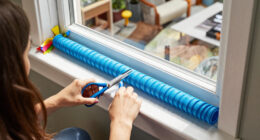
Cords from blinds, curtains, and electronics are a leading cause of strangulation injuries in children. The danger lies in the long, loose cords that can become wrapped around a child’s neck during play or exploration. When cords are left dangling or within reach, they pose a serious risk because children often don’t recognize the danger and may accidentally pull or entangle themselves. Managing cords effectively involves more than just tying them up; it requires understanding how their length and positioning can turn them into hazards. Using cord shorteners, clips, or wraps that bundle cords securely against the wall or furniture helps eliminate slack and keeps cords out of reach. This prevents children from grabbing or pulling on them, significantly reducing the risk of strangulation.
Imagine a child reaching for a window blind cord. If the cord is long and loose, it could easily wrap around their neck during a tug or playful pull. By installing cord cleats or using plastic wraps to keep cords tightly secured, you create a safe environment where cords are hidden or out of reach. Regularly inspecting cords for signs of wear, fraying, or looseness is essential because damaged cords can suddenly become more dangerous. Replacing frayed or damaged cords immediately prevents potential accidents. The goal is to keep all cords short, tight, and out of children’s reach—this simple step can save lives and prevent injuries.
Tradeoffs include the inconvenience of managing cords constantly and the aesthetic impact of cord management devices. However, prioritizing safety over aesthetics is critical when children are involved. Some parents opt for cordless window treatments altogether, removing the hazard entirely. Effective cord management transforms a potentially hazardous setup into a secure zone, giving parents peace of mind while maintaining a functional and attractive nursery environment.
anti-tip furniture straps for kids
As an affiliate, we earn on qualifying purchases.
As an affiliate, we earn on qualifying purchases.
The Simple Rules for Securing Heavy Furniture and Preventing Tip-Overs
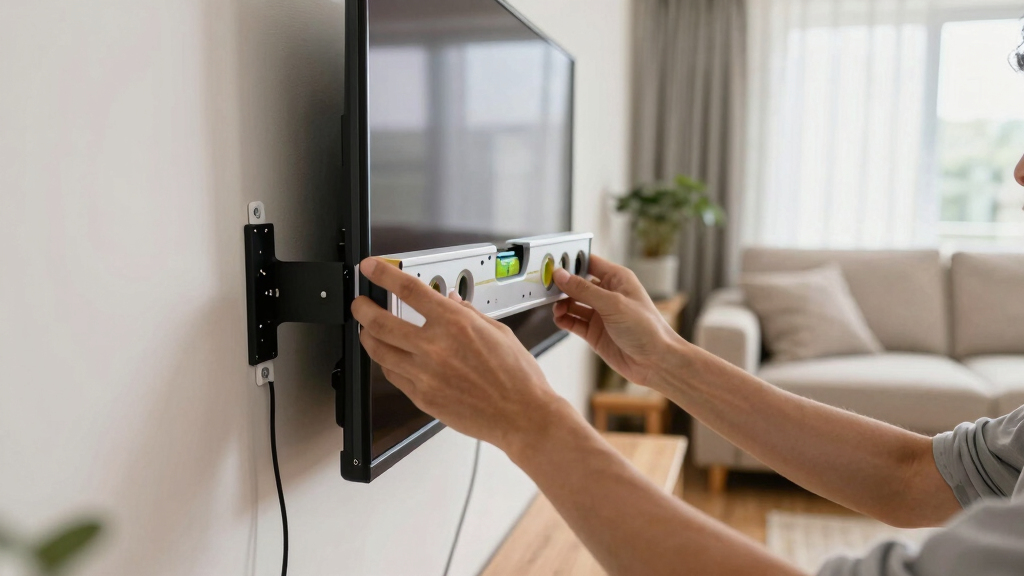
Heavy furniture like dressers, bookcases, and TVs are magnets for tip-overs, especially when children are curious or active around them. Securing these items to the wall is the most effective way to prevent accidents, but understanding why this is crucial helps reinforce the importance. Tip-overs can occur suddenly if a child leans on or pulls at furniture, and the resulting injuries can be severe, including head trauma or broken bones. According to safety guidelines, any furniture taller than 30 inches should be anchored because its center of gravity makes it susceptible to tipping. The process involves attaching anti-tip straps or brackets from the top of the furniture to the wall studs, which are the strongest part of your wall structure. This anchoring creates a stable, secure environment that can withstand active play and accidental bumps.
Proper installation is key. Straps or brackets must be tightly secured to both the furniture and the wall, with anchors rated for the furniture’s weight. Regular inspection is equally important since furniture can shift or loosen over time, especially if bumped or moved. Loose or damaged anchors compromise safety, so periodic checks and re-tightening are necessary. The tradeoff is that installing these anchors requires some effort and tools, but the safety benefits far outweigh the inconvenience. Ensuring your furniture is securely anchored protects your child from preventable injuries and gives you peace of mind in your home environment.
As an affiliate, we earn on qualifying purchases.
Comparison Table: Best Anchors and Safety Devices for Nursery Furniture
| Anchor Type | Best For | Ease of Installation | Maximum Weight |
|---|---|---|---|
| Toggle Bolts | Heavy drywall, hollow walls | Moderate | Up to 100 lbs |
| Masonry Anchors | Brick or concrete walls | Moderate | Up to 150 lbs |
| Anti-Tip Straps | Furniture, dressers, bookshelves | Easy | Varies, often 50-100 lbs |
| Wall Brackets | Light furniture, clocks | Easy | Up to 30 lbs |
As an affiliate, we earn on qualifying purchases.
Check, Adjust, Repeat: How to Keep Your Nursery Safe Over Time
Child-proofing isn’t a one-and-done task. Regular inspections are vital because furniture and safety measures can loosen or degrade over time, especially with active children or room changes. Each inspection should focus on ensuring that anchors remain tight, cords stay secure and out of reach, and furniture has not shifted or become unstable. For example, a dresser that was properly anchored during setup might loosen over months due to minor wall shifts or accidental bumps. A quick check and re-tightening can prevent a potential tip-over. Establishing a routine—such as inspecting every three to six months—helps maintain safety without becoming an overwhelming chore.
Imagine a parent who notices a loose strap during a routine check; tightening it takes only a few minutes but can prevent a serious accident. Keeping a safety checklist or setting reminders on your phone ensures these checks become part of your regular home maintenance. Small, consistent efforts can make a substantial difference in keeping your nursery safe as your child grows and becomes more active. Remember, ongoing vigilance is key to maintaining a secure environment for your little one.
Frequently Asked Questions
How do I know which wall anchors are best for my wall type?
Identify your wall material first — drywall, plaster, or brick. For drywall, toggle or molly bolts work well; for brick, use sleeve anchors. Consult a hardware expert if you’re unsure, and always choose anchors rated for the weight of your furniture.How often should I check the furniture anchors and cords?
Inspect every 3 to 6 months. Look for looseness, wear, or damage. After moving furniture or changes in the room, recheck all anchors and cords. Regular attention keeps safety measures effective over time.Are there any safety devices that alert me if furniture is unstable?
Yes, some smart safety sensors or alarms can notify you if furniture shifts or tips. These devices add an extra layer of protection, especially for taller or heavier pieces. They’re a helpful addition to traditional anchoring.Can I mount furniture myself, or should I hire a professional?
Simple wall mounting can often be a DIY project if you have the right tools and knowledge. For heavy or complex pieces, or if wall type is tricky, hiring a professional ensures proper installation and peace of mind.What are the biggest mistakes parents make with wall mounting and cords?
Using the wrong anchors, skipping regular checks, or leaving long cords dangling are common errors. These mistakes increase the risk of tip-overs or strangulation. Following safety guidelines and routine inspections prevent these hazards.Conclusion
Child-proofing your nursery isn’t just a quick fix — it’s a daily commitment to safety. Secure furniture, tame cords, and stay vigilant. With these simple steps, you turn a space full of potential hazards into a safe, cozy refuge for your little one. Safety isn’t complicated; it’s caring in action.Halloween Picks
halloween
As an affiliate, we earn on qualifying purchases.