TL;DR
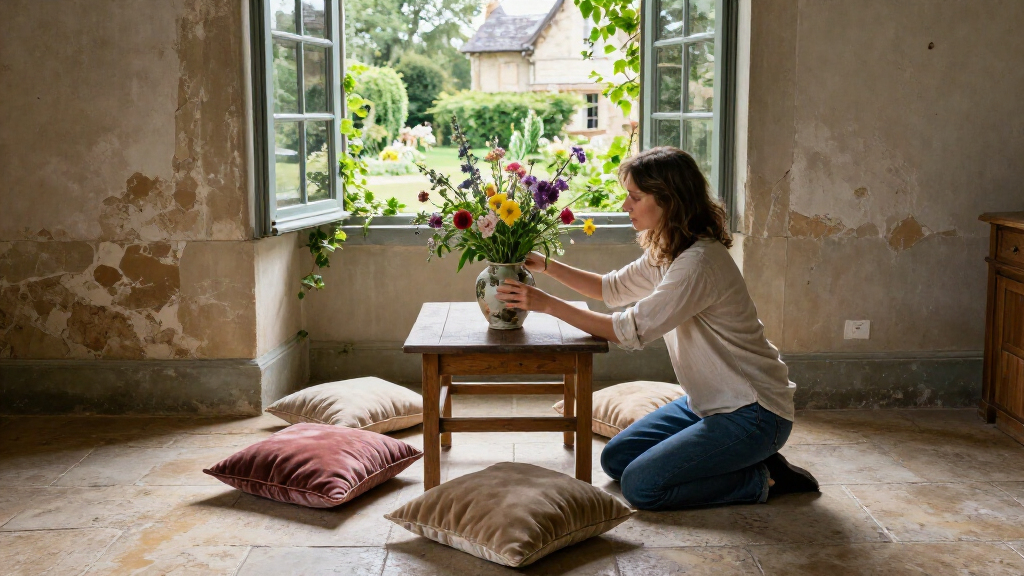
Juan Pablo Molyneux and his wife, Pilar, acquired the Château de Pouy-sur-Vannes in 2012 and renovated the deteriorated property in about 18 months. The château’s origins date to the 12th century, and parts of its exterior and attic are protected as French historical monuments.
Designer Juan Pablo Molyneux and his wife, Pilar, turned the deteriorated Château de Pouy-sur-Vannes into a private country home after buying it in 2012, according to a 2018 report in Veranda. The property, about 30 miles south of Paris, began as a fortress in the 12th century; its weathered facade and large attic are protected French historical monuments.

Get decor and gifts delivered free with Prime
- Fast, free delivery on millions of items
- Prime Video, Amazon Music and more included
- Member-only deals all year
The château had previously operated as a hotel and was in serious disrepair when the couple acquired it. Molyneux, an interior designer with projects in several countries, completed the renovation in about one and a half years, the magazine reported. The account describes the result as a lived-in residence, not a newly opened hotel or public attraction.
The restoration combined historic fabric with new decorative work. Molyneux retained the dining room’s original paneling, while commissioning additions such as a tower salon painted with hot-air balloons by artist Frédéric Monpoint. The rooms include period furniture, a sculpture gallery and custom furnishings. The magazine’s photographs and captions document the interiors; they do not provide an independent conservation assessment or a full account of the work.
Among the changes is a large indoor pool installed in a multi-windowed building that Molyneux said was likely once a 17th-century orangery. The couple also use the room for entertaining and as a spa. The grounds include two tennis courts, a formal garden and a moat, alongside animals including peacocks, waterfowl and rescued dogs, according to the report.
A Private Home in a Historic Fortress
The project shows how a historic French property can be adapted for contemporary domestic use while retaining prominent historic features. The protected facade and attic place limits on how parts of the building can be altered, although the Veranda report does not detail the approvals, conservation conditions or construction methods involved.
For readers interested in historic preservation and design, the château offers a specific example of restoration shaped by the owner’s use of the building: Molyneux described the pool as a space used throughout the year, while the rooms pair preserved architectural details with commissioned decoration. The report’s central subject is the couple’s private retreat, not a change in public access or a commercial reopening.
Products Worth Considering

EGO Power+ LV5000 Cordless Leaf Vacuum, Mulcher, and Blower

EGO POWER+ LB7654 Cordless Leaf Blower with 5.0Ah Battery

Makita 5007F 7-1/4-Inch Circular Saw
As an affiliate, we earn on qualifying purchases.
From Failed Sale to Restoration
Molyneux and Pilar had previously rented a wing at the Château du Marais in the Chevreuse Valley, according to the article. Molyneux said he first noticed Pouy-sur-Vannes in a magazine and contacted a broker, only to hear that another buyer had already purchased it. He said the earlier sale later fell through, allowing the couple to return to the negotiation.
They bought the property in 2012. Its history spans several centuries: the structure began as a fortress in the 12th century and accumulated later features over time. Veranda’s report, published in its September/October 2018 issue, presents the completed restoration through an interview with the couple and photographs by Alexandre Bailhache.
““I don’t have a style. I have a lifestyle.””
— Juan Pablo Molyneux, as quoted by Veranda
Conservation Details Not Reported
The 2018 feature does not specify the renovation budget, the precise scope of structural repairs, or which authorities reviewed and approved the work. It identifies the facade and attic as protected monuments but does not explain what legal restrictions applied or how the renovation met them.
The article also describes the former orangery’s history as a likelihood, not a confirmed identification. It does not establish whether the property has since changed hands, undergone further work or opened to visitors. Its account reflects the status and presentation reported in 2018.
No New Project Update Reported
The source material reports no announced next phase, public opening or follow-up restoration milestone. The renovation described was completed around 2014, following the couple’s purchase in 2012, and the article presents the château as their ongoing private retreat at the time of publication.
Any current update would require new reporting from the owners, local authorities or the property’s representatives. Until then, the documented development is the completed restoration described by Veranda, rather than a newly announced project.
Key Questions
Where is the Château de Pouy-sur-Vannes?
It is in Pouy-sur-Vannes, about 30 miles south of Paris, according to Veranda.
How old is the château?
The structure began as a fortress in the 12th century. The report says it acquired features from later centuries over roughly 800 years.
Who restored the property?
Designer Juan Pablo Molyneux and his wife, Pilar, bought it in 2012. Veranda reported that Molyneux completed the renovation in about one and a half years.
Is the château open to the public?
The report describes it as the couple’s home and does not say that it is open to visitors. Its current access status is not established by the 2018 article.
Which parts are protected historical monuments?
Veranda identifies the château’s weathered facade and attic as protected French historical monuments. The report does not detail the specific restrictions or approvals tied to that status.
Source: veranda.com